
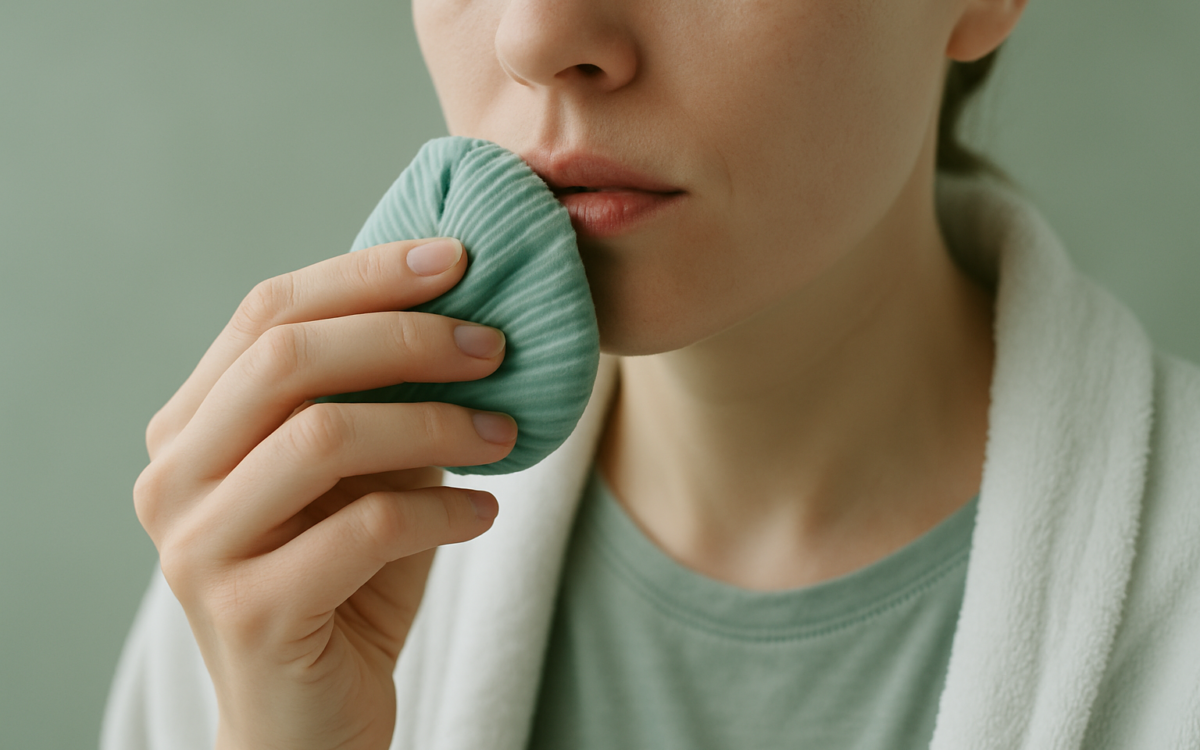
Fever blisters, also known as cold sores, can be uncomfortable and embarrassing. These small lesions usually appear on or around your lips and are caused by the herpes simplex virus (HSV). While there’s no cure for this viral infection, there are various ways to manage the symptoms, including using a cold compress. Applying a cold compress can provide relief by reducing inflammation and soothing discomfort.
Understanding Fever Blisters
Fever blisters typically appear as small, fluid-filled blisters and are often preceded by symptoms like tingling or itching. This is your body’s way of showing that the virus is becoming active. The herpes simplex virus is incredibly common, and many people carry it without symptoms. However, when triggered—by factors such as stress, illness, or sun exposure—it can lead to an outbreak.
How a Cold Compress Works
A cold compress is simply a cloth or material cooled down to alleviate swelling and discomfort. When applied to a fever blister, the cold temperature reduces blood flow to the area, minimizing swelling and pain. It can also help to numb the area, making it feel less sensitive.
Benefits of Using a Cold Compress
Using a cold compress has several benefits for those experiencing fever blisters:
- Reduces Swelling: Cold therapy can decrease the size of the blisters and the surrounding swelling, offering a more comfortable appearance.
- Soothes Pain: The numbing effect of the cold material alleviates discomfort, making it easier to go about your day.
- Decreases Inflammation: Cold compresses can help reduce inflammation in the affected area, which may promote faster healing.
- Provides Immediate Relief: The sensation of cold can provide quick, soothing relief, especially in the early stages of an outbreak.
Applying a Cold Compress: Step-by-Step
Using a cold compress is relatively simple and can be done at home with materials you likely already have. Here’s how to do it:
- Gather Materials: You can use a clean cloth or a small towel. For the cold element, you can use ice wrapped in the cloth, a bag of frozen vegetables, or a cold pack.
- Prepare the Compress: If you’re using ice, wrap it in the cloth to prevent direct contact with your skin, which can cause frostbite. If you’re using frozen vegetables, simply take them from the freezer.
- Application: Gently place the cold compress over the fever blister for 10-15 minutes at a time. Allow your skin to return to room temperature before reapplying.
- Frequency: You can use this method multiple times a day to manage symptoms, especially during the initial stages of the outbreak.
Other At-Home Remedies for Fever Blisters
In addition to using a cold compress, several other home remedies may help manage fever blisters:
- Topical Creams: Over-the-counter creams containing docosanol or benzyl alcohol can help relieve pain and reduce healing time.
- Aloe Vera: Known for its soothing properties, aloe vera gel can provide relief and may help speed up healing.
- Tea Bags: Applying a warm, used tea bag can provide both soothing relief and some antiviral properties.
- Oral Medications: If you frequently suffer from outbreaks, consult your doctor about antiviral medications that can help.
Best Practices for Managing Fever Blisters
Managing symptoms effectively is key to recovering from fever blisters. Here are some best practices:
- Avoid Picking: Resist the urge to pick at or pop the blisters, as this can lead to bacterial infections and worsen the outbreak.
- Hygiene: Maintain good hygiene by washing your hands frequently, especially after applying treatments to your fever blisters.
- Sun Protection: If sun exposure triggers your outbreaks, consider using a lip balm with SPF to protect your lips.
When to See a Doctor
While most fever blisters can be managed at home, there are times when you should consult a healthcare professional:
- If your fever blisters last more than two weeks without improvement.
- If you experience severe pain or swelling that does not respond to home treatments.
- If the blister appears infected (increasing pain, redness, warmth, or pus).
- If you often have severe outbreaks that disrupt your daily life.
Conclusion
Incorporating a cold compress into your routine when dealing with fever blisters can significantly ease discomfort and promote healing. Understanding how to apply this soothing method, alongside other supportive care measures, can empower you to manage your symptoms effectively. Remember, if your condition doesn’t improve or worsens, it’s always best to consult a healthcare professional for personalized advice. For more detailed information about fever blisters and their treatment options, consider resources from credible organizations like the CDC and Mayo Clinic.
