
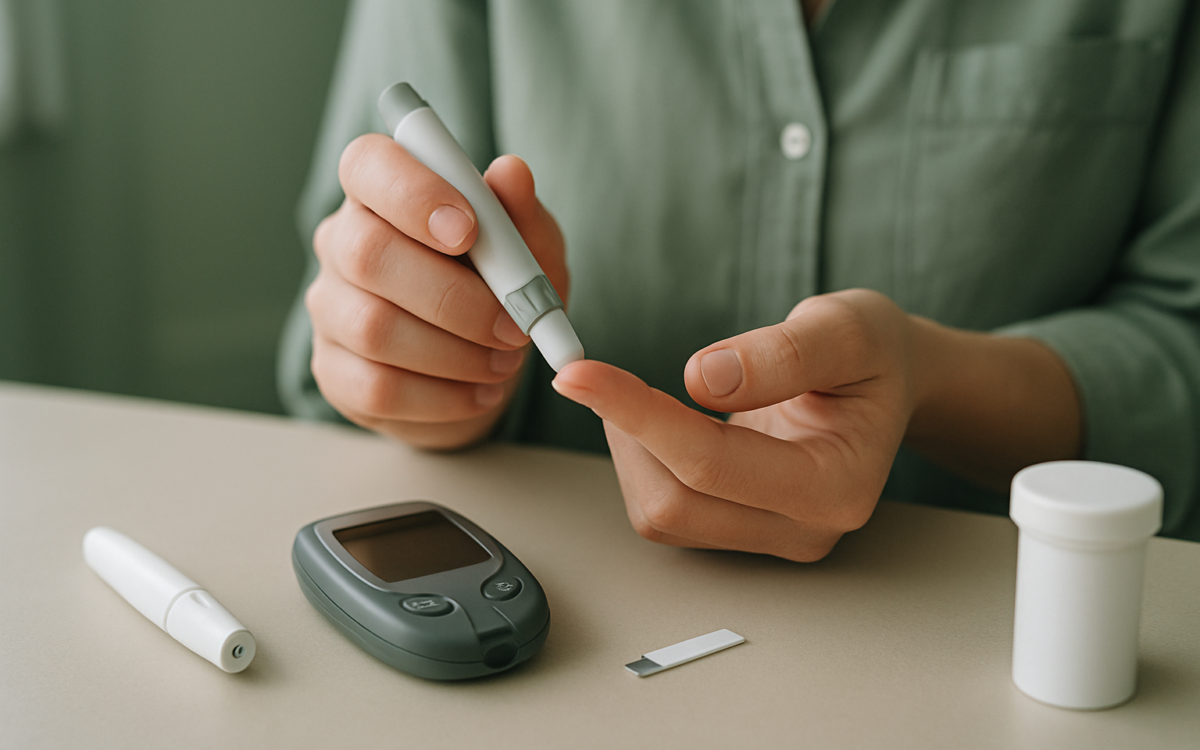
Diabetes affects millions of people around the world. Understanding the signs and symptoms can help you identify the disease early and seek appropriate medical attention. Both Type 1 and Type 2 diabetes have unique characteristics, but they also share common symptoms. Being aware of these signs is crucial for maintaining health and well-being.
What is Diabetes?
Diabetes is a chronic condition characterized by high levels of glucose in the blood. This occurs due to the body’s inability to produce enough insulin (in Type 1 diabetes) or the body’s resistance to insulin (in Type 2 diabetes). Insulin is a hormone that helps regulate blood sugar levels. With diabetes, uncontrolled blood sugar can lead to serious health complications if not managed properly. For more information about diabetes, visit the CDC’s diabetes basics page.
Early Signs of Diabetes
Recognizing the early signs of diabetes can be life-changing. Here are some common symptoms to watch for:
1. Increased Thirst
One of the most noticeable early signs of diabetes is excessive thirst. You may find yourself constantly needing to drink water or other fluids. This happens because high blood sugar levels pull fluid from your tissues, causing dehydration. If you feel like you’re never quenching your thirst, it could be a sign of diabetes.
2. Frequent Urination
Along with increased thirst, frequent urination is another common symptom. Elevated blood sugar levels lead to increased urine production as your kidneys work harder to filter the excess glucose. If you’re getting up multiple times during the night to urinate, it may be time to consult a healthcare provider.
3. Fatigue
Feeling unusually tired and fatigued can also indicate diabetes. When your body is unable to use glucose for energy due to insulin issues, it may leave you feeling drained. This can be particularly alarming if the fatigue is new or unexplained.
4. Blurred Vision
High blood sugar levels can cause the lenses of your eyes to swell, leading to blurred vision. If you find that your vision is frequently unclear or changes rapidly, this might be linked to fluctuating glucose levels. Early intervention can help prevent long-term damage to your eyesight.
5. Unexplained Weight Loss
Unexpected weight loss can be a sign of both Type 1 and Type 2 diabetes. While weight loss is usually associated with a healthy lifestyle, when it occurs without effort, it can signal that your body is not getting enough glucose to fuel your cells. Instead, your body may start burning fat and muscle for energy, leading to weight loss.
Other Symptoms that Might Occur
In addition to the earlier signs mentioned, there are other symptoms that may also point to diabetes:
- Sores that heal slowly: People with diabetes often have a harder time healing due to circulation issues and nerve damage.
- Increased hunger: When your body can’t use glucose effectively, it may signal for more food, leading to increased hunger.
- Dark patches on the skin: A condition called acanthosis nigricans can cause dark, velvety patches of skin, usually around the neck or armpits.
Risk Factors for Diabetes
Understanding your risk factors can also help you be alert for signs of diabetes. Some of the most common risk factors include:
- Family history of diabetes
- Being overweight or obese
- Physical inactivity
- Age (risk increases with age)
- High blood pressure or abnormal cholesterol levels
If you identify with any of these risk factors, it’s wise to keep an eye on your health and the symptoms mentioned.
When to See a Doctor
If you experience any combination of these symptoms, it’s important to talk to a healthcare provider. Early detection can significantly impact the management of diabetes and improve your overall quality of life. You should also consult a doctor if you have risk factors for diabetes but do not show symptoms, as regular check-ups can help in early identification.
Final Thoughts
Recognizing the signs of diabetes can be empowering. Awareness and early action are key to managing your health effectively. If you believe you are experiencing symptoms of diabetes, don’t hesitate to reach out to a healthcare provider. Knowledge is a vital tool in preventing and managing chronic conditions like diabetes.
For more detailed information on diabetes symptoms and prevention, you can visit reputable organizations such as the World Health Organization or the Mayo Clinic.
