
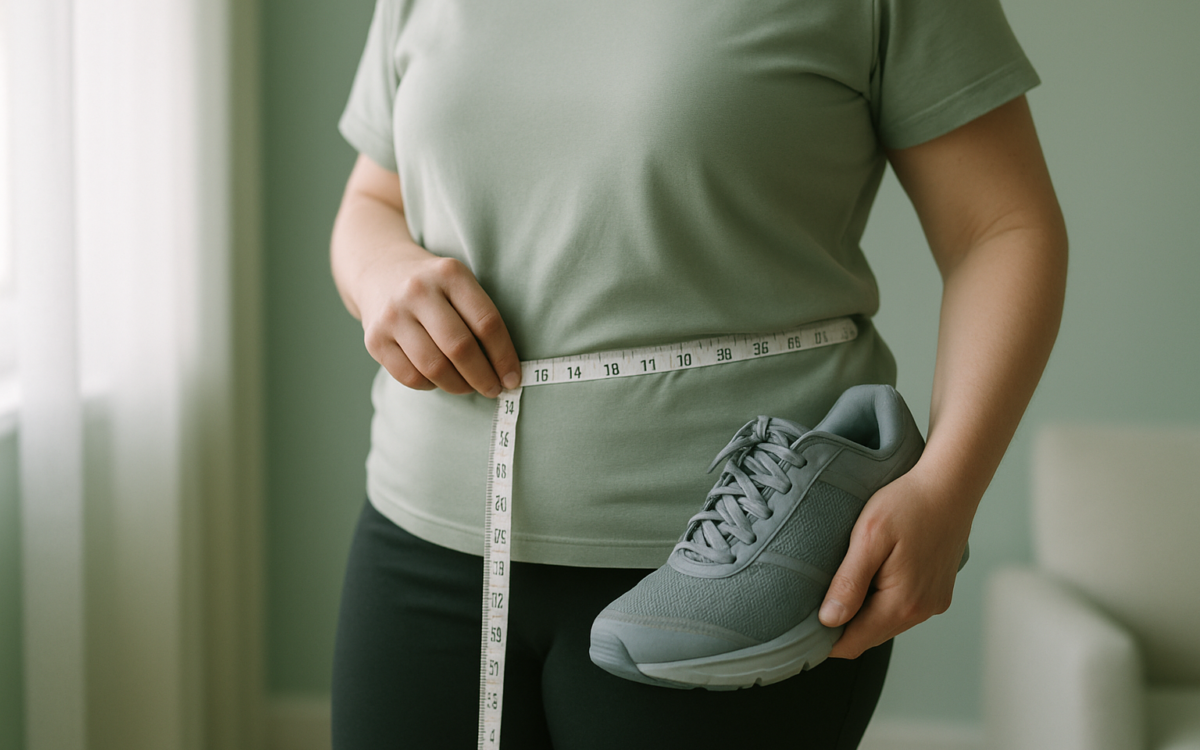
When it comes to weight loss, many people may find themselves overwhelmed by the latest diets and rigorous exercise routines. However, one of the simplest yet most effective ways to shed pounds is not through fancy workouts or complex meal plans, but rather through a straightforward walking program. Walking is an excellent form of exercise that is accessible to most, requires no special equipment, and can be easily incorporated into daily life. This article will guide you through creating a walking program that can help you meet your weight loss goals.
Understanding the Weight Loss Potential of Walking
Walking may seem like a leisurely activity, but it can be a powerful tool for weight loss. Depending on your weight and walking pace, you can burn a significant number of calories. According to the National Institutes of Health (NIH), a brisk walk can burn about 240-330 calories per hour. Regular sessions can contribute to a calorie deficit, which is crucial for losing weight.
Setting Realistic Goals
Before starting your walking program, it’s essential to set realistic goals. Weight loss typically occurs at a rate of 1-2 pounds per week. Therefore, aim to create a walking schedule that includes:
- Start with 15-30 minutes of walking most days of the week.
- Gradually increase the duration to 60 minutes as your fitness improves.
- Incorporate different walking routes to keep it interesting.
Setting incremental goals can enhance your motivation and keep you on track. Also, consider using a pedometer or smartphone app to track your steps, which can further engage you in your journey.
Walking Techniques for Maximum Results
To make the most of your walking sessions, here are some techniques you might find helpful:
1. Maintain Good Posture
Stand tall with your shoulders back and your head up. This will help you breathe more efficiently and engage your core muscles.
2. Use Your Arms
Incorporating arm movements can help burn more calories. Bend your elbows at a 90-degree angle and swing them as you walk to aid momentum.
3. Vary Your Pace
Incorporate bursts of speed, or practice interval walking. This involves alternating between a regular pace and a faster pace, contributing to higher calorie burn.
Making Walking Enjoyable
To stick with your walking program, make it enjoyable. Here are some ideas:
- Listen to music, podcasts, or audiobooks.
- Invite friends or family to join you.
- Explore different parks or trails to keep the scenery fresh.
By finding joy in your activities, you’ll be more inclined to make walking a regular part of your routine.
Taking Your Walking Program International
If you’re traveling or considering an international treatment perspective for weight management, walking can still play a vital role. Many countries boast beautiful landscapes and cultures that encourage outdoor activity. Depending on where you go, you may be able to join local walking groups or programs that focus on fitness. If you’re exploring health options abroad, consider resources like international patient services to find suitable programs and facilities that may offer guided walking or exercise initiatives tailored to weight loss. This can enhance both your travel experience and wellness journey.
Tracking Progress and Staying Motivated
As you begin your walking program, tracking your progress is crucial. Document your daily walks, including:
- Distance covered
- Time spent walking
- Calories burned
Reviewing this information can help you identify trends and boost your motivation. Consider setting rewards for yourself when you reach specific milestones, such as new walking shoes or a relaxing day out.
When to See a Doctor
While walking is generally safe for most people, it’s essential to consult your doctor if you experience any of the following:
- Severe chest pain or shortness of breath
- Dizziness or fainting during walks
- Persistent joint or muscle pain
These symptoms could indicate a more serious condition that warrants professional attention.
Conclusion
Incorporating a walking program into your daily routine can be an effective way to achieve weight loss while enjoying the journey. Whether you walk for 20 minutes at a time or take longer, brisk walks, staying consistent is vital. With the tips provided, you’ll find that walking can be both enjoyable and beneficial to your health. Start slow, stay motivated, and watch how those steps can lead you to a healthier lifestyle.
