
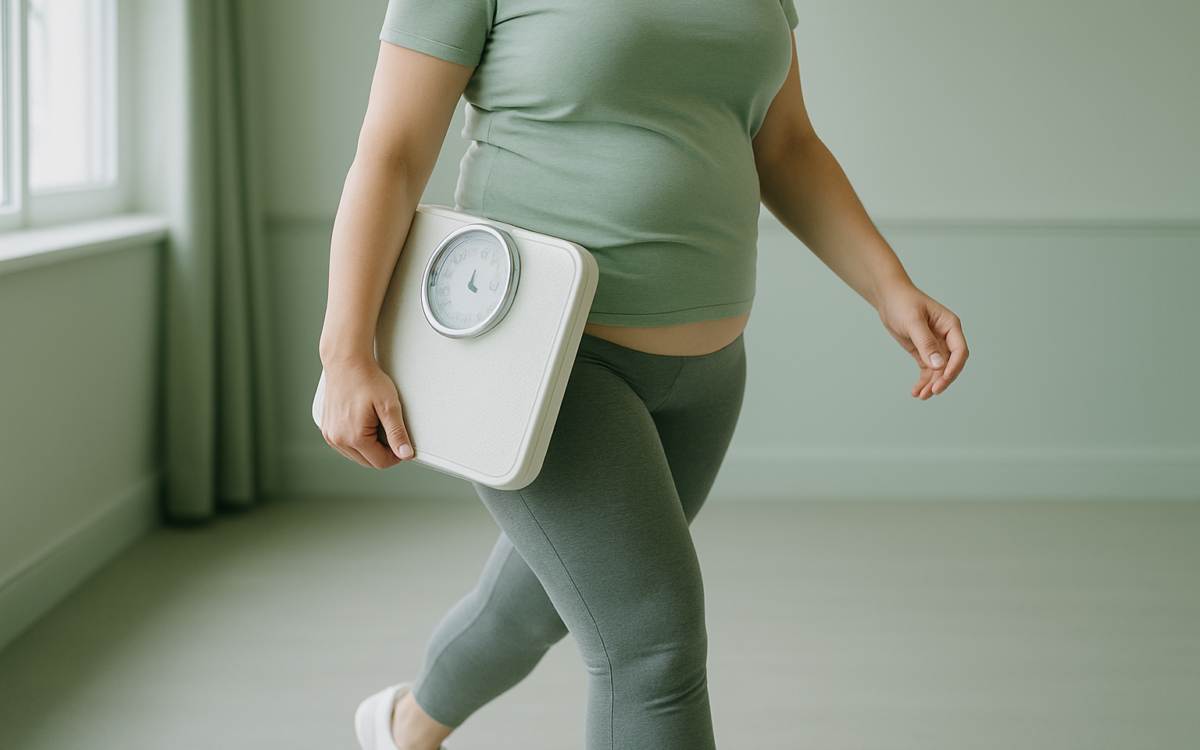
Many of us wish to lose weight, but finding the right exercise routine can be challenging. Fortunately, one of the easiest and most accessible ways to shed pounds is by walking. It’s a low-impact exercise that fits seamlessly into your daily life, whether you’re strolling through the park or pacing in your living room. Let’s explore how walking can help you lose weight and enhance your overall health.
Understanding the Basics of Weight Loss
To lose weight, you need to create a calorie deficit. This means burning more calories than you consume. Walking can contribute significantly to this process. On average, a person burns about 100 calories per mile walked. This number can vary based on factors such as weight, pace, and terrain.
How Walking Aids in Weight Loss
Walking is not just good for your waistline; it’s beneficial for your overall well-being. Here’s how it helps you lose weight:
- Increases Caloric Burn: The more you walk, the more calories you burn. Incorporating walking into your routine can help you reach the calorie deficit needed for weight loss.
- Improves Metabolism: Regular walking can boost your metabolism, leading to more efficient calorie burning even at rest.
- Enhances Mood and Motivation: Walking, especially in nature, can improve your mood and reduce stress, making it easier to stick to a weight loss plan.
- Easily Scalable: You can adjust the intensity and duration of your walks to fit your personal health goals and abilities.
Making Walking Part of Your Routine
Integrating walking into your daily routine can be fun and easy. Here are some tips:
- Set a Goal: Start with a practical goal, such as 30 minutes of walking most days of the week.
- Walk Where You Can: Choose to walk instead of driving short distances. Consider walking to work, school, or a nearby store.
- Mix it Up: Explore different walking routes to keep things interesting. Parks, walking trails, and urban settings can provide variety.
- Walk with Friends: Invite friends or family to join you. This makes walking more enjoyable and keeps you accountable.
Combining Walking with Other Healthy Habits
While walking is a great way to lose weight, combining it with other healthy habits can enhance your results. Here are some effective strategies:
- Eat a Balanced Diet: Focus on whole foods—fruits, vegetables, lean proteins, and whole grains. This can help you manage your calorie intake.
- Stay Hydrated: Drinking enough water is crucial for weight loss and overall health. It helps maintain energy levels during your walks.
- Get Quality Sleep: A lack of sleep can impact your metabolism and appetite. Aim for seven to nine hours of quality sleep each night.
- Consider International Options: If you’re considering traveling for health treatment, facilities like Acibadem International offer programs that include walking and fitness as part of a comprehensive approach.
How to Stay Motivated
Staying motivated to walk can sometimes be a challenge. Here are some effective tips to keep inspiration high:
- Track Your Progress: Use a fitness app or pedometer to log your walks. Seeing how far you’ve come can motivate you.
- Join a Community: Engage in local walking groups or online fitness forums. Sharing experiences with others can boost your motivation.
- Reward Yourself: Set milestones and reward yourself for achieving them. This could be a new pair of walking shoes or a relaxing day out.
When to See a Doctor
If you’re considering starting a walking routine, it’s generally safe for most people. However, it’s a good idea to consult a doctor if you:
- Have a chronic health condition, such as heart disease or diabetes.
- Experience pain or discomfort while walking.
- Have concerns about your weight or overall health.
Conclusion
Walking is a simple yet powerful tool for weight loss and enhancing your health. It requires no special equipment, can be done almost anywhere, and fits into most lifestyles. By making walking a regular part of your day and combining it with healthy eating and other habits, you can achieve your weight loss goals while enjoying the many benefits of this accessible exercise.
