
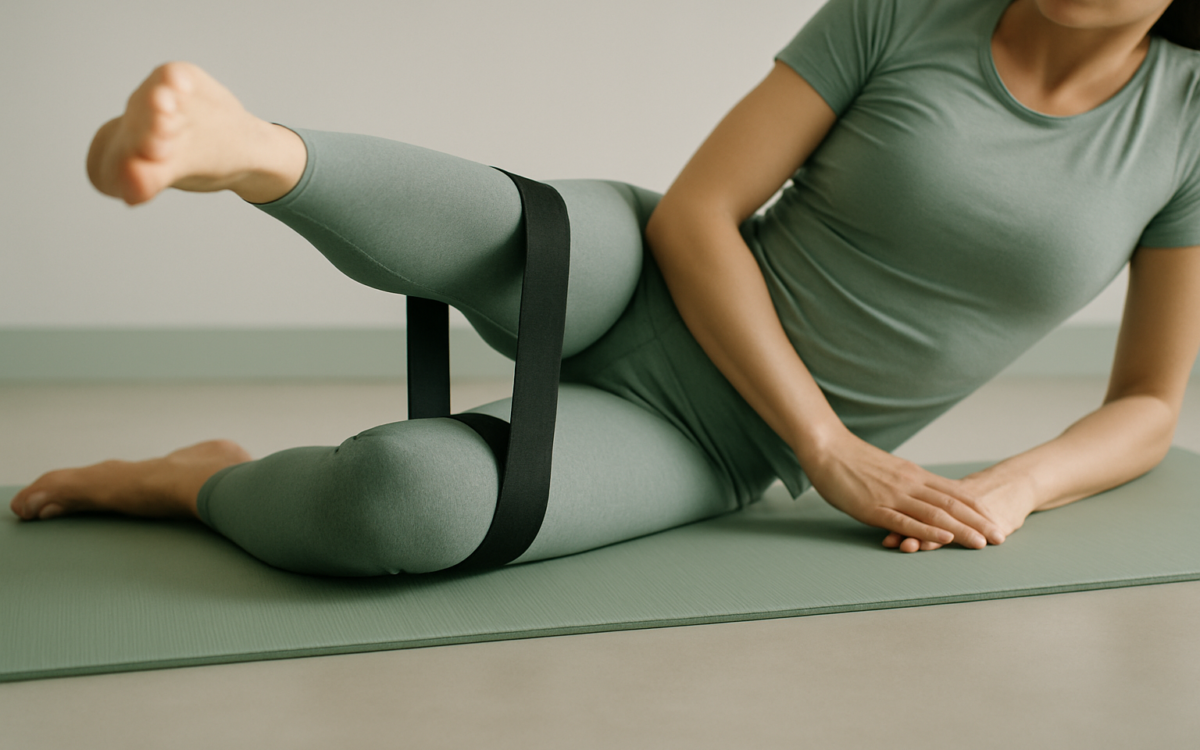
When it comes to fitness, we often focus on the bigger muscles or the ones we can see in the mirror. However, the lesser-known muscles, such as the adductors, play a crucial role in stabilizing our body, improving our athletic performance, and preventing injuries. Adductor exercises strengthen the inner thighs, which can enhance your overall lower body strength and provide better balance.
What Are Adductor Muscles?
The adductor muscles are a group of five muscles located on the inner thigh. Their primary function is to pull the legs together, contributing to movements like walking, running, and even squatting. Strengthening these muscles can help improve athletic performance, increase stability, and reduce the risk of injuries in the hips and knees. As these muscles often get overlooked in many fitness routines, incorporating specific adductor exercises can be highly beneficial.
The Benefits of Adductor Exercises
Engaging in targeted adductor exercises has several benefits:
- Improved Stability: Strong adductors contribute to better balance and stability while performing various activities.
- Injury Prevention: A well-conditioned adductor region can help prevent injuries related to the hips and knees by improving alignment and reducing strain.
- Enhanced Athletic Performance: Athletes often rely on strong adductor muscles for quick lateral movements, which can boost performance in sports.
- Balanced Musculature: Focusing on adductor exercises can prevent muscle imbalances that might lead to other issues.
Effective Adductor Exercises to Try
Here are some simple yet effective exercises to strengthen your adductor muscles:
1. Standing Side Leg Raises
This exercise is easy to incorporate into your routine and requires no special equipment.
- Stand tall with your feet hip-width apart.
- Shift your weight to your left leg and lift your right leg out to the side.
- Keep your leg straight and your toes pointed forward.
- Lower it back down and repeat for 10-15 reps before switching legs.
2. Side Lunges
Side lunges not only target the adductors but also engage your quads and glutes.
- Begin standing with your feet together.
- Step to the right, bending your right knee while keeping your left leg straight.
- Push yourself back to the starting position and repeat on the left side.
- Perform 10-12 repetitions on each side.
3. Adductor Machine
If you’re at the gym, consider using the adductor machine. This machine specifically targets the inner thigh muscles.
- Adjust the seat properly according to your height.
- Place your legs on the pads provided.
- Squeeze your legs together against the resistance and then slowly allow them to return to the starting position.
- Complete 10-15 reps per set.
4. Lying Side Leg Lifts
This exercise can be performed on a mat at home.
- Lie on your side with your legs stacked on top of each other.
- Raise your top leg while keeping it straight and hold for a moment before lowering it back down.
- Complete 10-15 reps on one side, then switch to the other.
5. Plank Leg Lifts
This variation of the plank will engage your core and adductor muscles simultaneously.
- Get into a plank position with your forearms on the ground.
- Lift one leg out to the side, keeping it straight.
- Hold for a moment before bringing it back down and switching sides.
- Repeat for 10-12 reps on each side.
How Often Should You Do Adductor Exercises?
Incorporating adductor exercises into your fitness routine is easy and can be done 2-3 times a week. Aim for 2-3 sets of each exercise, adjusting the number of repetitions based on your fitness level. Always start with a warm-up to prepare your muscles and reduce the risk of injury.
When to See a Doctor
If you experience persistent pain in your inner thigh, hip, or knee while performing adductor exercises, it may be time to consult a healthcare professional. Persistent pain could indicate an injury or underlying condition that requires attention. Using Mayo Clinic’s resources can help you understand when to seek medical advice.
Conclusion
Strengthening your adductor muscles can be an essential component of a well-rounded fitness regimen. Not only do these exercises help to build the inner thigh strength, but they also contribute to improved stability and athletic performance. Start incorporating some of these exercises into your routine, and don’t hesitate to consult a healthcare professional if you encounter any discomfort. Prioritizing your adductor muscles might just be the key to feeling stronger and more balanced!
