
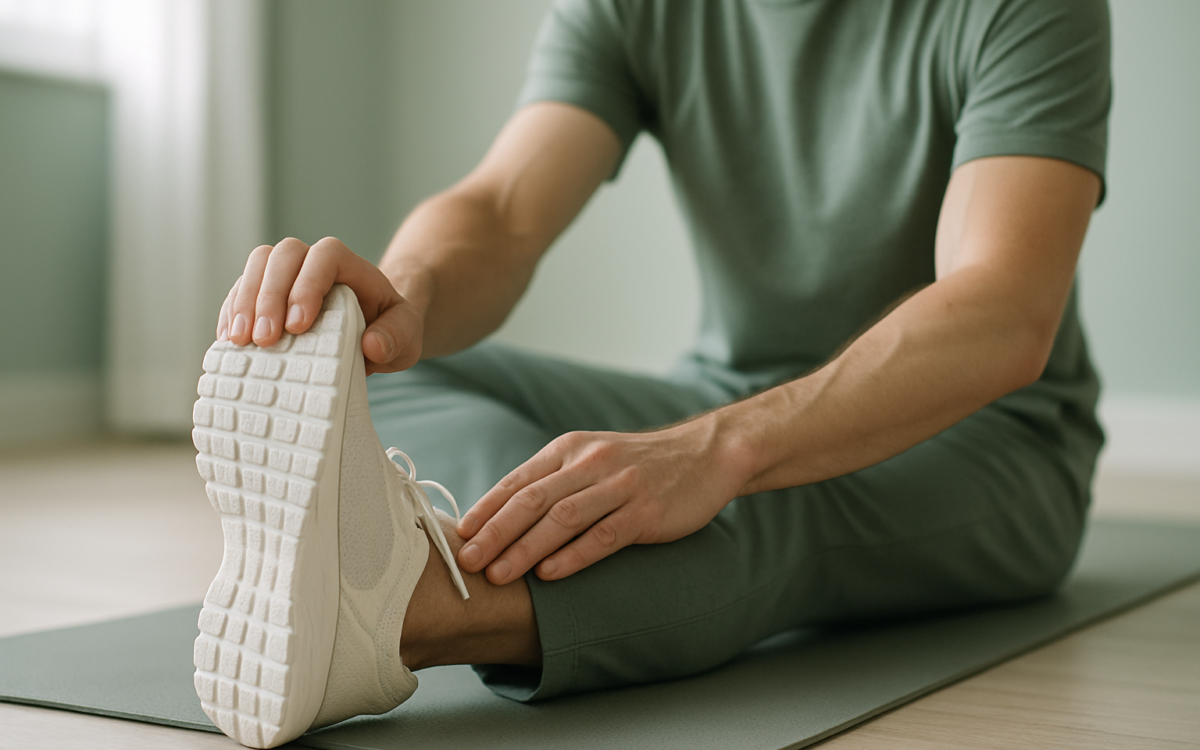
Stretching is a fundamental part of physical activity that many often overlook. It involves deliberately flexing or extending your muscles and tendons to improve flexibility, enhance performance, and prevent injuries. Yet, despite its simplicity, few individuals truly understand the nuances of stretching and how to incorporate it effectively into their routines. In this article, we’ll define stretching, discuss its benefits, explore different types, and provide guidance on best practices.
What is Stretching?
Stretching is the act of intentionally lengthening a muscle or group of muscles through various movements. The aim is often to reduce stiffness, increase range of motion, and improve overall flexibility. Stretching can be part of a warm-up before physical activities, as well as a cool-down afterward. It is essential to recognize that stretching is not a singular action but rather encompasses a wide variety of methods and techniques.
Benefits of Stretching
Stretching offers numerous benefits that can enhance your physical health and well-being. Some of the key advantages include:
- Improved Flexibility: Regular stretching can increase your overall flexibility and range of motion. This can enhance your performance in physical activities and make everyday movements easier.
- Reduced Risk of Injury: By increasing flexibility, stretching helps prepare your muscles and joints for the stress of physical activities, potentially reducing the risk of injuries like strains or sprains.
- Enhanced Circulation: Stretching promotes blood flow to the muscles, which can aid in recovery after workouts and reduce muscle soreness.
- Stress Relief: The act of stretching can encourage relaxation, helping to relieve tension in the body and mind. This can be especially beneficial after a long day or vigorous workout.
Research supports these claims, showing that incorporating stretching into your regimen can lead to improved physical performance and overall health benefits. For instance, a study published by the National Institutes of Health indicates that regular stretching can help with muscle tightness and overall well-being.
Types of Stretching
There are several different types of stretching techniques, each with unique benefits and applications. Here are some common types you might consider:
Static Stretching
Static stretching involves holding a stretch for a specific duration, usually between 15 to 60 seconds. This type of stretching is often performed after workouts to help cool down the muscles and improve flexibility.
Dynamic Stretching
Dynamic stretching involves moving parts of your body through a full range of motion in a controlled manner. This type is commonly used as part of a warm-up routine to prepare your muscles for more vigorous activity. Examples include leg swings or arm circles.
Ballistic Stretching
Ballistic stretching uses momentum to push your body beyond its normal range of motion. This technique can be effective but should be approached with caution as it carries a higher risk of injury.
PNF Stretching
Proprioceptive Neuromuscular Facilitation (PNF) stretching is a more advanced technique that involves both stretching and contracting the muscles. This type is often performed with a partner and is effective for increasing flexibility quickly.
How to Incorporate Stretching into Your Routine
Integrating stretching into your fitness routine does not have to be complex. Here are some tips to ensure you get the most out of your stretching practices:
- Warm Up First: Always start with a gentle warm-up, such as light jogging or brisk walking, before stretching. This prepares your muscles and enhances flexibility.
- Be Consistent: Aim to include stretching in your routine several times a week. Consistency yields the best results for flexibility and overall mobility.
- Listen to Your Body: Pay attention to how your body feels during stretching. Avoid pushing yourself too hard, as this can lead to injuries.
- Practice Proper Form: Focus on technique and posture while stretching. Proper form maximizes benefits and minimizes risks.
- Combine Styles: Utilize a mix of static and dynamic stretching based on your needs. Dynamic stretching can be great before workouts, while static stretching can be beneficial for recovery afterward.
Common Myths About Stretching
Despite its popularity, several myths about stretching persist. Here are a few to dispel:
- Myth 1: You should stretch until it hurts.
Truth: Stretching should create a mild tension in the muscle, not pain. Pain is a signal to stop and avoid injury. - Myth 2: Stretching is only for athletes.
Truth: Stretching is beneficial for everyone, regardless of activity level. It can help improve mobility and well-being. - Myth 3: Static stretching before workouts is best.
Truth: Dynamic stretching is generally recommended before vigorous activity, while static stretching is more effective post-exercise.
When to See a Doctor
If you experience persistent pain or discomfort while stretching, it’s important to consult a healthcare professional. Additionally, if you have underlying medical conditions, limited mobility, or recent injuries, you should talk with your doctor before starting a new stretching routine. It’s always best to follow professional advice tailored to your specific health needs.
In conclusion, stretching is a valuable practice that plays a crucial role in overall fitness and health. By understanding its benefits and the different types of stretching, you can enhance your exercise routine and improve your well-being. Whether you’re an athlete, a casual fitness enthusiast, or someone just looking to feel better in daily life, making stretching a part of your routine can yield significant rewards.
