
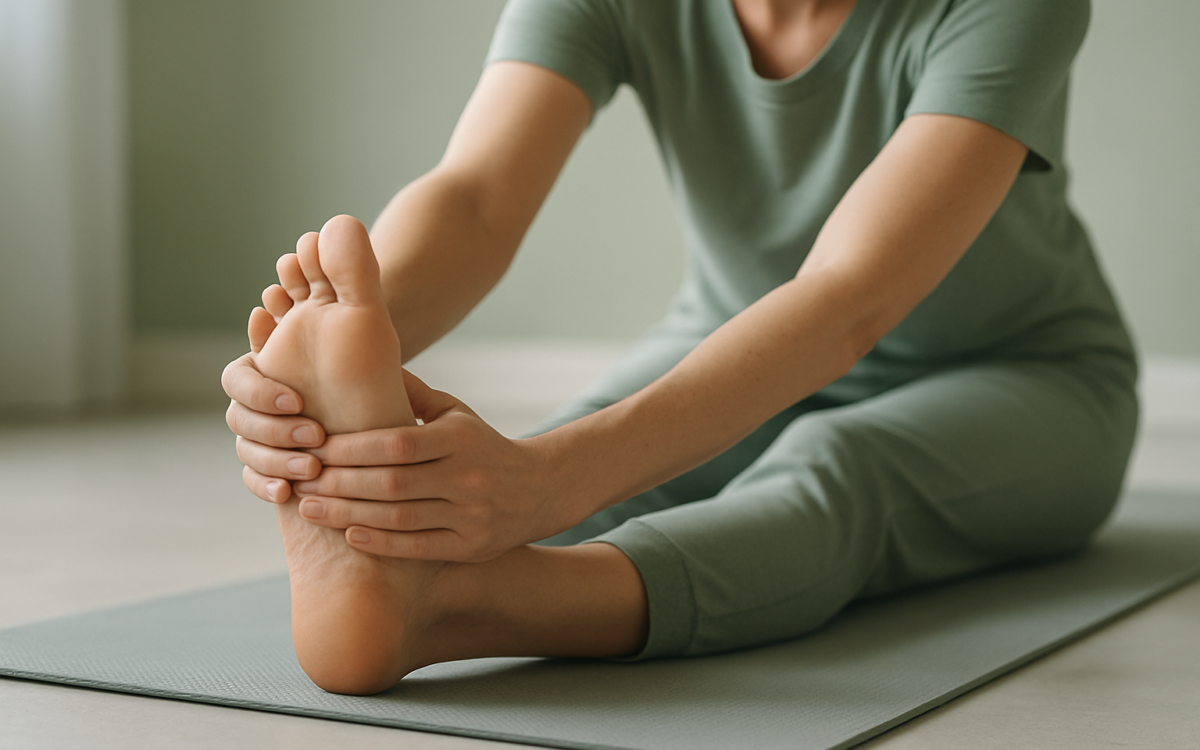
Stretching is an essential part of staying active and healthy. It might seem simple, but the right techniques can improve your flexibility, reduce muscle tension, and prevent injuries. Whether you’re a seasoned athlete, a weekend warrior, or someone who wants to maintain mobility as you age, understanding how to stretch properly is key to reaping the benefits.
Why Stretching Matters
Stretching is much more than just a warm-up. It serves several important functions:
- Improves Flexibility: Regular stretching can increase your range of motion, making everyday movements easier and more graceful.
- Enhances Performance: Athletes and active individuals can improve their performance in various activities by incorporating stretching into their routines.
- Reduces Risk of Injury: Stretching can help prevent injuries by preparing your muscles and joints for physical activity.
- Relieves Tension: Stretching helps to release built-up tension in muscles, promoting relaxation and better circulation.
- Improves Posture: Regular stretching can help counteract the effects of prolonged sitting and improve overall posture.
When to Stretch
Knowing the right time to stretch is crucial for maximizing its benefits. Here are some key moments:
- Before Exercise: Dynamic stretching, which involves moving parts of your body, helps warm-up muscles and prepares them for activity.
- After Exercise: Static stretching, where you hold a stretch for a period of time, is ideal post-workout to enhance flexibility and reduce muscle soreness.
- During Breaks: Regular stretches throughout your day, especially if you sit for long periods, can refresh your muscles, reducing stiffness.
- During Recovery: If you’re recovering from an injury or surgery, gentle stretching can aid in regaining movement and flexibility. However, it’s best to consult your doctor or physical therapist before starting.
Basic Stretching Techniques
Understanding different types of stretching can help you develop a routine that suits your needs. Here are the most common techniques:
Dynamic Stretching
This type involves moving parts of your body and gradually increasing reach, speed, or both. Examples include:
- Leg Swings: Swing one leg forward and backward while holding onto a wall for balance.
- Arm Circles: Extend your arms out to the sides and make small circles, gradually increasing the diameter.
- Lunges with a Twist: Step forward into a lunge position and twist your torso towards the leg that is in front.
Static Stretching
Static stretching is held in a position for a period (usually 15-60 seconds). Here are some examples:
- Hamstring Stretch: Sit on the ground, extend your legs out in front of you, and reach towards your toes.
- Quad Stretch: Stand on one leg, bringing the opposite heel towards your buttocks and holding your ankle.
- Shoulder Stretch: Bring one arm across your body, holding it with the opposite arm for added stretch.
Creating a Stretching Routine
To effectively incorporate stretching into your lifestyle, consider these tips:
- Set a Schedule: Aim to stretch at least 2-3 times a week, and remember that consistency is key.
- Target All Major Muscle Groups: Ensure that you stretch your arms, legs, back, and neck to maintain balanced flexibility.
- Listen to Your Body: Stretch to the point of mild discomfort, not pain. Never force a stretch.
- Stay Hydrated: Drinking water helps keep your muscles nourished and can enhance overall flexibility.
Common Mistakes to Avoid
While stretching can be beneficial, it’s important to be mindful of common mistakes that can diminish its effectiveness:
- Skipping Warm-up: Always do a light warm-up before static stretching; stretching cold muscles can lead to injury.
- Overstretching: Stretching too far can cause strains. Always know your limits.
- Holding Breath: Breathe normally while stretching – this helps to relax your muscles and improve oxygen flow.
- Rushing Through Stretches: Take your time to feel each stretch; quality over quantity is key.
When to See a Doctor
If you experience consistent pain during or after stretching, or if you have concerns about flexibility due to a recent injury or a condition affecting your mobility, consult a healthcare professional. They can provide guidance tailored to your individual needs. According to the NIH, it’s always better to err on the side of caution when it comes to your body.
Additionally, if stiffness or mobility issues do not improve with consistent stretching or if you find yourself unable to perform daily activities, it’s important to seek medical advice.
Conclusion
Incorporating stretching into your routine can enhance your flexibility, improve performance, and minimize the risk of injury. With the right techniques and a regular schedule, stretching can be a valuable addition to your fitness journey. Remember, always listen to your body and consult with a healthcare provider if you have any concerns. Happy stretching!
