
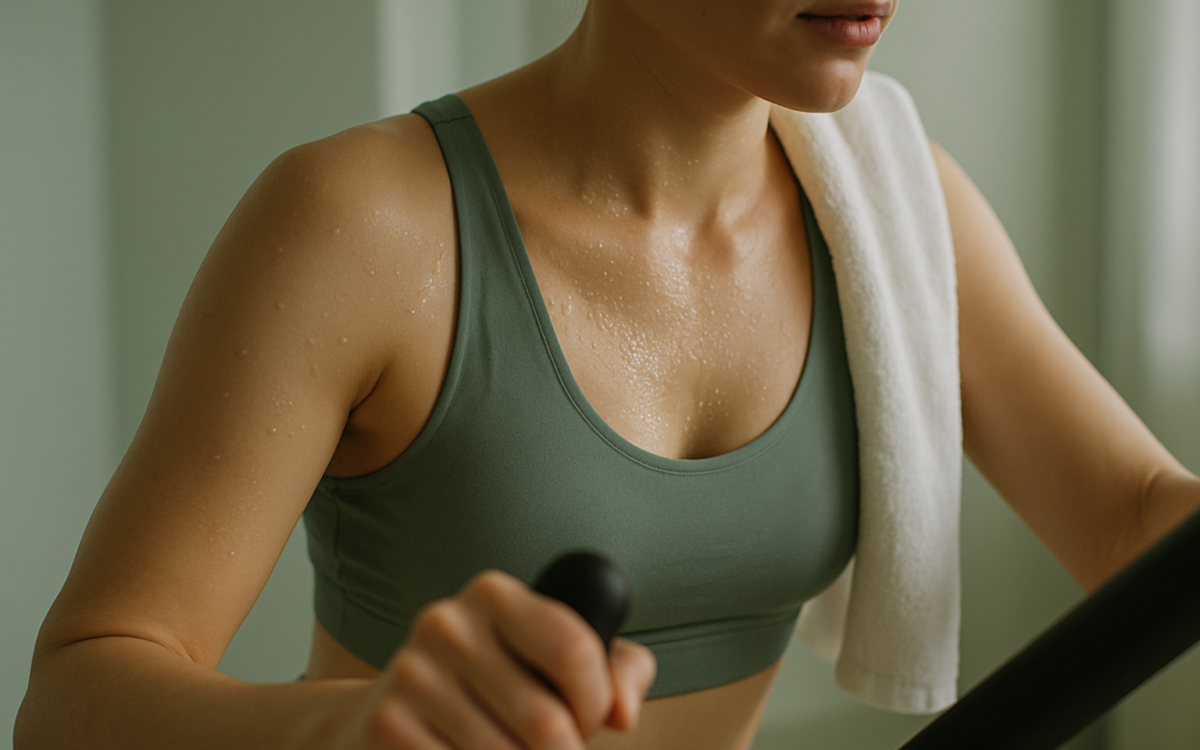
Have you ever wondered if that puddle of sweat on the gym floor means you’re burning tons of calories? Or perhaps you’ve noticed how much you sweat while lounging in a sauna and thought, “Am I burning calories just by sitting here?” These are common questions that many people ask. Let’s dive into the science behind sweating and how it relates to burning calories.
The Basics of Sweating
When your body temperature rises, whether from exercise or external heat, your body cools itself down by producing sweat. Sweat is primarily made up of water, but it also contains small amounts of salts and other substances. The process of sweating is called perspiration and is essential for regulating body temperature. However, sweating itself doesn’t directly cause significant calorie loss.
Calorie Burn and Metabolism
Calories are a measure of energy. Your body burns calories to perform various functions, including basic metabolic activities like breathing, digestion, and brain function. When you exercise, the energy expenditure increases, leading to more calories burned. Activities that raise your heart rate, like running or cycling, require more energy and consequently lead to a higher calorie burn.
Research indicates that on average, a person burns about 100 calories per mile while running, but this can vary based on weight, speed, and fitness level. Sweating is a byproduct of these energy-consuming activities, but it does not contribute significantly to the number of calories burned. According to the National Institutes of Health, factors such as muscle engagement and aerobic intensity play a far more consequential role in calorie expenditure than sweat itself.
Does Sweating Equal Weight Loss?
Many people associate sweating with weight loss, particularly after a tough workout or a sauna session. While it’s true that sweating can lead to temporary weight loss due to fluid loss, this is not the same as burning fat or calories. Once you rehydrate, you will regain that weight.
For instance, athletes often lose water weight through sweating but replenish their fluids during breaks or after training. Actual weight loss and fat burning occur when there’s a consistent calorie deficit—measured by the calories consumed versus calories burned over time. Therefore, while sweating indicates that your body is working hard, it’s crucial to focus on the overall energy balance for effective weight loss.
Factors That Influence Sweating
Several factors can influence how much you sweat during exercise. Understanding them can help set realistic goals and expectations:
- Fitness Level: Fitter individuals usually sweat more efficiently. Their bodies have adapted to regulate temperature more effectively.
- Environment: Hot and humid conditions increase the likelihood of sweating as your body works harder to cool itself.
- Body Composition: Individuals with more muscle mass may sweat more because muscle generates more heat than fat during physical activity.
- Hydration Status: Proper hydration is vital for sweating. If you’re dehydrated, your body may not produce enough sweat, impacting your temperature regulation.
International Perspectives on Sweating and Caloric Expenditure
Sweating is a universal process, and its implications can vary across different cultures and practices. In some regions, like parts of Asia and the Middle East, traditional practices such as hot yoga or sauna bathing are popular. These practices can enhance the experience of relaxation and even improve flexibility. Treatments from organizations such as Acibadem International explore these practices further, examining how cultures integrate sweating as part of their wellness routines.
While enjoying these experiences, it’s essential to remember that while sweating may feel gratifying and beneficial, it is not always a definitive measure of caloric burn. Each cultural practice incorporates sweating differently based on perceptions of fitness and health.
Staying Safe While Sweating
While sweating during exercise is generally safe and beneficial, there are some important safety tips to consider:
- Stay Hydrated: Replenish lost fluids, especially if you sweat heavily. Drink water before, during, and after exercising.
- Avoid Overheating: Pay attention to your body. If you feel faint, dizzy, or excessively fatigued, take a break and find a cooler space.
- Wear Appropriate Clothing: Lightweight, breathable fabrics can help your body cool itself more effectively and keep sweat from piling up.
When to See a Doctor
If you notice excessive sweating that affects your daily life or appears suddenly and without explanation, it may be time to consult a healthcare professional. Conditions such as hyperhidrosis can cause abnormally high levels of sweating and may require medical attention. Additionally, if you experience symptoms like extreme fatigue, dizziness, or heat-related illnesses, seek medical assistance promptly.
Conclusion
While sweating is a natural and essential process that helps regulate your body temperature, it is not a reliable indicator of calorie burn. Actual energy expenditure depends on the intensity and nature of the physical activities you engage in. Understanding the science can help you set realistic expectations for your wellness journey. Remember always to listen to your body, stay hydrated, and if necessary, consult a healthcare professional for any concerns regarding your sweating patterns.
