
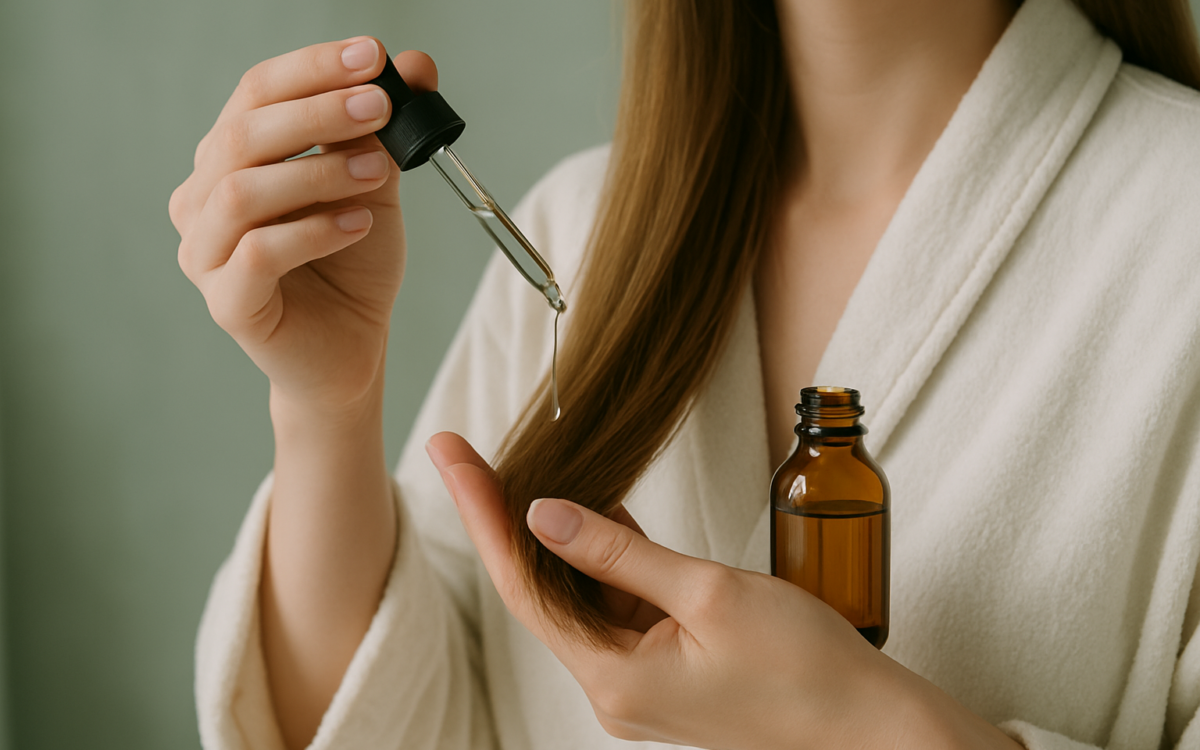
Have you ever wondered how to achieve healthy, shiny hair? Many people dream of strong, lustrous locks but struggle to find the right products. Enter jojoba oil, a remarkable natural oil that is gaining attention for its amazing benefits in hair care. This article delves into what makes hair oil with jojoba a beneficial addition to your hair care routine.
What is Jojoba Oil?
Jojoba oil is derived from the seeds of the jojoba plant (Simmondsia chinensis), a shrub native to North America. Unlike traditional oils, jojoba oil is actually a wax ester. Its unique chemical composition makes it remarkably similar to the natural oils your skin and scalp produce. When used in hair care, jojoba oil offers a wide range of benefits that can enhance the overall health of your hair.
How Does Jojoba Oil Benefit Your Hair?
Incorporating jojoba oil into your hair care routine can lead to numerous benefits. Here are some of the key advantages:
- Moisurizes the Scalp: Jojoba oil helps to hydrate the scalp, making it an excellent choice for those struggling with dryness or flakiness.
- Prevents Dandruff: Its moisturizing properties can help reduce the occurrence of dandruff by keeping the scalp hydrated and balanced.
- Promotes Hair Growth: The nutrients in jojoba oil are believed to stimulate hair follicles, potentially encouraging growth and preventing thinning.
- Adds Shine: Regular use of jojoba oil can provide a healthy shine to your hair without leaving it greasy.
- Strengthens Hair: Jojoba oil contains essential vitamins and minerals that can help strengthen hair strands, reducing breakage and damage.
How to Use Jojoba Oil in Your Hair Care Routine
Incorporating jojoba oil into your hair care regimen is simple and can be done in several ways:
1. As a Moisturizing Treatment
Warm a few drops of jojoba oil in your palms and gently massage it into your scalp and hair. Focus on the ends, where hair is usually the driest. Leave it on for at least 30 minutes or overnight for a more intensive treatment before washing it out with shampoo.
2. Added to Your Shampoo or Conditioner
Add a small amount of jojoba oil to your regular shampoo or conditioner. This can boost hydration and nourishment every time you wash your hair.
3. As a Styling Aid
Use jojoba oil as a natural styling product. A few drops can help tame frizz, add shine, and define curls without the use of harsh chemicals.
4. Scalp Treatment
Apply jojoba oil directly to your scalp to help combat dry, itchy skin. Massaging it in can also promote blood circulation, which is beneficial for hair growth.
Potential Risks and Considerations
While jojoba oil is generally safe for most people, there are a few considerations to keep in mind:
- Allergic Reactions: Although rare, some individuals may be allergic to jojoba oil. It’s wise to perform a patch test on your skin before widespread application.
- Clogged Pores: Those with oily scalps or acne-prone skin should use jojoba oil sparingly, as excessive use can lead to clogged pores.
If you experience any irritation or unusual symptoms after using jojoba oil, it’s best to discontinue use and consult with a healthcare professional.
When to See a Doctor
If you are experiencing significant hair loss, persistent scalp irritation, or signs of an allergic reaction after using jojoba oil, consult a healthcare provider. They can help determine whether your hair concerns are due to underlying health conditions or if alternative treatments may be more suitable.
Conclusion
Jojoba oil is a versatile, nourishing natural oil that can significantly improve the health and appearance of your hair. With its moisturizing, strengthening, and soothing properties, incorporating hair oil with jojoba into your routine can lead to beautiful, healthy hair. As with any new beauty product, remember to listen to your body, and if in doubt, consult with a healthcare professional.
