
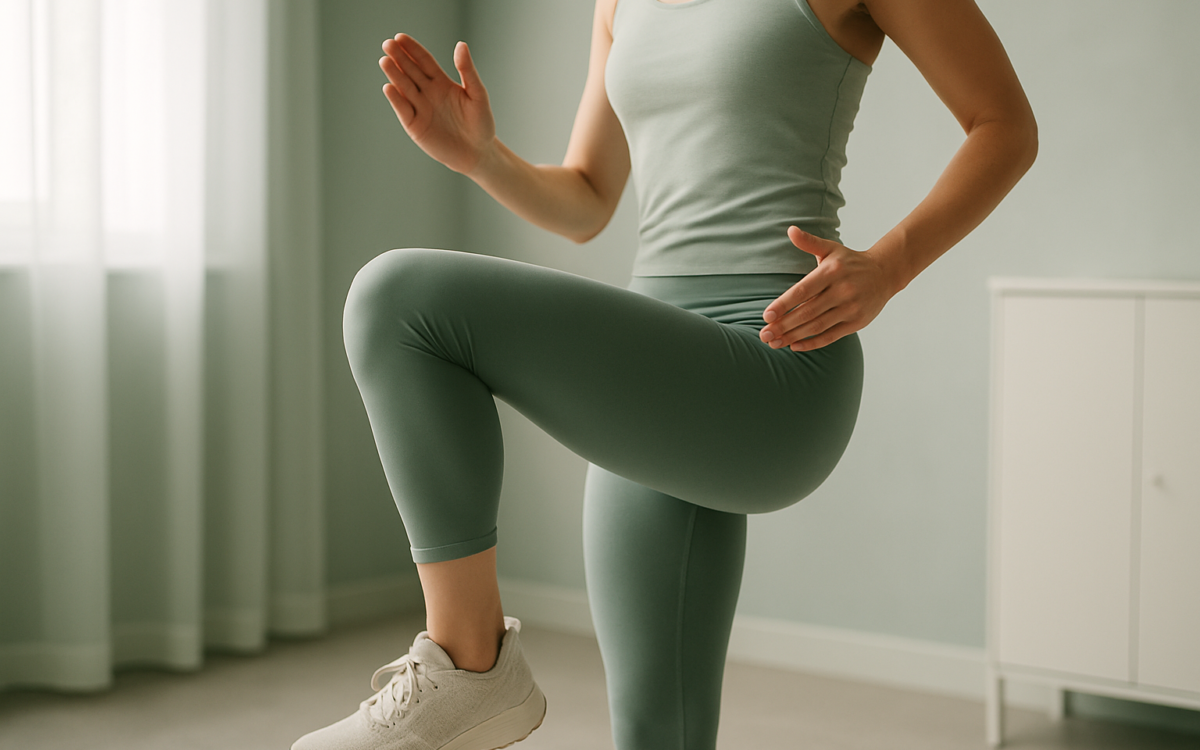
In the world of fitness, some exercises stand out for their ability to deliver results without complicated equipment. One such exercise is the high knees exercise. This dynamic move not only elevates your heart rate but also engages multiple muscle groups, making it a popular choice for warm-ups, cardio workouts, and overall fitness routines. Let’s dive into the benefits, proper techniques, and variations of high knees to enhance your workout.
What are High Knees?
High knees are a form of cardio exercise that involves running in place while lifting your knees as high as possible towards your chest. This exercise can be performed anywhere and requires no special equipment. High knees can be integrated into workouts as a standalone exercise or as part of a circuit to increase overall intensity.
Benefits of High Knees
High knees offer a combination of cardiovascular benefits and muscle strengthening. Here are some key advantages:
- Boosts Cardiovascular Endurance: High knees get your heart pumping, which can improve your cardiovascular health over time. Regular aerobic exercise, like high knees, has been linked to lower risks of heart disease and obesity, according to the CDC.
- Strengthens Lower Body Muscles: This exercise primarily engages your quadriceps, hamstrings, calves, and hip flexors. Strengthening these muscles can improve your ability to perform everyday tasks and enhance your performance in sports.
- Improves Coordination and Balance: High knees require coordination between your legs and arms, helping to improve overall body movement and balance.
- Burns Calories: As a high-intensity exercise, high knees can help burn significant calories in a short period. This makes them especially effective for those looking to lose weight or increase general fitness levels.
- Enhances Agility: The quick, explosive movement of high knees can improve your agility and speed, which are vital in many sports and physical activities.
How to Perform High Knees Correctly
Incorporating high knees into your fitness routine is simple, but proper form is crucial to prevent injury and maximize benefits. Here’s a step-by-step guide to performing high knees:
- Stand tall with your feet hip-width apart and arms at your sides.
- Begin by jogging in place. As you jog, lift your knees towards your chest, aiming to raise them as high as possible.
- Use your arms to help propel your legs upward. Alternate your arm movements with your legs—when your right knee rises, your left arm should come forward and vice versa.
- Maintain a brisk pace, ensuring your feet land softly on the ground.
- Keep your core engaged throughout the exercise to support your lower back.
- Continue for 20-30 seconds, resting for a moment before repeating for a total of 3-5 sets, based on your fitness level.
Variations of High Knees
As with any exercise, variations can keep your routine fresh and cater to different fitness levels. Here are a few variations to consider:
1. High Knees with a Twist
Add a twist to engage your core even more. As you lift your knee, twist your torso towards that knee. This modification helps to engage your oblique muscles and enhances overall core strength.
2. High Knees with Resistance Bands
For added resistance, use a resistance band around your thighs. The added tension will increase difficulty and engagement of your leg muscles.
3. High Knees to Burpee
For advanced exercisers, combine high knees with burpees. After a set of high knees, drop into a squat thrust to complete a burpee. This combination provides both cardio and strength benefits.
4. Back-to-back High Knees and Butt Kicks
To mix things up, alternate high knees with butt kicks. This variation maintains elevated heart rates while engaging different muscle groups.
Including High Knees in Your Routine
High knees can fit into various types of workouts. Here are some suggestions on how you can include them:
- Warm-Up: Use high knees as part of your warm-up routine to prep your muscles for more intensive exercises.
- High-Intensity Interval Training (HIIT): Incorporate high knees into your HIIT sessions for bursts of intense cardiovascular training.
- Cardio Workouts: Add high knees to your cardio workouts to maintain an elevated heart rate.
- Strength Workouts: Pair high knees with strength exercises, like squats or lunges, to enhance the cardiovascular component of your strength training.
Safety Tips for Performing High Knees
As with any exercise, there are safety considerations to keep in mind:
- Use Proper Footwear: Wear supportive shoes to help absorb impact and prevent injuries.
- Listen to Your Body: If you experience pain or discomfort, stop and consult a fitness professional or your doctor.
- Start Slow: Begin at a comfortable pace and gradually increase your intensity as your fitness level improves.
When to See a Doctor
If you experience persistent pain, swelling, or discomfort during or after performing high knees, it’s essential to consult a healthcare professional. Conditions such as joint issues or muscle strains could require attention from a doctor or physical therapist to prevent further injury.
Conclusion
High knees are a versatile and effective exercise that can help improve cardiovascular fitness, strength, and agility. Whether you are a beginner or a seasoned exerciser, adding high knees to your routine can provide numerous benefits. By focusing on proper technique and incorporating variations, you can enjoy an engaging workout that keeps your fitness journey fun and dynamic.
