
Diabetes is a complex condition that affects millions of people globally. When left untreated, diabetes can lead to a host of serious health issues, impacting not just blood sugar levels but overall quality of life. Understanding the risks associated with untreated diabetes can empower you to take action for your health.
What is Diabetes?
Diabetes is a chronic condition characterized by high blood sugar levels. It occurs when the body either does not produce enough insulin, a hormone that helps regulate blood sugar, or cannot effectively use the insulin it produces. There are mainly two types of diabetes:
- Type 1 Diabetes: An autoimmune condition where the body attacks insulin-producing cells in the pancreas.
- Type 2 Diabetes: A condition marked by insulin resistance, where the body does not use insulin effectively, often related to lifestyle factors.
The Importance of Treatment
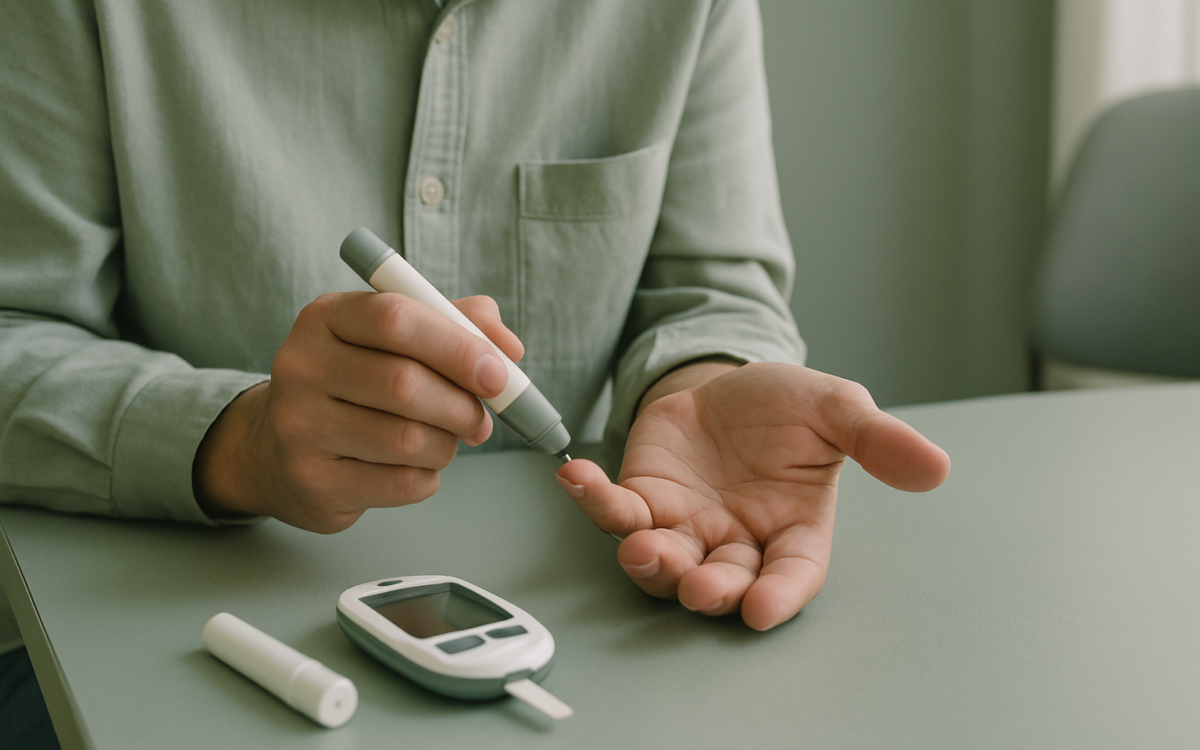
Effective management of diabetes is crucial to prevent severe complications. Regular monitoring of blood sugar levels, along with lifestyle changes or medication, can help control diabetes. According to the Centers for Disease Control and Prevention (CDC), diabetes can lead to long-term health issues if not treated properly.
Complications of Untreated Diabetes
When diabetes goes untreated, it can lead to numerous complications, some of which may be life-threatening. Here are some key complications:
Cardiovascular Problems
Diabetes can significantly increase the risk of heart disease and stroke. High blood sugar levels can damage blood vessels and nerves that control the heart. The American Heart Association reports that diabetes increases the risk of heart attack and other cardiovascular diseases.
Nerve Damage
Excess sugar can injure the walls of the tiny blood vessels that nourish your nerves, especially in the legs. This condition is known as diabetic neuropathy and can lead to pain, tingling, or numbness. In severe cases, it can result in limb loss.
Kidney Damage
The kidneys filter waste from your blood. Diabetes can damage the filtering system, possibly leading to kidney failure or end-stage renal disease. This is known as diabetic nephropathy and may require dialysis or kidney transplant.
Eye Damage
High blood sugar levels can damage the blood vessels in the retina, leading to diabetic retinopathy. This can cause vision loss and even blindness. Regular eye examinations are essential for early detection.
Increased Risk of Infections
People with untreated diabetes are more susceptible to infections, particularly in the skin and urinary tract. High glucose levels can weaken the immune system, making it harder for the body to fight off illnesses.
Signs and Symptoms of Untreated Diabetes
Recognizing the symptoms of diabetes early can lead to timely intervention. Common signs of untreated diabetes include:
- Frequent urination
- Extreme thirst and hunger
- Unexplained weight loss
- Fatigue
- Blurred vision
- Sores that don’t heal
If you experience any of these symptoms, it’s important to consult a healthcare professional to assess your risk.
Managing Diabetes Effectively
Fortunately, with proper management, many people with diabetes can lead healthy lives. Here are some key components of effective diabetes management:
Healthy Eating
Choosing a balanced diet rich in whole grains, fruits, vegetables, lean proteins, and healthy fats can help regulate blood sugar levels. The Mayo Clinic recommends focusing on portion control and the timing of meals.
Regular Exercise
Physical activity plays a crucial role in diabetes management. Exercise helps improve insulin sensitivity and lower blood sugar levels. Aim for at least 150 minutes of moderate aerobic activity each week.
Medications
Many individuals with diabetes may require medications to help maintain healthy blood sugar levels. Prescription medications can include insulin or other anti-diabetic drugs.
When to See a Doctor
If you suspect you might have diabetes or are experiencing symptoms related to high blood sugar, it’s essential to see a healthcare provider. Regular check-ups can help prevent complications and ensure that diabetes is managed effectively.
Conclusion
Untreated diabetes poses significant risks to your health, affecting various organ systems and overall well-being. Understanding the importance of managing diabetes can encourage proactive steps toward a healthier life. If you or someone you know is struggling with diabetes, consulting a healthcare professional can provide valuable guidance and resources.
