
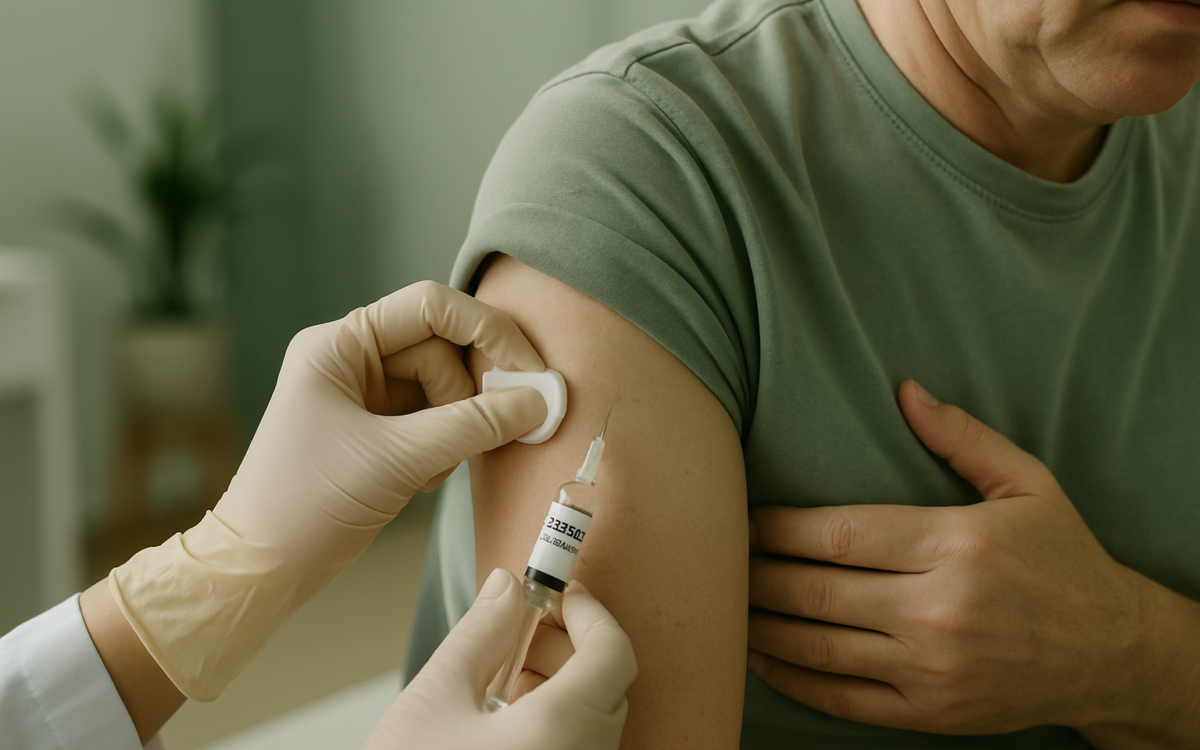
Measles is a highly contagious virus that can lead to severe complications, even in healthy adults. As an adult, you may think you are safe from this disease, but recent outbreaks have raised awareness about the need for vaccinations across all age groups. The measles vaccine is not just for children anymore; adults can benefit significantly from this immunization as well. In this article, we’ll explore the reasons why adults may need the measles vaccine, the symptoms of measles, the importance of vaccination, and when to consult your healthcare provider.
Why should adults consider the measles vaccine?
While measles is often thought of as a childhood illness, it can affect adults too. In fact, many adults born before 1989 may not have been vaccinated or may only have received one dose of the vaccine. The measles-mumps-rubella (MMR) vaccine has been recommended since the late 1960s, and the vaccination schedule has changed over the years. If you’re unsure of your vaccination status or are in a higher-risk group, getting vaccinated is essential.
Who needs the measles vaccine?
- Adults without documented vaccination: If you cannot provide proof of vaccination or past measles infection, consider getting the vaccine.
- Healthcare professionals: Those who work in healthcare may be at increased risk of exposure and should be vaccinated.
- Travelers: Adults planning to travel internationally should check their vaccination status, as some countries have higher rates of measles.
- Pregnant women: Should be immune before conception to reduce the risk of complications in the baby.
What are the symptoms of measles?
Measles starts with flu-like symptoms and can progress rapidly. Early symptoms usually appear 10 to 14 days after exposure. Here are the stages to look out for:
Initial symptoms
- High fever
- Cough
- Runny nose
- Red eyes (conjunctivitis)
- Sore throat
Rash
The telltale skin rash usually appears about 3 to 5 days after the initial symptoms. It often starts at the hairline, then spreads downward:
- Begins as flat red spots.
- Often becomes raised and blotchy.
- Can merge to cover larger areas.
Measles can be serious, leading to complications such as pneumonia, encephalitis, and even death. That’s why vaccination is vital to prevent this disease and its complications.
Benefits of the measles vaccine
The measles vaccine provides not only individual protection but also community immunity. Here are some key benefits:
- Prevention of disease: The MMR vaccine is about 97% effective at preventing measles after two doses.
- Protection of vulnerable populations: Vaccinating adults helps protect infants and those unable to be vaccinated due to medical conditions.
- Reduction of outbreaks: Higher vaccination rates lead to fewer outbreaks, contributing to public health.
Understanding vaccination safety
Some adults may fear side effects from the vaccine. In most cases, the MMR vaccine is well-tolerated. Common side effects are typically mild and include:
- Soreness at the injection site
- Fever
- Rash (sometimes)
Severe side effects are rare but can include allergic reactions. It’s essential to discuss any concerns with your healthcare provider, as the benefits typically outweigh the risks.
When to see a doctor
If you suspect you may have measles, contact your doctor for guidance. Symptoms can mimic other illnesses, and measles is highly contagious. It’s best to seek medical advice if you notice:
- Signs of measles after exposure, such as fever, cough, or rash
- Severe headache or any unusual symptoms after vaccination
- Concerns about your vaccination history or future vaccination
Prompt medical attention can help manage symptoms and prevent the spread of the disease to others.
Conclusion
The measles vaccine is a critical tool in protecting both individuals and communities from outbreaks. Adults should take their vaccination status seriously, especially since the virus can pose significant risks. Staying informed about vaccines and discussing them with healthcare providers can help ensure that you are protected. Remember, health is a shared responsibility, and vaccination is the first step in safeguarding not only your own well-being but also that of your family and community.
For more information, you can visit the CDC or consult other trusted health resources such as the World Health Organization.
