
Heart disease remains the leading cause of death for both men and women in the United States. Fortunately, with early detection and appropriate management, many heart problems can be treated effectively. Screening for heart problems can help identify potential issues before they progress, making it an essential aspect of maintaining overall cardiovascular health.
What is Heart Screening?
Heart screening refers to various tests and evaluations that doctors use to assess your heart health. These screenings can include blood tests, electrocardiograms (EKGs), echocardiograms, and stress tests. The primary goal is to detect risk factors that may lead to heart disease, such as high cholesterol, high blood pressure, or irregular heart rhythms.
Who Should Get Screened?
While everyone can benefit from regular check-ups, certain individuals are at a higher risk for heart problems and may require more frequent screenings. You might consider screening if you:
- Have a family history of heart disease
- Are a smoker or have a history of smoking
- Have high blood pressure or diabetes
- Lead a sedentary lifestyle or are overweight
- Experience symptoms like shortness of breath, chest pain, or fatigue
Common Screening Tests for Heart Problems
Understanding the types of screenings available can help you and your doctor determine the best approach for your health needs. Here are some common tests:
Blood Tests
Blood tests are crucial for measuring cholesterol levels and assessing other risk factors for heart disease. A lipid panel provides information about your total cholesterol, LDL (bad cholesterol), HDL (good cholesterol), and triglycerides. Elevated levels of LDL and triglycerides can increase your risk of heart problems.
Electrocardiogram (EKG)
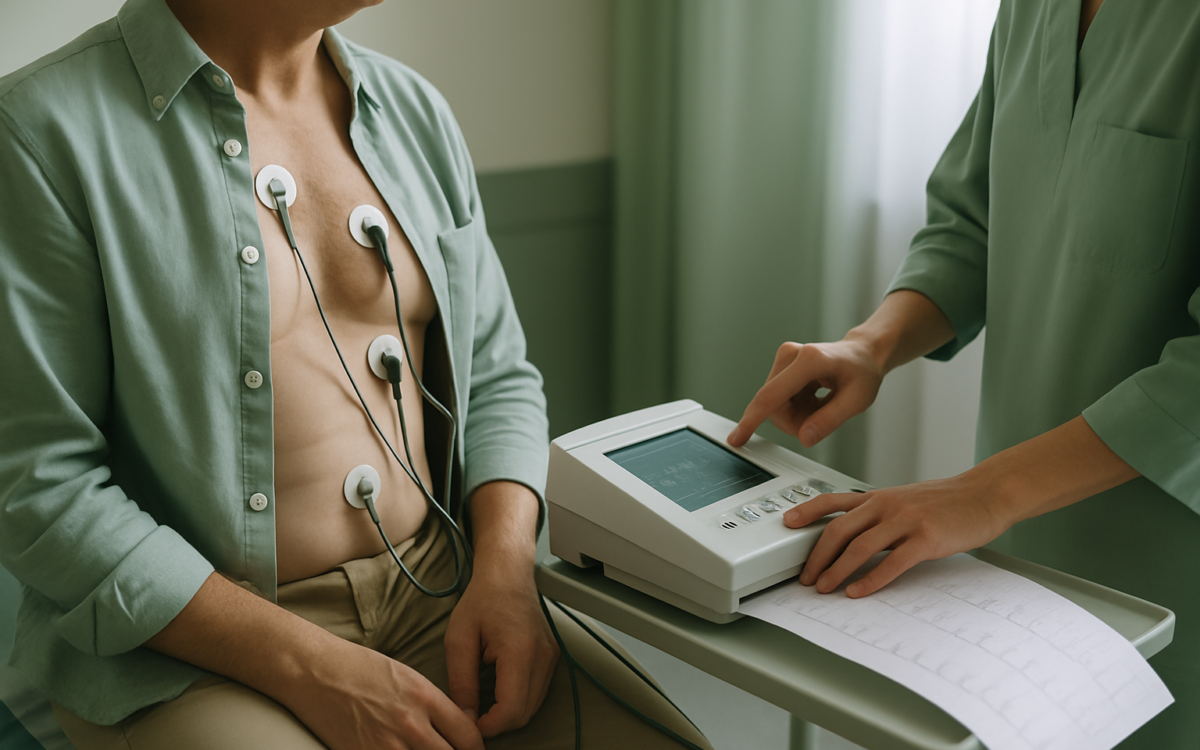
An EKG is a test that records the electrical activity of your heart. It can help identify irregular heart rhythms and other conditions that might affect your heart’s health. This test is quick, non-invasive, and often done in the doctor’s office.
Echocardiogram
This ultrasound test uses sound waves to produce images of your heart’s structure and function. It helps evaluate the heart’s chambers, valves, and overall performance, allowing doctors to identify any abnormalities.
Stress Test
A stress test evaluates how your heart performs under physical exertion. During this test, you may be asked to walk on a treadmill or ride a stationary bike while your heart’s activity is monitored. This can help detect issues that might not be visible when you are at rest.
International Perspectives on Heart Screening
Screening guidelines can vary by country, and accessing heart health services may depend on where you live. For individuals considering treatment abroad, options like those offered by acibademinternational.com provide international care that can complement local services. Different medical facilities worldwide may offer advanced technologies and specialized screening processes that align with global best practices in cardiovascular health.
How Often Should You Be Screened?
The frequency of heart screening can depend on several factors, including your age, personal health history, and family medical history. For many adults, it is typically recommended to have a cholesterol screening every 4-6 years starting at age 20. However, if you have risk factors for heart disease, your doctor might suggest more frequent screenings. Regular check-ups can help tailor a personalized schedule for heart monitoring.
Recognizing Symptoms of Heart Problems
In addition to regular screenings, it’s essential to be aware of the symptoms that might indicate a heart problem. Common signs to watch out for include:
- Unexplained chest discomfort or pain
- Shortness of breath during daily activities
- Persistent fatigue
- Heart palpitations or abnormal heart rhythms
- Swelling in the legs, ankles, or feet
If you experience any of these symptoms, consult your doctor as soon as possible.
When to See a Doctor
You should see a doctor for regular check-ups and heart screenings, but you should also schedule an appointment if you experience persistent symptoms like chest pain, extreme fatigue, or shortness of breath. Early detection and intervention are critical in managing heart health effectively.
Remember, maintaining heart health is a lifelong journey. By incorporating routine screenings and staying informed about your cardiovascular health, you can help reduce the risk of heart disease and promote a healthier lifestyle.
