
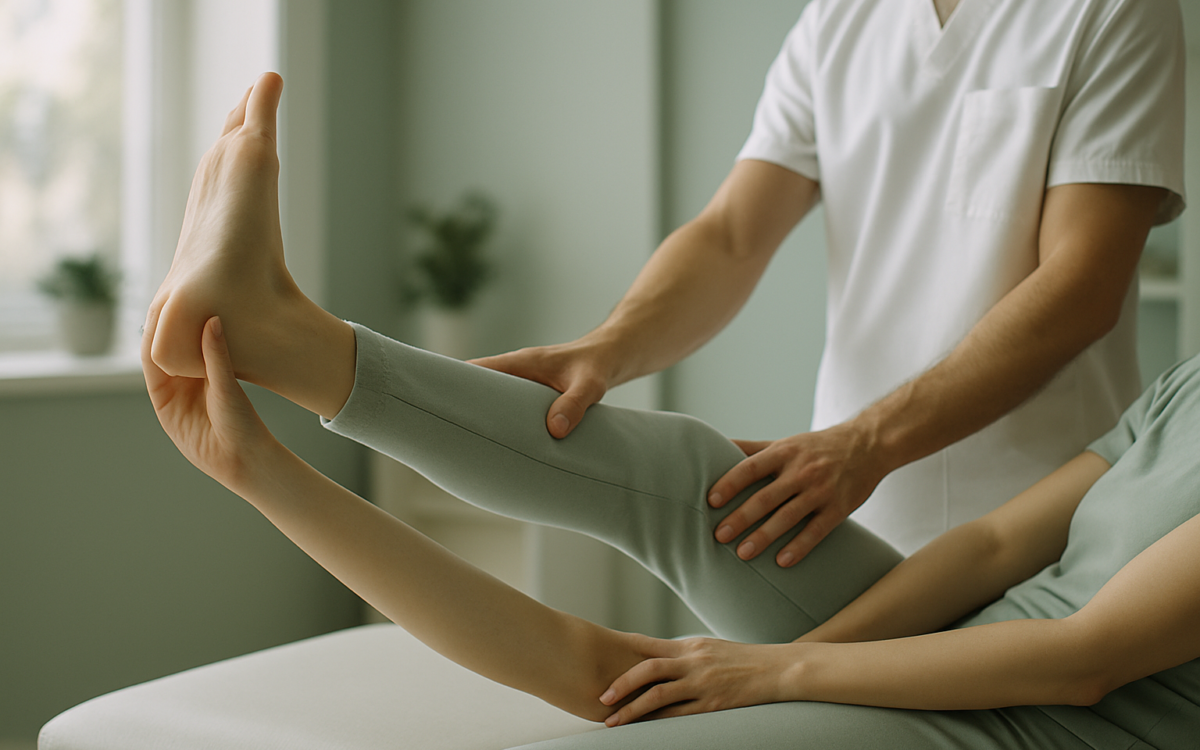
Stretching is often an overlooked aspect of fitness routines, yet it plays a critical role in overall health and well-being. Whether you’re an athlete, a casual gym-goer, or someone who spends long hours sitting at a desk, stretching can enhance your life in numerous ways. This article explores the benefits of stretching out, different techniques to incorporate, and when to seek medical advice.
Understanding Stretching
Stretching involves gently elongating muscles and tendons to improve flexibility and range of motion. There are two primary types of stretching:
- Static Stretching: This involves holding a stretch for a prolonged period, typically 15-60 seconds. It’s best done after your workout when your muscles are warm.
- Dynamic Stretching: This involves moving parts of your body and gradually increasing reach, speed, or both. Dynamic stretches are typically done before physical activities to prepare the muscles.
Benefits of Stretching
Incorporating stretching into your daily routine has several benefits:
- Increased Flexibility: Regular stretching can improve your flexibility over time, which enhances performance in physical activities and reduces the risk of injuries.
- Enhanced Blood Circulation: Stretching helps improve circulation by increasing blood flow to your muscles, promoting muscle recovery and reducing soreness.
- Stress Relief: Stretching can alleviate tension and promote relaxation, helping to reduce stress levels. This combination of relaxation and physical activity is beneficial for mental health.
- Improved Posture: Stretching can help correct postural imbalances, particularly for individuals who spend long hours sitting.
- Better Athletic Performance: For athletes, stretching can enhance performance by improving agility, coordination, and overall muscle function.
When to Stretch
Knowing the right time to stretch can maximize its benefits. Here are some guidelines:
- Before Exercise: Dynamic stretching is typically recommended to warm up your muscles and prepare them for activity.
- After Exercise: Static stretching is best performed after workouts to help cool down and lengthen the muscles that were used.
- During Mindfulness Practices: Incorporating stretching during yoga or meditation can enhance relaxation and awareness of your body.
- Throughout the Day: If your daily routine involves prolonged sitting, take short breaks to stretch every hour to counteract stiffness.
Effective Stretching Techniques
Here are a few effective stretching techniques you can try:
Neck Stretch
- While sitting or standing, gently tilt your head towards one shoulder until you feel a stretch on the opposite side. Hold for 15-30 seconds and switch sides.
Shoulder Stretch
- Cross one arm over your body and use your other arm to pull it gently toward your chest. Hold for 15-30 seconds and switch sides.
Hamstring Stretch
- Sit on the floor with one leg extended and the other leg bent. Reach toward your toes of the extended leg while keeping your back straight. Hold for 15-30 seconds and switch legs.
Hip Flexor Stretch
- Start in a lunge position with one foot forward and the other knee on the ground. Shift your weight forward gently to feel a stretch in your hip. Hold for 15-30 seconds and switch sides.
Cat-Cow Stretch
- Start on your hands and knees. As you inhale, arch your back and lift your head (Cow Position). As you exhale, round your back and drop your head (Cat Position). Repeat for several cycles.
Common Stretching Mistakes to Avoid
While stretching is beneficial, there are some common mistakes to watch out for:
- Overstretching: Pushing yourself too far can lead to injury. Stretch until you feel a gentle pull, not pain.
- Holding Your Breath: Remember to breathe deeply and regularly while stretching to bring oxygen to your muscles.
- Neglecting Specific Areas: Be sure to stretch all major muscle groups, especially those that feel tight or tense.
- Not Warming Up First: Avoid static stretching before a workout; instead, opt for dynamic stretching to prepare your body.
When to See a Doctor
Although stretching is generally safe for most people, it’s essential to recognize when to consult a healthcare provider:
- If you experience persistent pain during or after stretching
- If you have a specific injury or condition that affects your ability to stretch
- If you’re unsure about which stretches are appropriate for your needs
Understanding your body and its limits is crucial. Consult a professional if you’re unsure about your stretching routine or experience discomfort.
Conclusion
Making stretching a regular part of your fitness routine can lead to remarkable benefits for both body and mind. As you incorporate various techniques and remain mindful of your body’s signals, you may find that stretching enhances your flexibility, reduces stress, and improves overall well-being. Remember, the goal is to feel good while stretching, so keep it gentle and enjoyable!
