
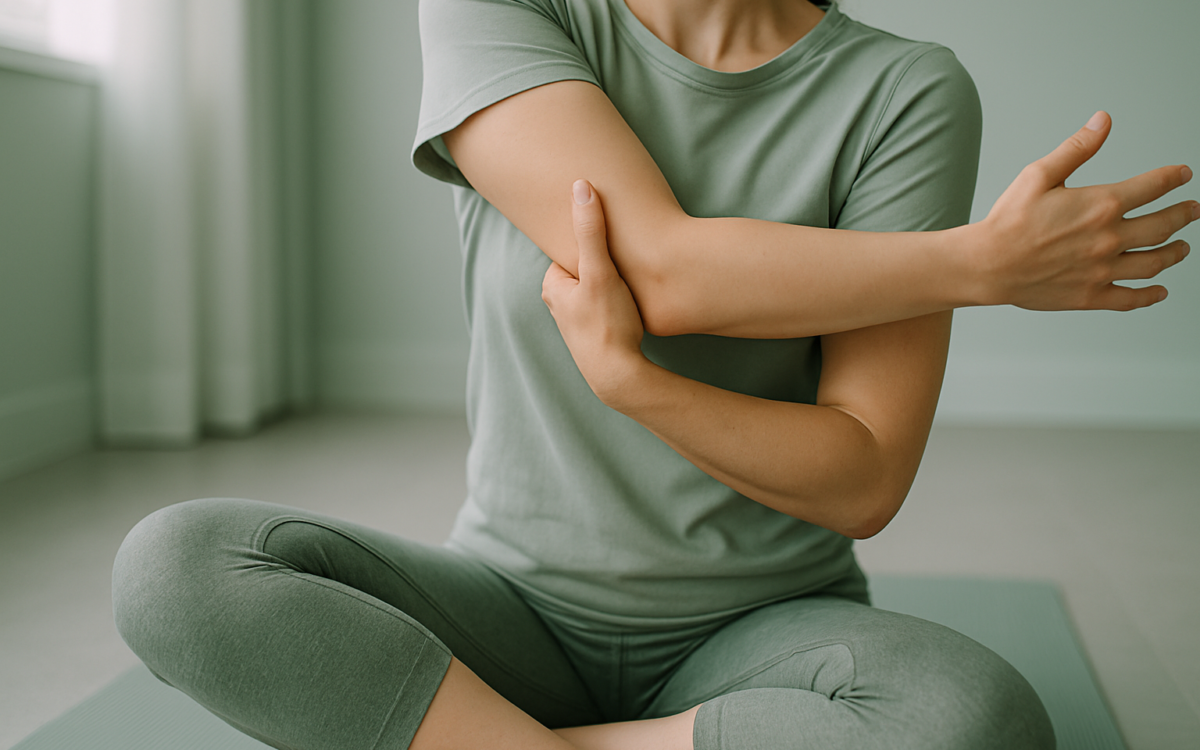
Have you ever noticed how great it feels to stretch after sitting for a long time or finishing a workout? Whether it’s a gentle reach for your toes or a full-body stretch after a long day, stretching is more than just a way to warm up or cool down. It brings a sense of relaxation and relief, turning mundane moments into opportunities for joy. So, why does stretching feel so good? Let’s explore the science and benefits behind this pleasurable practice.
Understanding the Mechanics of Stretching
Stretching involves elongating your muscles and tendons, which can lead to improved flexibility and range of motion. But beyond physical benefits, the mechanics of stretching may also release endorphins, the body’s natural feel-good hormones. According to a study published by PubMed Central, engaging your muscles through stretching can stimulate the production of these chemicals, creating feelings of happiness and well-being.
Relief from Muscle Tension
One of the primary reasons stretching feels good is that it helps release tension built up in the muscles. When you hold a particular position for a long time, such as sitting at a desk, your muscles can become tight and fatigued. Stretching encourages blood flow, which can alleviate tightness. According to the Mayo Clinic, stretching can also reduce soreness and enhances muscle recovery after exercise. Thus, a good stretch can lead to a sense of relief akin to a mini massage for your muscles.
Enhancing Body Awareness
Stretching promotes a deeper connection between your mind and body. It encourages you to focus on areas of tension and discomfort and brings awareness to your physical state. This mindfulness can create a calming effect, especially in our fast-paced lives. Engaging in stretching exercises allows you to pause, breathe, and check in with your body, which can be invigorating. According to the World Health Organization, this type of mindfulness can improve overall mental health—even reducing stress levels.
Boosting Circulation and Flexibility
Stretching also improves blood circulation, which helps deliver oxygen and nutrients to your muscles. Improved circulation can lead to increased energy levels and reduced fatigue. While an active lifestyle contributes to good circulation, stretching specifically helps maintain it, particularly as we age. A study published by the National Institutes of Health underscores how flexibility gained from regular stretching can contribute positively to longevity and overall health.
Emotional Release Through Stretching
There’s more to stretching than just its physical benefits; it can also have emotional implications. Engaging in deep breathing, coupled with stretching, can release pent-up emotions. Many people report feeling lighter or more balanced after a good stretch. This emotional release can be especially beneficial during stressful times, providing a natural way to cope with daily pressures.
Creating a Stretching Routine
To reap the benefits of stretching, it’s helpful to create a routine that includes various stretches targeting different muscle groups. Aim to incorporate stretching into your daily activities, whether it’s first thing in the morning or after your workout. Remember to listen to your body; stretching should feel good, and you should never push beyond your comfort zone. Consistency is key, so find ways to make it enjoyable—play your favorite music or practice in a serene environment.
Sample Stretching Techniques
- Neck Stretch: Gently tilt your head to one side, holding for 15-30 seconds on each side.
- Forward Bend: Stand with feet hip-width apart and slowly bend forward, reaching for your toes.
- Child’s Pose: A calming stretch that fosters relaxation, perfect for grounding yourself after a busy day.
When to See a Doctor
If you experience any persistent pain or discomfort while stretching, it may be time to consult a healthcare professional. Conditions such as injuries or chronic pain require careful management and should be evaluated by a doctor. Remember, while stretching can feel great, it’s not a substitute for professional medical treatment.
In conclusion, the act of stretching is a simple yet powerful way to enhance both physical and mental well-being. From relieving tension to promoting flexibility and emotional wellness, the benefits of stretching are numerous. So next time you enjoy a good stretch, take a moment to appreciate the joy and relief it brings to your body and mind.
