
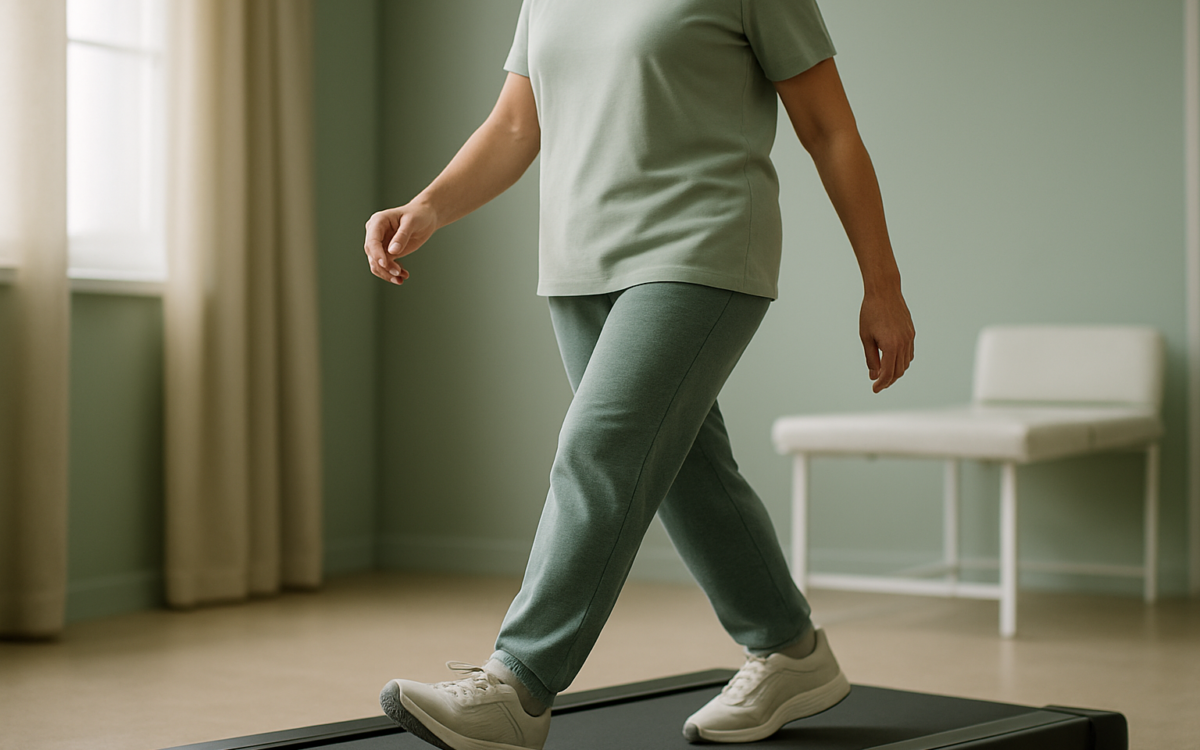
Walking is one of the simplest and most accessible forms of exercise, yet many overlook its benefits. It can be done anywhere, requires no special equipment, and is suitable for people of all ages. From improving cardiovascular health to enhancing mood, the advantages of walking are plentiful, making walk exercise a fantastic choice for those seeking to improve their overall well-being.
Health Benefits of Walking
Incorporating walking into your daily routine can offer a range of health benefits, both physical and mental. Here are some key advantages:
- Improved Cardiovascular Health: Walking regularly can strengthen your heart, lower blood pressure, and improve circulation. According to the CDC, just 150 minutes of moderate-intensity walking per week can significantly reduce the risk of heart disease.
- Weight Management: Running a calorie deficit is essential for weight loss, and walking can help with that. As a low-impact exercise, walking burns calories without putting undue stress on joints, making it suitable for those just starting their fitness journey.
- Mental Wellness: Walking has been shown to enhance mood and reduce anxiety. Engaging in a brisk walk can stimulate the production of endorphins, which are your body’s natural mood lifters. Studies published by the National Institutes of Health suggest regular walking can lead to lower levels of depression and anxiety.
Getting Started with Walk Exercise
Ready to step out? Here are some tips to make walking a regular part of your routine:
Set Realistic Goals
Start small by gradually increasing your walking distance and time. Setting achievable goals, like walking 10 minutes a day, can boost motivation and help you build a consistent habit.
Choose the Right Environment
Finding a safe and pleasant place to walk can enhance your experience. Parks, nature trails, or even your neighborhood can provide restorative scenery that makes walking more enjoyable.
Invest in Good Footwear
Comfortable, supportive shoes can help prevent injuries and keep you motivated to walk more often. Look for footwear designed for walking that offers good arch support and cushioning.
Types of Walk Exercises
Not all walking is the same. Here are different types of walk exercises you might consider:
Brisk Walking
Walking at a pace where you can talk but not sing—generally around 3 to 4 miles per hour—can be a great cardiovascular workout.
Interval Walking
Alternate between fast and slow walking to boost your heart rate and calorie burn. For instance, walk briskly for one minute, then slow down for two, repeating this pattern several times.
Nature Walks
Walking in a natural setting can offer additional mental health benefits. Studies suggest that spending time in nature can reduce stress and improve mood. So, why not combine the two?
Staying Safe While Walking
Safety should always be a priority when walking, especially outdoors. Here are tips to keep in mind:
Be Aware of Your Surroundings
Stay mindful of traffic, uneven surfaces, and other pedestrians. Walking in well-lit, populated areas can help minimize risks.
Stay Hydrated
Always drink water before and after your walk, especially on warmer days. Hydration is crucial for maintaining energy levels and preventing fatigue.
Wear Visible Clothing
If you walk early in the morning or late in the evening, consider wearing bright or reflective clothing to ensure you are seen by drivers.
Add Variety to Your Walks
To keep things fresh and engaging, vary your walking routine. Here are some ideas:
Change Routes
Exploring new paths not only keeps your walks interesting but also allows you to discover new environments in your community.
Include Tech
Use fitness trackers or walking apps to monitor your distance, steps, and time. This can motivate you to reach your daily goals and challenge yourself.
Involve Others
Inviting friends or family members to walk with you can make the experience more enjoyable and hold you accountable.
When to See a Doctor
If you experience persistent pain, unusual shortness of breath, or other concerning symptoms while walking, it’s important to consult your healthcare provider. They can offer guidance tailored to your specific situation and help ensure your walking routine is safe.
Conclusion
Walk exercise is a simple yet powerful tool to enhance your health and quality of life. With its myriad benefits for both the mind and body, it’s never too late to start walking. Lace-up your shoes, step outside, and embrace the joy of movement!
