
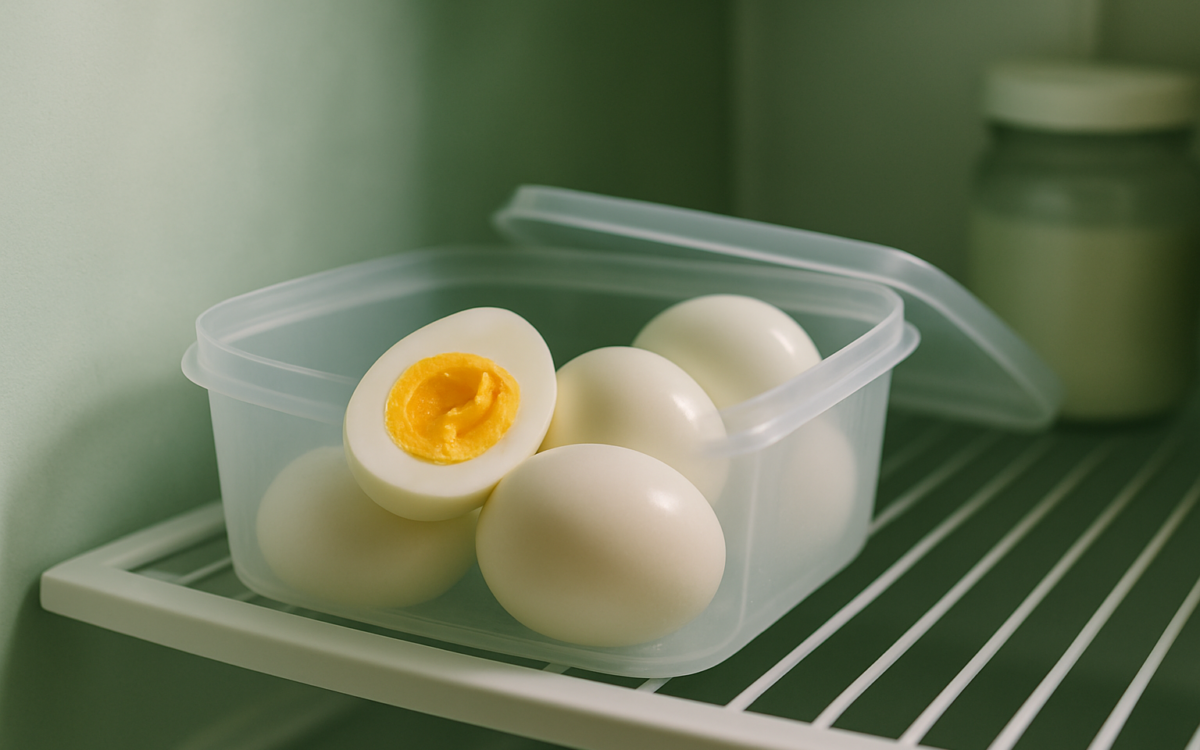
Boiled eggs are a popular choice for many meals—from breakfast to salads to snacks. They’re nutritious, convenient, and can even be made in bulk for meal prep. But have you ever wondered how long boiled eggs remain safe to eat once cooked? Understanding the duration boiled eggs can last in your fridge is essential for preventing food waste and ensuring your meals are both delicious and safe.
How long can boiled eggs last in the fridge?
Boiled eggs can be safely stored in the refrigerator for up to one week, which is about 7 days. This timeline is supported by several health organizations, including the Centers for Disease Control and Prevention (CDC). When you boil eggs, the cooking process kills any bacteria, but once they are peeled or left unpeeled in the fridge, they can still become contaminated if not stored properly.
Best practices for storing boiled eggs
The way you store your boiled eggs affects their freshness and flavor. Here are some practical tips for keeping your boiled eggs safe and tasty:
- Keep the shells on: If you don’t plan to eat your boiled eggs right away, it’s best to keep them unpeeled. The shells act as a natural barrier against bacteria and help maintain moisture.
- Use a container: Store boiled eggs in a clean, sealed container to prevent any cross-contamination with other foods in the fridge. Make sure the container is airtight.
- Label the container: If you cook multiple batches or different types of eggs, label them with the date they were boiled. This will help you keep track of freshness.
- Avoid the door: The refrigerator door is often the warmest part of the fridge, so it’s not the best place to store eggs. Instead, keep them in the main compartment where the temperature is more stable.
Signs that boiled eggs have gone bad
While boiled eggs can last up to a week, it’s essential to check for signs of spoilage before eating. Here are some indicators that your boiled eggs may have gone bad:
- Odor: If a boiled egg emits a strong sulfur smell, it’s best to toss it out.
- Texture: If the egg white appears slimy or chalky, it might not be safe to eat.
- Discoloration: Any unusual colors on the shell or egg white could signal contamination.
Freezing boiled eggs: Is it a good idea?
If you find yourself with leftover boiled eggs, you might consider freezing them. However, while you can freeze boiled egg yolks, whole boiled eggs or egg whites don’t freeze well due to texture changes. Freezing may cause the whites to become rubbery and lose their original taste. If you do choose to freeze yolks, store them in airtight containers, and consider adding a little salt or sugar to preserve their texture. Remember to use frozen yolks within a year for the best quality.
How to enjoy boiled eggs safely
Boiled eggs are versatile and can be enjoyed in various ways. Here are some popular ideas:
- Salads: Slice boiled eggs and add them to your favorite salad for extra protein.
- Sandwiches: Use chopped boiled eggs to make a classic egg salad sandwich.
- Snacks: Season boiled eggs with salt, pepper, or a light drizzle of olive oil for a quick and nutritious snack.
When to see a doctor
If you experience symptoms like nausea, vomiting, diarrhea, or abdominal pain after consuming boiled eggs, consult a healthcare professional. These symptoms could indicate a foodborne illness. It’s always best to err on the side of caution when it comes to food safety.
Conclusion
Boiled eggs are a nutritious and versatile food that can elevate your meals. By understanding storage guidelines and how long they last in the fridge, you can enjoy their benefits safely. Remember to regularly check your fridge for freshness and follow the best practices for storing and enjoying these delightful eggs. For further guidance on food storage and safety, consider consulting resources from trusted health organizations like the Mayo Clinic or the World Health Organization (WHO).
