
Vaccines are often associated with childhood, but adults have important vaccination responsibilities as well. Among them is the MMR vaccine, which protects against measles, mumps, and rubella. While these diseases may seem like a thing of the past, they can still pose serious health risks. In this article, we’ll explore the significance of the MMR vaccine for adults, who should get vaccinated, and key considerations surrounding the vaccine.
What is the MMR Vaccine?
The MMR vaccine is a combination vaccine that provides immunity against three highly contagious viral diseases: measles, mumps, and rubella. It contains weakened forms of the viruses that cause these diseases, stimulating the immune system to develop a response and immunity without causing the illness itself. The vaccine is usually administered in childhood, but adults also need to be aware of their vaccination status.
Why is the MMR Vaccine Important for Adults?
Many adults may assume that since they had the MMR vaccine as children, they are protected for life. However, immunity can diminish over time, and some adults may not have received the vaccine at all. Here are a few reasons why getting the MMR vaccine as an adult is vital:
- Outbreak Prevention: Measles and mumps are making a comeback in some areas, often due to lower vaccination rates. An adult who is not immune can contribute to outbreaks.
- Health Risks: Measles, mumps, and rubella can result in severe health complications, including pneumonia, encephalitis, and birth defects if contracted during pregnancy.
- Travel Considerations: If you plan to travel internationally, certain regions may have higher rates of these diseases. Being vaccinated protects not just you, but also others you might encounter.
Who Should Get the MMR Vaccine?
The Centers for Disease Control and Prevention (CDC) recommends that adults consider getting the MMR vaccine under several circumstances:
- If you were born after 1956 and have never received the vaccine.
- If you are unsure of your vaccination history or have only received one dose.
- If you are a healthcare worker who may be exposed to patients with these diseases.
- If you are planning to travel internationally where measles outbreaks are common.
Are There Risks Associated with the MMR Vaccine?
As with any medical treatment, there can be risks associated with the MMR vaccine. Most people tolerate the vaccine well, but some may experience mild side effects such as:
- Fever
- Rash
- Pain or swelling at the injection site
Serious side effects are rare but can occur. These might include allergic reactions or, very rarely, issues such as seizures related to fever. It’s essential to discuss these concerns with your healthcare provider to weigh the benefits against the risks.
How is the MMR Vaccine Administered?
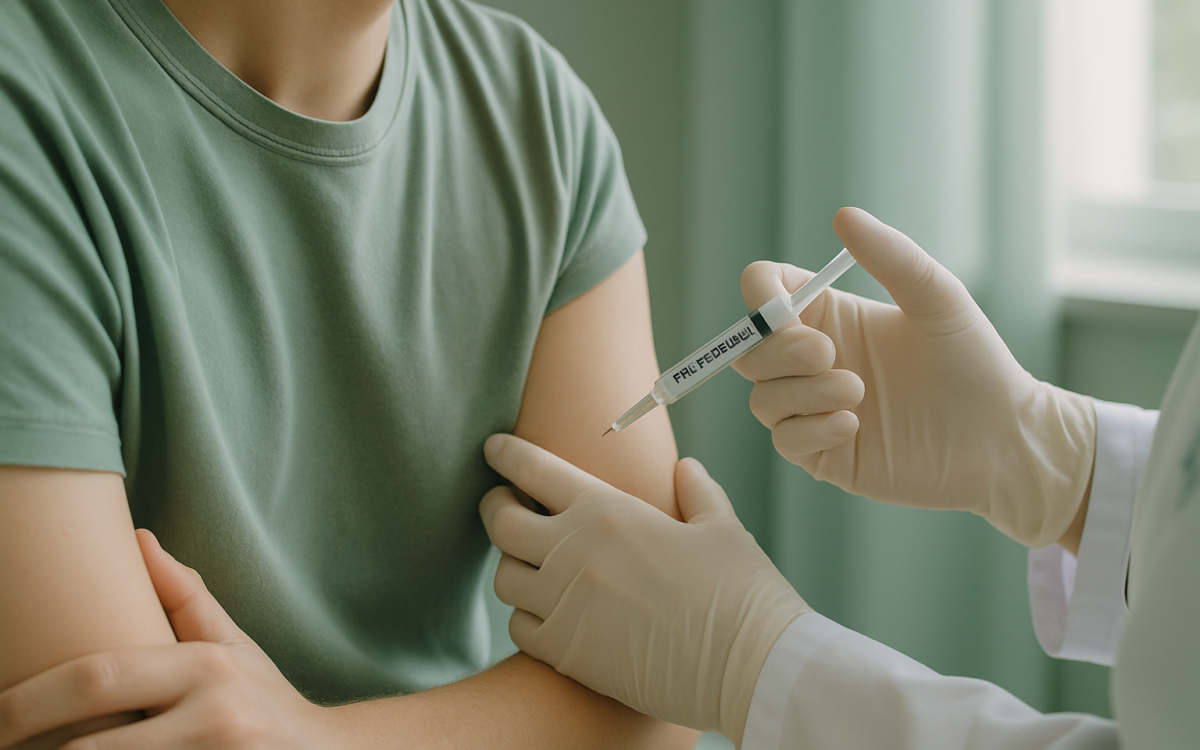
The MMR vaccine is given as an injection, typically in the upper arm. Adults usually receive one or two doses, depending on their vaccination history. If you have never received the vaccine or are uncertain of your status, your healthcare provider can perform a blood test to check for immunity before recommending a vaccination.
Staying Informed About Your Immunizations
Keeping track of your immunization history is an essential part of maintaining your health. Consider asking your healthcare provider for an updated immunization record, especially if you’re planning on travel or have routine doctor visits. This record can help you make informed decisions about your vaccinations.
When to See a Doctor
If you suspect you may not be up to date on your MMR vaccine, or if you have specific health conditions that might complicate vaccination, consult your doctor. Discussing your medical history and vaccination status is crucial for making the best decision regarding the MMR vaccine.
Conclusion
The MMR vaccine is not just for children; adults have a vital role in preventing the spread of measles, mumps, and rubella. Understanding its importance, recognizing who needs it, and addressing any concerns with your healthcare provider can help protect you and your community. The decision to get vaccinated is a personal one, but it’s also part of a broader public health strategy to keep everyone safe.
