
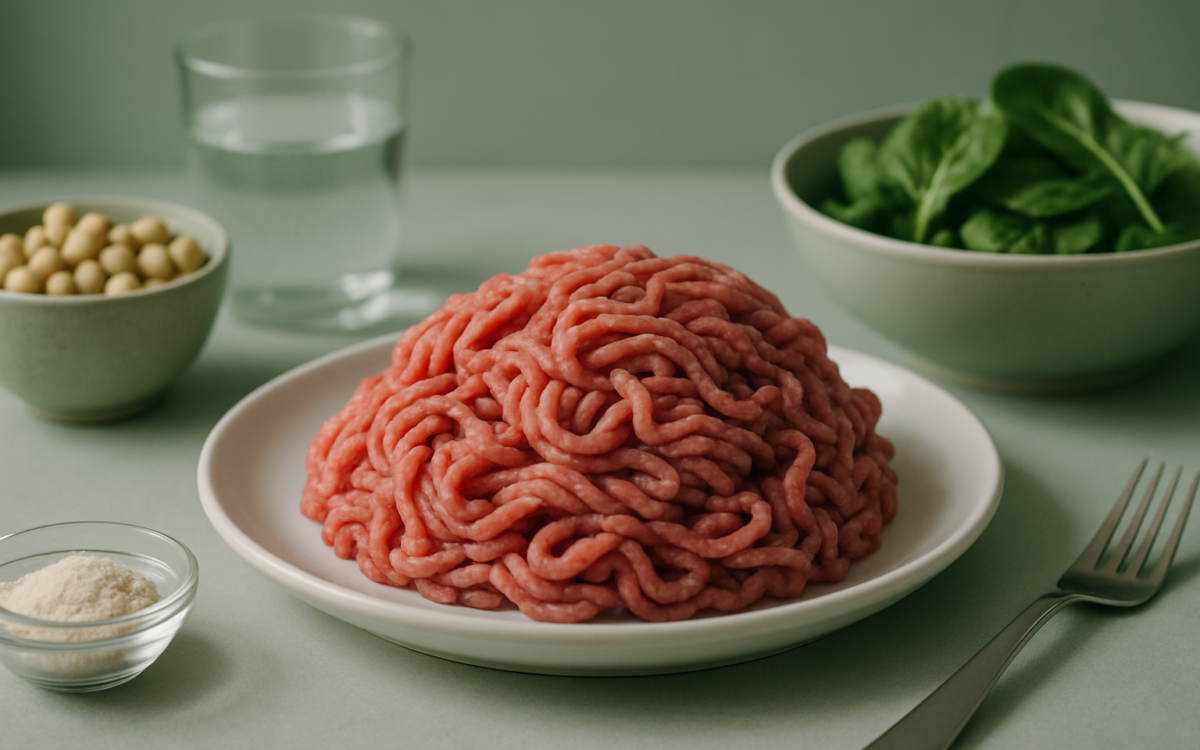
Ground beef is a staple in many households, appreciated for its versatility and rich flavor. It can be found in a variety of dishes, from burgers to meat sauces, making it a beloved choice for families. However, beyond its convenience, ground beef carries significant nutritional value that can contribute positively to a balanced diet.
What is Ground Beef?
Ground beef is made by grinding or mincing cuts of beef. The type of beef used can vary, often depending on the cut and fat content. Common cuts include chuck, round, and sirloin. The fat content is an important distinction, as it can affect both the calorie count and the nutritional profile. Ground beef is typically available in a variety of fat percentages, such as 80% lean and 20% fat or 90% lean and 10% fat.
Nutritional Breakdown of Ground Beef
A 3-ounce serving of cooked ground beef (80% lean) contains approximately:
- Calories: 232
- Protein: 22 grams
- Fat: 15 grams
- Iron: 2.5 mg
- Zinc: 5.5 mg
- Vitamin B12: 2.4 µg
- Phosphorus: 200 mg
This nutrient-dense food is particularly rich in protein, essential for muscle growth and repair, as well as for overall cellular function. Additionally, ground beef provides significant amounts of iron, which is crucial for transporting oxygen in the blood.
Health Benefits of Ground Beef
Including ground beef in your diet can offer several health benefits, especially when consumed in moderation and prepared healthily:
- Protein Source: Ground beef is an excellent source of high-quality protein, which is essential for building and repairing tissues.
- Iron Boost: The iron found in ground beef is heme iron, which is more easily absorbed by the body compared to non-heme iron found in plant sources. This is especially beneficial for individuals with higher iron needs, such as pregnant women or those with iron deficiency anemia.
- Vitamin B12: Eating ground beef can help maintain healthy nerve cells and red blood cells thanks to its high vitamin B12 content. Deficiency in this vitamin can lead to serious health issues.
- Zinc Support: Zinc is integral to immune function and wound healing. Ground beef provides a healthy dose, enhancing your body’s ability to fight off infections.
Considerations for Healthier Choices
While ground beef is nutritious, it’s essential to consider fat content and cooking methods. Choosing leaner cuts can help reduce caloric intake and saturated fat consumption.
Here are some tips for making healthier choices with ground beef:
- Opt for Lean Cuts: Choose ground beef labeled as 90% lean or higher to enjoy reduced fat content.
- Mindful Cooking: Bake, grill, or stir-fry ground beef instead of frying. This minimizes excess fat and calories.
- Drain Fat After Cooking: If you do use ground beef with higher fat content, draining the grease after cooking can help cut some calories and fat.
- Portion Control: Keeping serving sizes in check and balancing meals with plenty of vegetables can contribute to a well-rounded diet.
Ground Beef and Weight Management
For those watching their weight, ground beef can still be included in a healthy diet. The high protein content can promote satiety, helping you feel fuller for longer, which may assist in managing hunger and overall calorie intake.
Additionally, pairing ground beef with vegetables, whole grains, or legumes can create a balanced meal that supports weight management while providing essential nutrients.
Hygiene and Cooking Safety
When handling ground beef, food safety is crucial to avoid foodborne illness. Follow these guidelines when preparing ground beef:
- Wash Hands and Surfaces: Always wash your hands, utensils, and cutting boards with soap and hot water before and after handling raw meat.
- Cook Thoroughly: Ground beef should be cooked to an internal temperature of 160°F (71°C) to ensure harmful bacteria are destroyed. Use a meat thermometer to confirm.
- Store Safely: Refrigerate or freeze ground beef promptly after purchasing. Raw beef can be refrigerated for 1-2 days or frozen for 3-4 months.
When to See a Doctor
If you experience respiratory distress, fever, or gastrointestinal symptoms like severe stomach cramps or diarrhea after consuming ground beef, seek medical attention. It’s also wise to consult a healthcare provider if you have specific dietary restrictions or concerns about including red meat in your diet.
In conclusion, ground beef can be a nutritious addition to a balanced diet when prepared thoughtfully. Its high protein, iron, and vitamin content provide essential health benefits, but moderation and healthy cooking methods are key to maximizing its potential. With proper handling and preparation, you can enjoy ground beef while supporting your health.
