
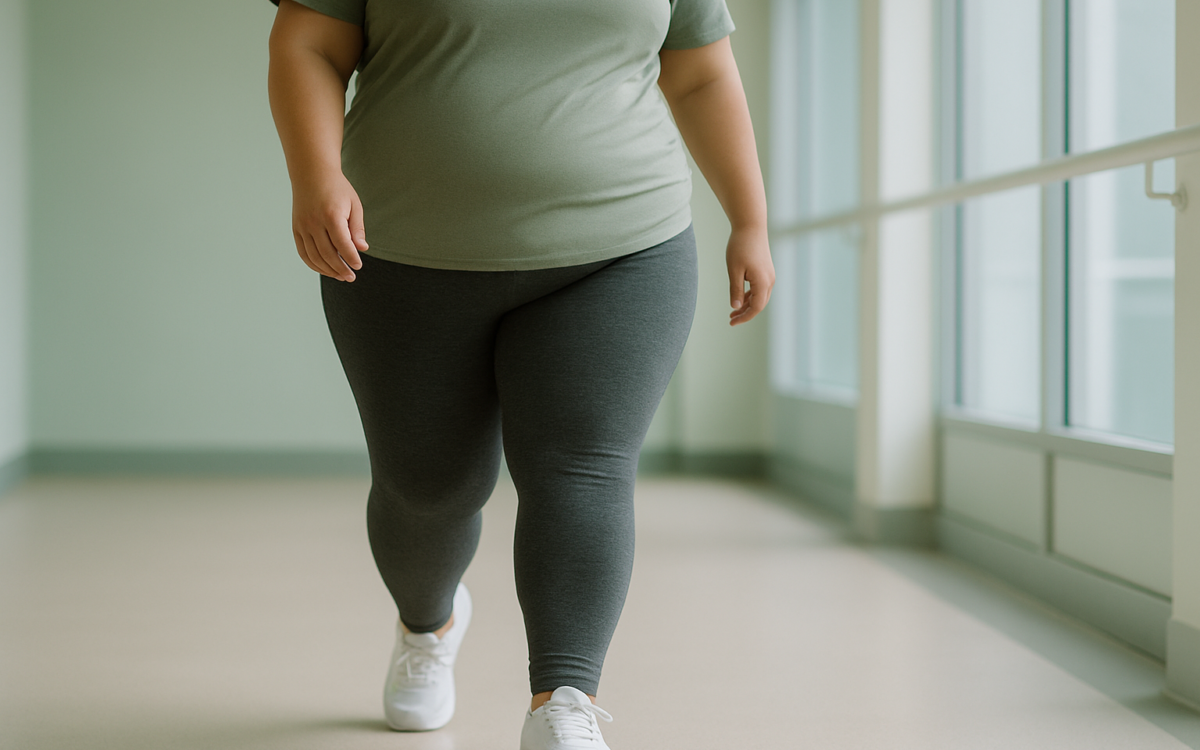
In a world where extreme diets and intense workout regimens dominate the fitness scene, it’s easy to overlook the simplest of solutions to weight loss: walking. This natural, low-impact exercise is not only accessible to nearly everyone, but it also offers a myriad of health benefits that go beyond just shedding pounds. Whether you’re a seasoned walker or a complete beginner, incorporating a walking routine into your life can help you not only lose weight but also improve your overall well-being.
Why Walking Works for Weight Loss
Walking burns calories, which is essential for losing weight. The number of calories you burn while walking depends on various factors, including your weight, walking speed, and duration. For instance, a 160-pound person can burn approximately 314 calories per hour walking at a brisk pace of 3.5 miles per hour. No matter how fast you go, walking is a fantastic way to create a caloric deficit, essential for weight loss.
The Health Benefits Beyond Weight Loss
Walking provides numerous health benefits that contribute to overall well-being:
- Improves Heart Health: Regular walking can strengthen your heart, improve circulation, and lower blood pressure. The CDC states that walking 150 minutes a week can significantly reduce your risk of heart disease.
- Enhances Mental Health: Walking can boost your mood by releasing endorphins, the body’s natural feel-good chemicals. Studies suggest that even a short walk can reduce symptoms of anxiety and depression.
- Boosts Metabolism: Walking increases your metabolism, which can help you burn calories even after you’ve finished your walk.
- Improves Mobility and Flexibility: Regular walking helps maintain joint flexibility and can prevent various musculoskeletal problems.
Getting Started: Setting Realistic Goals
Starting any new fitness routine can feel overwhelming, but walking is one of the easiest exercises to incorporate into your daily life. Here are some tips for setting realistic walking goals:
- Start Small: If you’re new to walking or exercise in general, begin with just 10-15 minutes a day. Gradually increase your time and intensity as your fitness improves.
- Set Weekly Goals: Aim for a minimum of 150 minutes of moderate-intensity walking per week, as recommended by the World Health Organization. Consider breaking this up into short 10- or 15-minute walks throughout the day.
- Use a Pedometer: Many people find it motivating to track their steps. Aim for 10,000 steps a day as a general benchmark, but adjust it based on your current activity level.
Incorporating Walking into Your Daily Routine
Integrating walking into your daily life doesn’t have to be complicated. Here are some fun and practical ways to make walking part of your routine:
- Walk During Breaks: Use breaks at work to take a quick stroll outside or around the office.
- Park Further Away: Choose a parking spot farther from your destination to increase your step count without much effort.
- Use the Stairs: Opt for the stairs instead of the elevator whenever possible, adding to your daily physical activity.
- Sign Up for Walking Groups: Join local walking clubs or group events for motivation and social interaction.
Making Your Walks Enjoyable
To stay motivated, it’s essential to enjoy your walking routine. Here are some ideas to make your walks more enjoyable:
- Listen to Music or Podcasts: Bring your headphones along and enjoy your favorite tunes or an engaging podcast as you walk.
- Experience Nature: Walk in parks, nature reserves, or along scenic routes to make your walks more visually pleasant.
- Bring a Friend: Walking with a friend can make the experience more enjoyable and help keep you accountable.
- Try Different Routes: Change your walking route often to keep things fresh and exciting.
When to See a Doctor
While walking is generally safe for most people, it’s important to consult with your doctor before starting any new exercise program, especially if you have underlying health conditions or haven’t been active for a while. Seek medical advice if you experience any unusual symptoms such as:
- Chest pain or discomfort
- Shortness of breath
- Dizziness or fainting
- Severe joint or muscle pain
Conclusion
Walking is a simple yet effective way to lose weight and improve your overall health. By embracing this low-impact exercise, you can create a sustainable routine that not only aids in weight loss but also enhances your physical and mental well-being. Remember to set realistic goals, incorporate walking into your daily life, and enjoy the process. Lace-up your shoes and hit the pavement—your body will thank you!
