
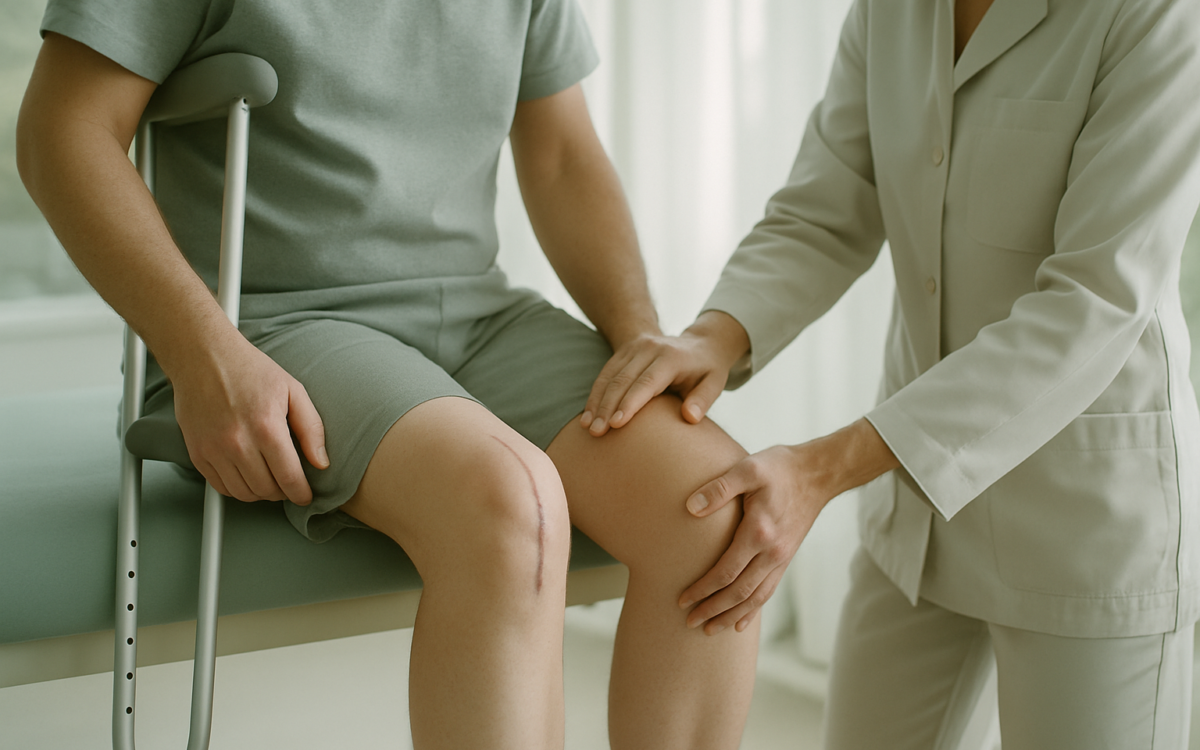
After undergoing a total knee replacement, many individuals face the crucial journey of rehabilitation. Physical therapy (PT) plays a significant role in this process, helping to restore movement, strength, and overall function of the knee. Understanding the importance of PT and what to expect can greatly influence recovery outcomes.
What to Expect from Physical Therapy
Physical therapy typically begins soon after surgery, often within the first few days. It’s essential to get started early to promote healing and ensure mobility. The initial goals of PT include:
- Reducing pain and swelling
- Improving range of motion
- Rebuilding strength in the knee and surrounding muscles
- Restoring balance and coordination
Your physical therapist will work with you to develop a tailored rehabilitation program. This program may include specific exercises focusing on flexibility, strength, and endurance. Expect to perform a mix of stretching and strengthening exercises, often adjusting as your recovery progresses.
Benefits of Physical Therapy
Engaging in a structured physical therapy program can yield numerous benefits after a total knee replacement:
- Enhanced Recovery: PT can significantly speed up your recovery, enabling you to regain independence more quickly.
- Reduced Complications: Adequate physical therapy helps prevent complications such as stiffness or blood clots, which can arise after surgery.
- Better Mobility: A focused PT approach improves your range of motion, making daily activities easier and more enjoyable.
- Increased Strength: Specific exercises help rebuild the muscles around your knee, providing better support and stability over time.
By adhering to a consistent physical therapy routine, you increase your chances of returning to your regular activities and enjoying a better quality of life.
Types of Exercises in Physical Therapy
Physical therapy will typically involve various types of exercises that can be categorized as follows:
Range of Motion Exercises
These exercises focus on moving your knee through its full range to prevent stiffness. Simple movements can include:
- Leg slides: Sliding your heel along the floor while keeping your foot flat.
- Heel slides: Bringing your heel towards your buttocks while lying down.
Strengthening Exercises
Once your range of motion improves, your therapist will introduce strength-building exercises, such as:
- Quad sets: Pressing your knee down against the bed or floor to activate your thigh muscles.
- Straight leg raises: Lying on your back while lifting your leg straight up.
Functional Activities
As you progress, your PT will include functional training, which mimics everyday activities. This may involve:
- Walking and step-ups to improve balance.
- Exercises to practice getting in and out of a chair or car.
Each of these exercise types is designed to prepare your knee for the challenges of everyday life after surgery.
Staying Motivated During Recovery
Recovering from total knee replacement can be a long process, and it’s normal to feel discouraged at times. Here are some tips to stay motivated:
- Set realistic goals: Break your recovery into small, achievable goals, such as increasing the distance you can walk each week.
- Track your progress: Keeping a diary of your exercises and milestones can help you see how far you’ve come.
- Celebrate successes: Take time to acknowledge your progress, no matter how small. Each step forward counts.
If you’re considering international options for surgical or physical therapy treatments, explore resources like acibademinternational.com, where you can find specialists who adhere to international standards in healthcare.
Additional Support Mechanisms
Physical therapy is just one aspect of your recovery journey. Several other components can enhance your experience:
- Nutrition: A healthy diet supports healing. Focus on protein, vitamins, and minerals that promote recovery.
- Pain Management: Discuss pain management techniques with your healthcare provider to ensure you remain comfortable during rehabilitation.
- Support Systems: Engaging family or friends in your recovery can provide emotional support and motivation.
All these elements combined can significantly affect your overall recovery journey.
When to See a Doctor
While physical therapy is beneficial, it’s important to keep an eye on your recovery process. If you experience any of the following, consult your doctor:
- Increased swelling or excessive pain
- Fever or chills
- Redness or warmth around the surgical site
- Difficulty bearing weight on your leg
Asking questions and expressing concerns during your recovery can help your healthcare team provide the best care possible.
Conclusion
Physical therapy after total knee replacement is an essential component that brings numerous benefits. By understanding what to expect and staying dedicated to your rehabilitation plan, you can look forward to a smoother, successful recovery. Every small step helps in reclaiming your mobility and independence.
