
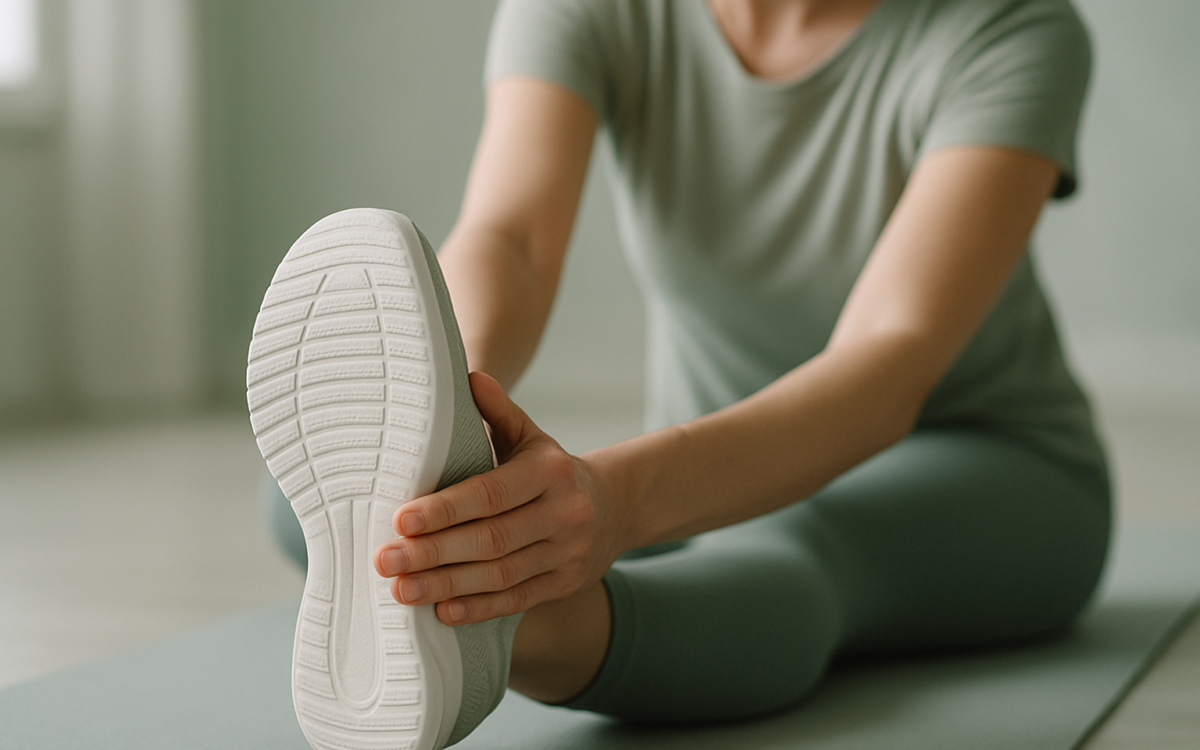
Stretching is an essential component of any physical activity. Whether you are warming up for a workout or winding down afterward, knowing how long to hold a stretch can significantly impact your flexibility and overall fitness levels. In this article, we’ll explore the science behind stretching, optimal durations, benefits, and when to consider professional advice.
The Importance of Stretching
Stretching aids in improving flexibility, enhancing performance, and reducing the risk of injuries. The body’s muscles and connective tissues benefit from being stretched, as this activity promotes circulation and prepares them for the physical activities you’ll engage in. According to the National Institutes of Health, regular stretching can help maintain the body’s range of motion.
How Long Should You Hold a Stretch?
The optimal time to hold a stretch can vary based on the type of stretch you are performing. Here’s a general guideline:
- Static Stretching: This involves stretching a muscle to its furthest point and holding it. For effective results, aim to hold static stretches for 15 to 30 seconds. Studies suggest this duration allows the muscle fibers to elongate safely.
- Dynamic Stretching: This is a more active form of stretching that might involve moving parts of your body through a full range of motion. For dynamic stretches, holding each position or movement for 2 to 5 seconds is generally recommended. The CDC emphasizes the benefits of integrating dynamic stretches as part of your warm-up routine.
- Prolonged Stretching: For individuals looking to increase flexibility significantly, holding a stretch for 30 seconds to 1 minute can be beneficial and is often practiced in yoga routines.
Different Types of Stretches
Understanding the different types of stretching is crucial for determining how long to hold a stretch.
1. Static Stretching
This is the most common type, where you stretch a muscle to a comfortable point and hold. It’s best done after workouts when your muscles are warm.
2. Dynamic Stretching
Dynamic stretches are beneficial for warming up as they mimic the movements of your upcoming workout. They involve controlled movements such as leg swings or arm circles.
3. Ballistic Stretching
This type involves bouncing movements to push your stretch beyond its normal range, which can risk injury and is generally not recommended for inexperienced individuals.
Benefits of Different Stretching Durations
Holding stretches for the right amount of time can provide unique benefits:
- 15 Seconds: This shorter duration can promote blood circulation and improve flexibility in warm muscles.
- 30 Seconds: Holding a stretch for this longer period enhances muscle elasticity, ensuring that your muscles adapt and improve in flexibility over time.
- 1 Minute: Ideal for deeper connective tissues like ligaments and tendons, this duration is often used in yoga and pilates practices, allowing for profound relaxation and recovery.
Common Stretching Myths
Misinformation can lead to ineffective stretching practices. Here are a few common myths:
- Myth: Stretching is only beneficial pre-exercise. Reality: Stretching is beneficial both before and after exercise. It’s crucial to incorporate it into your cooldown routine as well.
- Myth: You should never feel pain while stretching. Reality: While stretches should not be painful, a slight discomfort indicates you are effectively stretching the muscle. Always listen to your body.
Incorporating Stretching into Your Routine
To maximize the benefits of stretching, consider these tips:
- Include a variety of stretches targeting different muscle groups.
- Use stretching as a grace period between workout sets.
- Practice consistency by scheduling regular stretching sessions, especially after workouts.
When to See a Doctor
If you experience persistent pain during or after stretching, or if you have concerns regarding your flexibility, it’s advisable to consult a healthcare professional. Persistent pain can indicate more serious injuries, and a doctor can provide personalized advice tailored to your condition. For further reading, visit the Mayo Clinic for general health insights.
Conclusion
Understanding how long to hold a stretch is important in achieving your fitness goals. By incorporating proper stretching techniques and timings into your routine, you can enhance flexibility, prevent injuries, and facilitate better physical performance. Remember, listening to your body is essential; aim to strike a balance that works for you. Happy stretching!
