
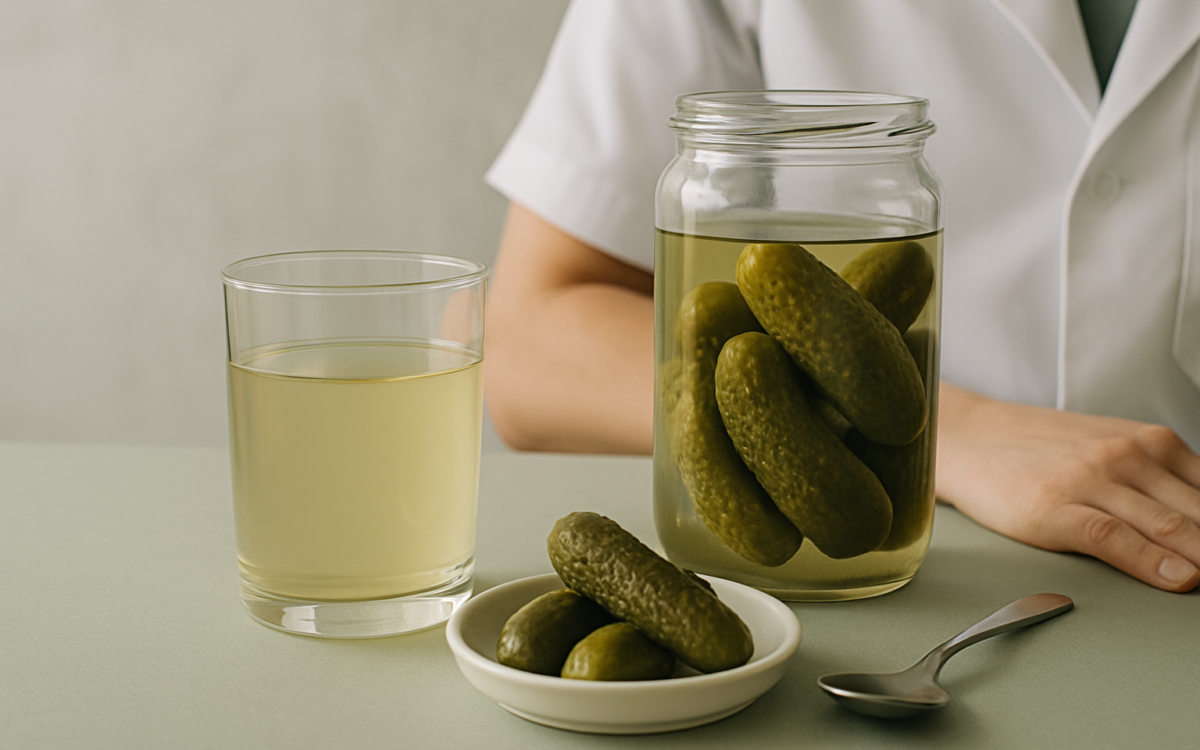
Pickle juice might seem like an odd choice when it comes to health beverages, but this tangy liquid offers a variety of advantages. Whether you’re a pickle fan or just curious about its potential benefits, understanding what pickle juice can do is essential. From hydration to digestion, let’s dive into the surprising health benefits of pickle juice.
The Nutritional Profile of Pickle Juice
Pickle juice is made from the brine used to pickle cucumbers and other vegetables. This brine typically contains water, vinegar, salt, and various seasonings. Here’s a breakdown of some of its key components:
- Electrolytes: Pickle juice contains sodium and potassium, which are important for maintaining fluid balance, muscle function, and nerve signaling.
- Vinegar: The vinegar in pickle juice has been linked to various health benefits, including improved blood sugar control and potential weight management.
- Low calories: A serving of pickle juice generally contains very few calories, making it a low-calorie option for those looking to enhance their hydration.
Hydration Helps: Can Pickle Juice Keep You Hydrated?
Staying hydrated is crucial, especially during hot weather or intense exercise. Recent studies have suggested that pickle juice may enhance hydration more effectively than plain water. The presence of sodium, an electrolyte, helps the body retain fluid, which can be beneficial when you need to recover after sweating.
One study published in the Journal of Strength and Conditioning Research indicated that consuming pickle juice could lead to faster rehydration compared to water alone. However, it’s essential to listen to your body and not rely solely on pickle juice to meet your daily hydration needs.
Muscle Cramps: A Potential Solution?
If you’ve ever experienced a muscle cramp during exercise, you know how painful they can be. Many athletes turn to pickle juice as a remedy. Some research has found that consuming pickle juice may help to alleviate muscle cramps faster than water.
The proposed mechanism is that the vinegar in pickle juice interacts with receptors in the throat that can trigger a reflex, helping to reduce muscle spasms. Although further research is needed, athletes often find relief by sipping on pickle juice during or after physical activity.
Digestive Benefits: Is Pickle Juice Good for Your Gut?
The fermentation process that cucumbers undergo when they are pickled can make pickle juice a source of probiotics, which are beneficial for gut health. These good bacteria can help maintain a balanced gut microbiome, leading to improved digestion.
Moreover, the vinegar in pickle juice has been associated with supporting digestive health. Some studies suggest that vinegar may help reduce feelings of bloating and increase digestive efficiency; however, results can vary from person to person. Mayo Clinic notes that while vinegar can aid digestion for some, it may not be suitable for everyone.
The Role of Vinegar in Pickle Juice
The acetic acid found in vinegar has been studied for its potential health benefits. For instance, it may help control blood sugar levels by slowing the absorption of sugars into the bloodstream. This can be especially beneficial for people who are prediabetic or those looking to manage their blood sugar levels.
Also, vinegar is thought to promote feelings of fullness, which may help with weight management when used sensibly. Of course, it’s essential to combine these benefits with a balanced diet and healthy lifestyle for the best effects.
How to Enjoy Pickle Juice
If you’re intrigued by the potential benefits of pickle juice, there are several ways to incorporate it into your routine:
- Sip it straight: Drinking a small amount of pickle juice after workouts may help with rehydration and muscle cramp relief.
- Add it to salad dressings: Mixing pickle juice with oil can create a zesty salad dressing.
- Use as a marinade: Incorporate it into marinades for meats or vegetables to infuse flavor.
- Combine with smoothies: While it sounds unusual, a splash of pickle juice can add an exciting twist to certain fruit smoothies, especially those with greens.
As with any health trend, moderation and balance are key. While there are benefits associated with pickle juice, it is also high in sodium, which may not be suitable for everyone. It’s essential to consider your overall dietary intake and health goals.
When to See a Doctor
If you experience severe muscle cramps frequently, unexpected digestive discomfort after consuming vinegar, or if you have any concerns about your hydration status, it is wise to consult your doctor. They can help determine the root cause of these issues and provide appropriate guidance.
Furthermore, individuals with specific medical conditions—such as hypertension or kidney issues—should be cautious with high-sodium foods like pickle juice and seek advice from healthcare professionals.
Conclusion
While pickle juice may not be a miracle health potion, it does offer several potential benefits worth considering. From aiding hydration to possibly alleviating muscle cramps and improving digestion, pickle juice is an intriguing addition to the health world. As always, it’s best to approach it in moderation and alongside a balanced diet. If you’re unsure whether it’s right for you, a consult with your healthcare provider can help guide your decisions.
