
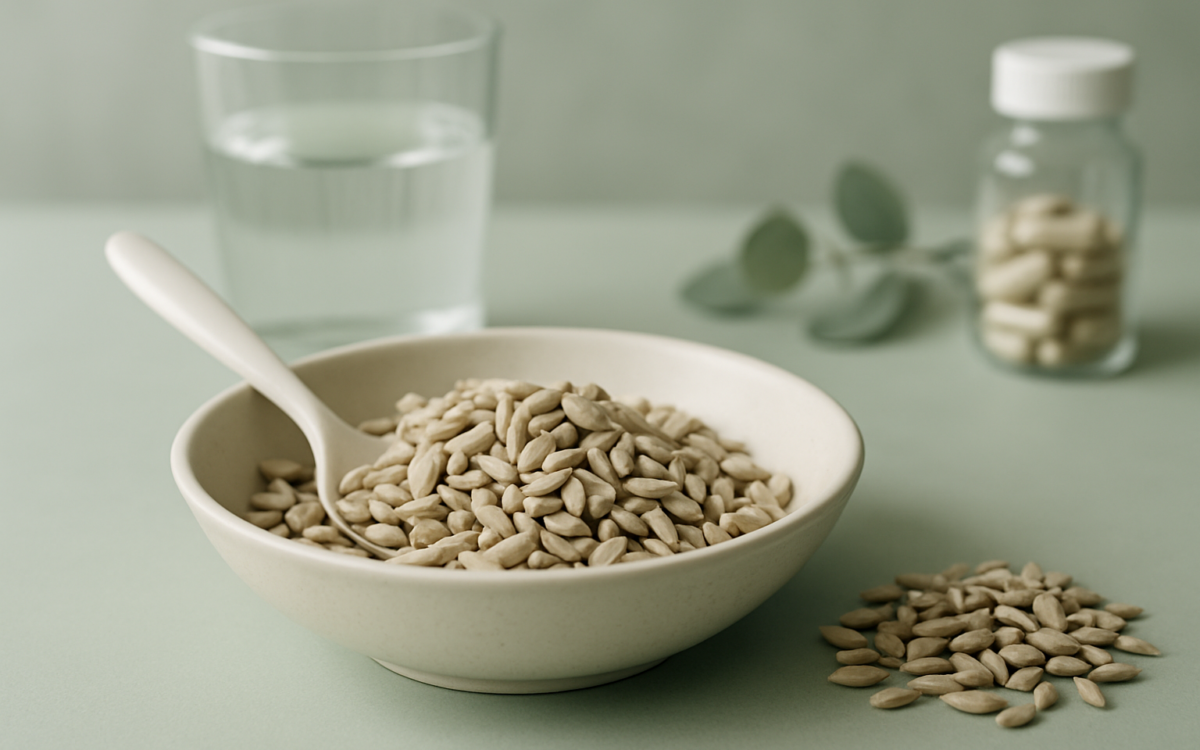
Sunflower seeds are often overlooked in the world of nutrition, yet they pack a powerful punch when it comes to health benefits. These tiny seeds, typically associated with summer picnics and backyard barbecues, are not just tasty. They are a nutrient-dense snack that can be easily incorporated into various meals. Let’s delve into what makes sunflower seeds such a valuable addition to your diet.
What Are Sunflower Seeds?
Sunflower seeds come from the sunflower plant, specifically the seeds of the large flower heads. These seeds are typically gray or black with a white stripe, and they can be consumed raw or roasted. Sunflower seeds can be enjoyed as a snack on their own or added to salads, granola, and baked goods, making them extremely versatile.
Nutritional Profile
Sunflower seeds are rich in essential nutrients that contribute positively to health. A one-ounce serving (about 28 grams) of sunflower seeds typically provides:
- Calories: 164
- Protein: 5.5 grams
- Fat: 14 grams (mostly healthy unsaturated fats)
- Carbohydrates: 6.5 grams
- Fiber: 2.4 grams
- Vitamin E: 10.5 mg (52% of the daily value)
- Magnesium: 91 mg (23% of the daily value)
- Iron: 1.5 mg (8% of the daily value)
They are especially high in vitamin E, a powerful antioxidant, as well as magnesium, copper, and manganese. Incorporating sunflower seeds into your diet can help ensure you’re getting these vital nutrients.
The Health Benefits of Sunflower Seeds
Sunflower seeds offer numerous health benefits. Here are some of the most notable:
1. Heart Health
Due to their high levels of healthy fats, fiber, and antioxidants, sunflower seeds can support heart health. Studies suggest that consuming seeds and nuts may reduce the risk of heart disease by improving cholesterol levels. The magnesium in sunflower seeds can help regulate blood pressure, further benefiting your cardiovascular system. For more information on heart health, visit the CDC website.
2. Antioxidant Properties
Sunflower seeds are an excellent source of antioxidants, particularly vitamin E. Antioxidants help combat oxidative stress in the body, reducing inflammation and protecting cells from damage. Including sunflower seeds in your diet can contribute to overall health and may lower the risk of chronic diseases, including diabetes and cancer. The National Institutes of Health highlights the role of antioxidants in disease prevention.
3. Mood and Mental Health
The presence of magnesium in sunflower seeds may also support your mood. Magnesium plays a role in regulating neurotransmitters, which send messages throughout the brain and body. Adequate magnesium intake has been linked to lower levels of depression and anxiety. Snacking on sunflower seeds can be a simple way to boost your mood and improve mental well-being.
How to Incorporate Sunflower Seeds into Your Diet
Adding sunflower seeds to your meals is quick and easy. Here are some ideas to get you started:
- Snack Time: Enjoy them plain as a nutritious snack, or try roasting them with a sprinkle of salt or spices for added flavor.
- Salads: Toss a handful of sunflower seeds into a garden salad for a delightful crunch.
- Granola and Trail Mix: Include sunflower seeds in your homemade granola or trail mix for a protein boost.
- Baking: Add them to baked goods like muffins, breads, or energy bars for added nutrition.
- Sandwiches and Wraps: Sprinkle sunflower seeds onto your favorite sandwiches or wraps for texture.
You can even incorporate sunflower seed butter as an alternative to other nut butters for a different flavor profile.
Potential Allergies and Side Effects
While sunflower seeds are generally safe for most people, it’s important to be cautious if you have a history of allergies to sunflower seeds or other seeds. Some individuals may experience allergic reactions, leading to symptoms like itching, swelling, or difficulty breathing. If you notice any adverse reactions after consuming sunflower seeds, consult a healthcare professional.
Additionally, because sunflower seeds are calorie-dense, it’s advisable to consume them in moderation, especially if you’re watching your calorie intake.
When to See a Doctor
If you experience any of the following, it might be time to consult a healthcare professional:
- Signs of an allergic reaction, such as rash or shortness of breath
- Unusual digestive issues after eating sunflower seeds
- Persistent or severe headaches or mood changes
Always consult with a doctor if you have concerns about the effects of sunflower seeds on your health.
In conclusion, sunflower seeds are a nutritious and versatile food that can provide numerous health benefits. From supporting heart health to boosting mood, they offer a wonderful addition to any diet. By incorporating them into meals and snacks, you can enjoy their delicious crunch along with their many health advantages.
