
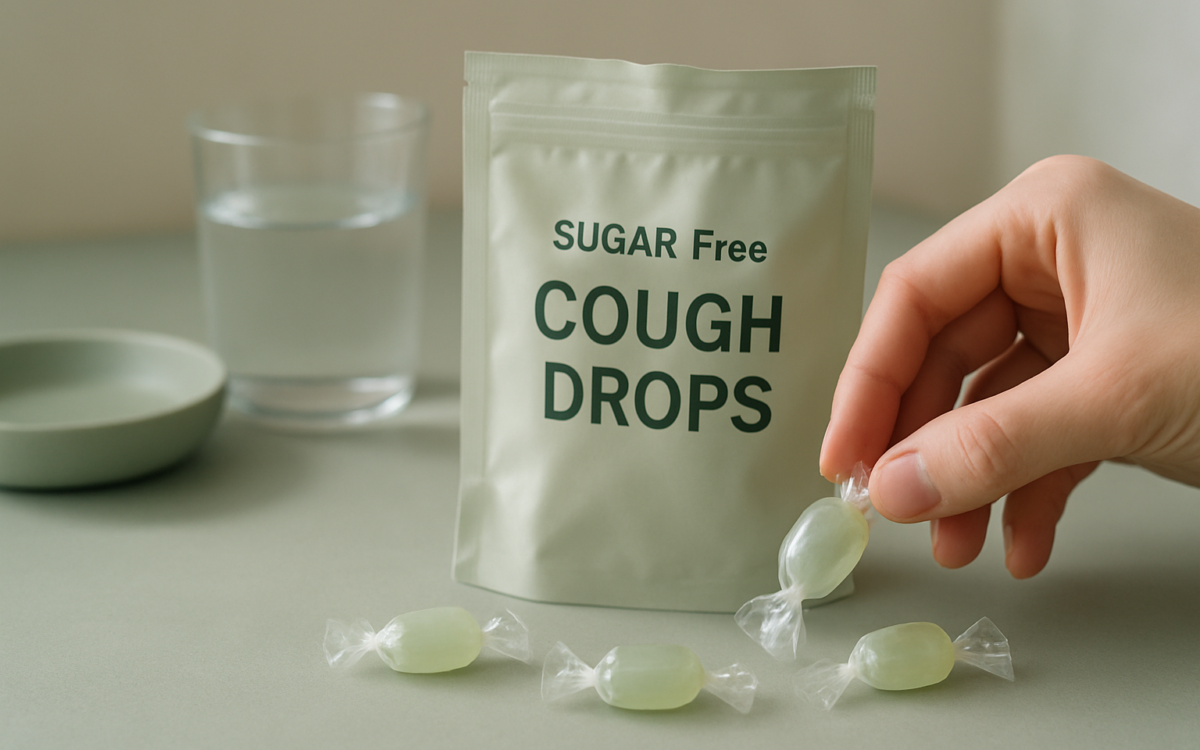
Coughing can be a real nuisance, whether it strikes with a scratchy throat, seasonal allergies, or a cold. For many, a good cough drop offers quick relief. But with growing health awareness, many people are opting for sugar-free options to avoid extra calories and manage their health better. In this article, we’ll dive into what sugar-free cough drops are, their benefits, potential downsides, and important considerations when using them.
What Are Sugar-Free Cough Drops?
Sugar-free cough drops are lozenges designed to ease throat irritation without the addition of sugar. They often use artificial sweeteners or sugar substitutes, like aspartame, stevia, or xylitol, to provide a pleasant taste while minimizing calorie intake. These drops can contain soothing ingredients like menthol, eucalyptus oil, or honey alternatives to help open airways and lessen coughing.
Benefits of Sugar-Free Cough Drops
Choosing sugar-free cough drops comes with several advantages:
- Reduced Caloric Intake: For those watching their caloric intake, sugar-free options provide relief without the extra calories.
- Dentistry Friendly: Sugar can lead to tooth decay and cavities. Sugar-free options are gentler on your teeth.
- Glycemic Control: For individuals with diabetes or those monitoring blood sugar levels, sugar-free options can help avoid spikes in glucose levels.
- Diverse Flavor Profiles: Many sugar-free cough drops come in various flavors, making them an appealing choice for all ages.
How Sugar-Free Cough Drops Work
The primary purpose of any cough drop is to soothe the throat and suppress the cough reflex. In sugar-free varieties, ingredients like menthol create a cooling sensation that can help ease throat irritation. Eucalyptus oil and other soothing agents can also aid in mucus clearance and ease congestion. Additionally, the sweet taste from sugar substitutes can make consuming these lozenges more pleasant.
Potential Downsides of Sugar-Free Cough Drops
While sugar-free cough drops offer benefits, there are some downsides to consider:
- Gastrointestinal Issues: Some sugar substitutes, like sorbitol and xylitol, can cause gastrointestinal discomfort in some people, leading to bloating or gas, especially in larger quantities.
- Allergic Reactions: As with any medication, there’s a chance of having an allergic reaction to the ingredients used in sugar-free varieties, though this is relatively rare.
- Not Always Effective: Some individuals may find that certain sugar-free options are less effective at soothing their cough compared to regular cough drops.
Choosing the Right Sugar-Free Cough Drops
When picking a sugar-free cough drop, consider the following tips:
- Read the Ingredients: Check for ingredients that may cause allergic reactions or gastrointestinal discomfort.
- Effectiveness: Consider trying different brands to find one that works best for you. Some may have different active ingredients or flavors that suit your tastes more.
- Consult with Your Doctor: If you’re uncertain about which product is best for your health condition, consider speaking with a healthcare professional.
When to See a Doctor
While cough drops can provide temporary relief, it’s essential to note when you should seek medical advice. If your cough persists for more than a week, is accompanied by high fever, chest pain, or produces discolored phlegm, you should consult a healthcare professional. They can help determine if there’s an underlying condition requiring further evaluation, such as an infection or allergies.
Conclusion
Sugar-free cough drops can be a smart option for many people looking to soothe their cough and dry throat. With benefits like reduced calories and less impact on dental health, they represent a practical choice for those mindful of their sugar intake. However, always remember to check the ingredients and listen to your body’s response. If cough persists, seeing a healthcare provider ensures you receive the best care possible.
For more information about coughs and throat health, you can visit reputable sources like the CDC or the Mayo Clinic.
