
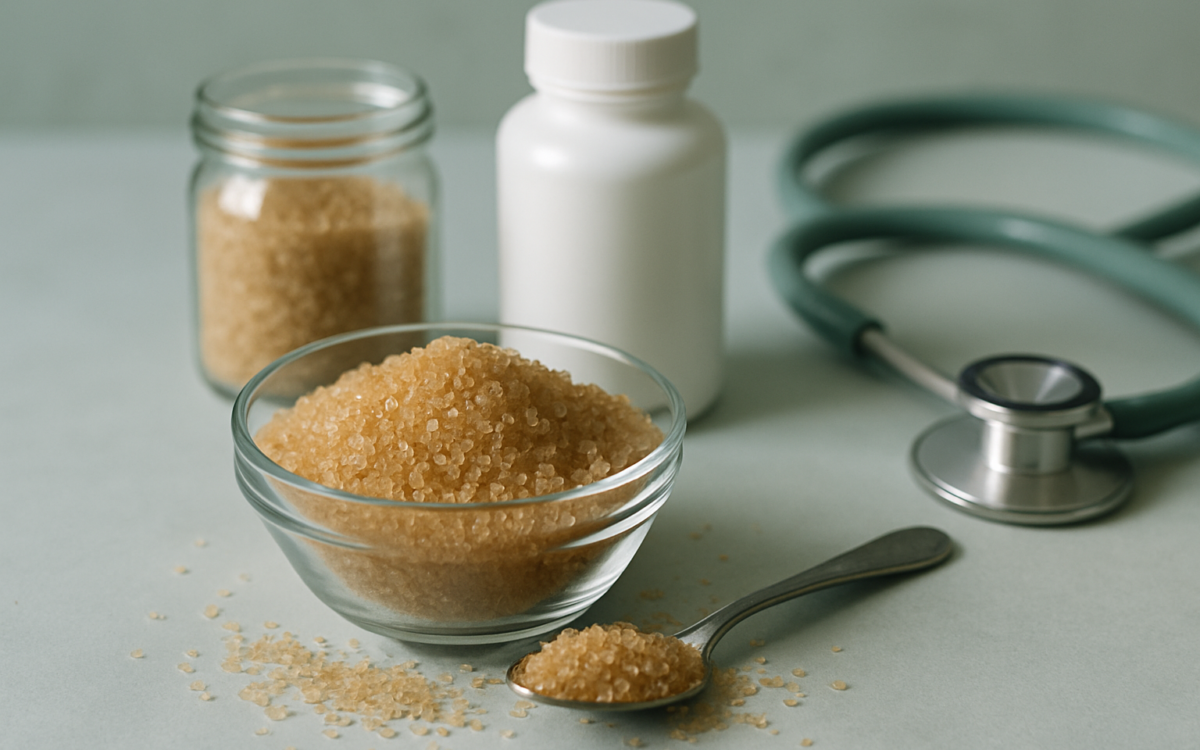
Demerara sugar is a type of unrefined cane sugar that has a rich flavor and golden-brown color. It is often praised for its unique taste and texture, making it a favorite among bakers and home cooks. Unlike regular white sugar, demerara sugar retains some of the natural molasses found in the cane, giving it a unique caramel-like flavor. But beyond its culinary uses, many are curious about its health implications. Let’s explore the characteristics, benefits, and culinary uses of demerara sugar.
What is Demerara Sugar?
Demerara sugar originates from the Demerara region in Guyana, where it was first produced. It is made by extracting the juice from sugarcane, which is then boiled, evaporated, and crystallized. The result is a coarse, golden-brown sugar that retains some of its natural molasses, contributing to its distinctive flavor and color.
Health Benefits of Demerara Sugar
While demerara sugar is still a form of sugar and should be consumed in moderation, it does have some potential benefits that differentiate it from regular white sugar:
- Mineral Content: Demerara sugar contains traces of minerals like calcium, potassium, and magnesium. While these amounts are small, they can contribute to your overall mineral intake when used in moderation.
- Lower Glycemic Index: Some studies suggest that unrefined sugars like demerara may have a slightly lower glycemic index compared to white sugar, meaning it may raise blood sugar levels more slowly. However, it’s essential to recognize that it still impacts blood sugar and should be consumed mindfully (NIH).
- Flavor and Satisfaction: The rich, caramel-like flavor of demerara sugar can enhance dishes, potentially leading to greater satisfaction and less overall sugar consumption in recipes where a small amount is adequate.
How Does Demerara Compare to Other Sugars?
When considering different types of sugar, it helps to understand how demerara stacks up against alternatives. Here’s a quick comparison:
- White Sugar: Regular white sugar is highly refined, meaning it undergoes processes that strip away most of its nutrients and flavors. Demerara holds onto some of its natural goodness, giving it a slight advantage.
- Brown Sugar: Brown sugar is made by adding molasses back into white sugar, providing a similar taste profile. However, demerara is less processed, which may appeal to those seeking a more ‘natural’ sweetener.
- Coconut Sugar: Coconut sugar is another natural alternative and contains more nutrients than white sugar. However, it can have a different flavor and cooking characteristics compared to demerara sugar.
Using Demerara Sugar in Cooking and Baking
Demerara sugar can add a delightful twist to your cooking routine. Here are some popular uses:
- Baking: It works wonderfully in cookies, cakes, and muffins, providing a subtle molasses flavor and crunchy texture when used as a topping.
- Sweetening Beverages: Try stirring demerara sugar into hot beverages like tea or coffee, where it can dissolve and add depth to the flavor.
- Granola and Oatmeal: Use it in breakfast recipes. A sprinkle over granola or oatmeal can elevate your morning meal with a hint of sweetness.
Understanding Sugar Consumption
While demerara sugar has some advantages over refined sugars, it is still a form of sugar and should be consumed sparingly. Health organizations, including the World Health Organization, recommend limiting added sugars to less than 10% of total daily caloric intake to promote overall health. Excessive sugar consumption can lead to various health issues, including weight gain, heart disease, and type 2 diabetes.
When to See a Doctor
If you have concerns about your sugar intake or its impact on your health, it’s wise to consult a healthcare professional. This is especially important if you experience symptoms of diabetes, such as frequent urination, excessive thirst, or fatigue.
Conclusion
Demerara sugar is a flavorful alternative to regular white sugar, offering some potential benefits due to its less refined nature. While it can be a delightful addition to your culinary repertoire, it’s essential to consume it and all sugars in moderation. As with any dietary choice, understanding the balance of your overall nutrient intake will support your health and wellbeing. Experience the sweet benefits of demerara sugar while remembering to enjoy it responsibly.
