
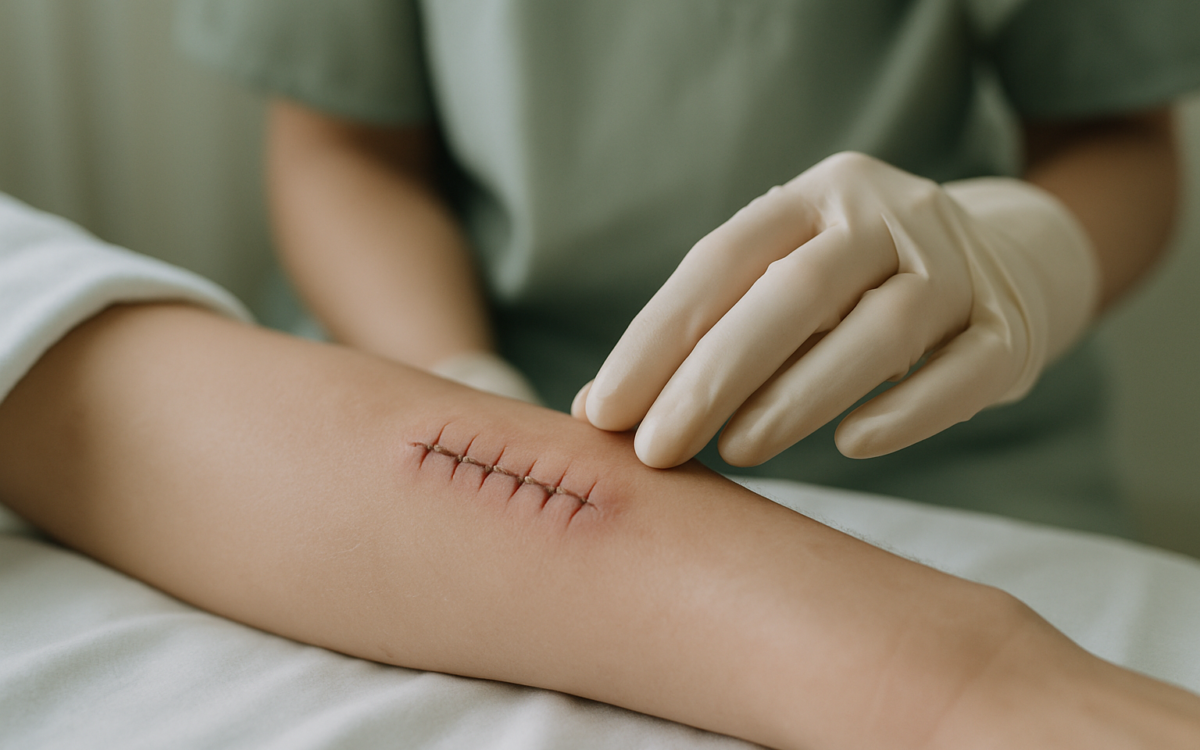
When recovering from surgery, many people encounter stitches or sutures. Some of these stitches are designed to dissolve over time, providing support to healing tissue. But how long does it take for these dissolve stitches to actually disappear? The timeline can vary based on several factors, including the type of material used, the location of the stitches, and individual healing processes.
What Are Dissolvable Stitches?
Dissolvable stitches, or absorbable sutures, are medical threads that the body can break down over time. They are commonly used in surgeries where it’s impractical or unnecessary to remove stitches later on. These sutures are made from materials like polyglycolic acid or polylactic acid, which are gradually absorbed by the body through natural metabolic processes.
Typical Dissolving Time Frames
The time it takes for dissolve stitches to fully dissolve can vary widely. Generally, you can expect the following timeframes:
- 1 week: Some very fine sutures in simple wounds or minor surgeries may start dissolving within the first week.
- 2 to 3 weeks: Most absorbable sutures will begin to lose their strength around this time frame. This is typical for many soft tissue closures and simple procedures.
- 4 to 6 weeks: More complex surgeries, such as abdominal procedures or orthopedic surgeries, may utilize stitches that take longer to dissolve completely.
- 3 months or longer: In some cases, particularly with thicker sutures or in challenging areas of the body, stitches may take several months to fully dissolve.
Keep in mind that while some sutures start dissolving within a few weeks, they might still provide support to healing tissues even after they initially dissolve. The complete breakdown of the material may take longer, depending on your body’s metabolic rate and the specific suture material.
Factors Influencing Dissolve Time
Understanding the factors that can affect how quickly dissolve stitches dissolve is important for managing your expectations:
1. Type of Material
Different materials used in absorbable stitches have varying dissolution rates. Some are designed to dissolve quickly, while others are made to last longer, depending on the surgical needs. For example, polyglycolic acid stitches generally dissolve faster than polyglactin stitches.
2. Location of Stitches
The location of the stitches can also impact their dissolving timeline. Stitches placed in areas with high tension, such as joints or the abdomen, may take longer to dissolve compared to those in more relaxed areas.
3. Individual Healing Rate
Everyone heals at a different rate. Factors such as age, overall health, nutrition, and even lifestyle choices can influence your body’s ability to absorb the stitches.
4. Type of Surgery
The complexity of the surgery itself might dictate the choice of suture material. Major surgeries might require sutures that can endure more stress and tension than minor procedures, leading to varying dissolving times.
Signs That Stitches Are Dissolving
Tracking the healing progress of your stitches can help ease concerns while you recover. Some signs that your dissolvable stitches are breaking down include:
- Decreased tightness: You may notice that the area feels less tight as the stitches dissolve.
- Changes in appearance: The stitches might darken, weaken, or appear less prominent as they dissolve.
- Reduced swelling: As your body breaks down the sutures, swelling around the site may decrease.
If you observe any concerning changes, such as increased redness, swelling, or discharge, it’s essential to consult your healthcare provider.
What to Expect During Recovery
While the stitches dissolve, it’s vital to monitor your recovery process. Here’s what to keep in mind:
1. Follow Post-Operative Instructions
Your doctor will provide guidelines specific to your surgery and types of stitches used. Following these instructions can promote healing and prevent complications.
2. Manage Discomfort
Some discomfort or tenderness around the stitches is normal, but if you experience intense pain or other symptoms, discuss them with your doctor.
3. Be Aware of Infection Symptoms
Signs of possible infection include increased pain, swelling, redness, or the presence of fluid or pus. These symptoms require prompt attention from a healthcare professional.
When to See a Doctor
While dissolve stitches typically don’t need to be removed, there are occasions when you’ll want to consult your doctor:
- If you notice signs of infection, such as fever, increased redness, or pus.
- If your stitches seem to be taking much longer to dissolve than expected.
- If the area becomes more painful without any signs of improvement.
- If any stitches protrude from the skin or do not appear to be dissolving at all.
Don’t hesitate to reach out to your healthcare provider if you have any concerns regarding your stitches, recovery process, or post-operative care.
Conclusion
Understanding the downtime for dissolve stitches can help reduce anxiety and prepare you for a smoother recovery. Individual factors play a significant role, so always consult your doctor for personalized information. After all, staying informed is one of the best ways to support your healing journey.
