
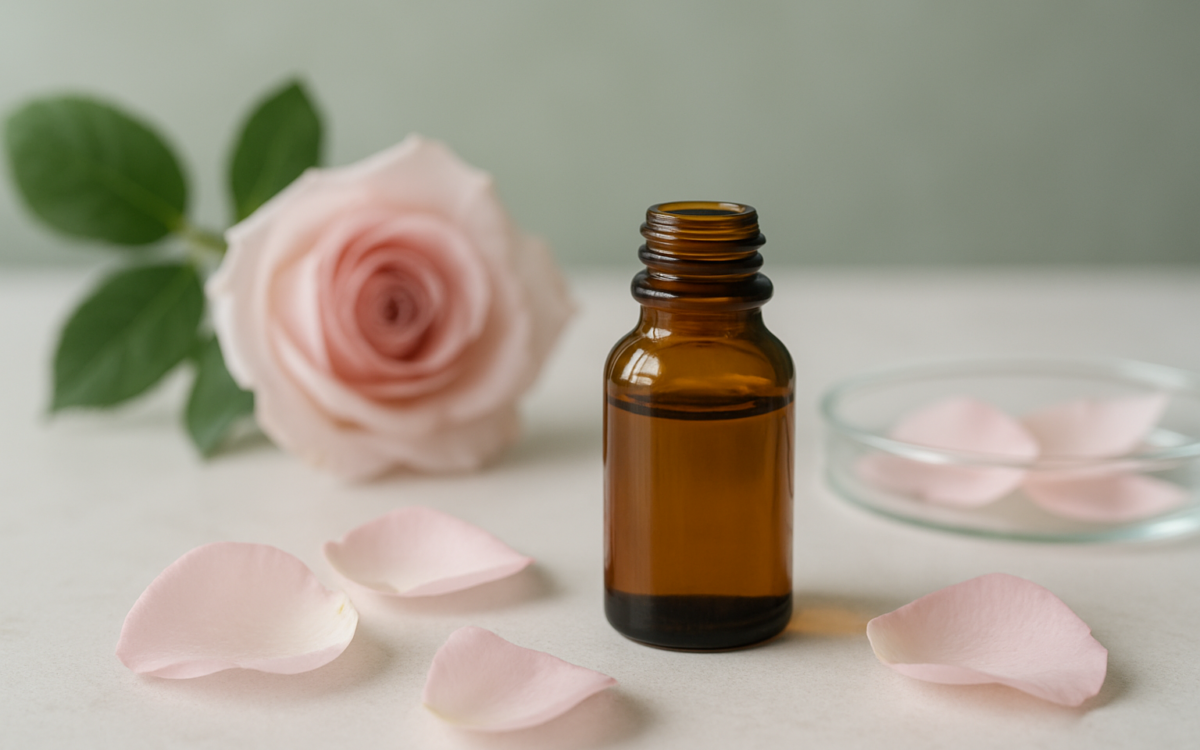
Rose essential oil, derived from the petals of the rose flower, is one of the most beloved essential oils in the world. Revered for its exquisite fragrance and potential health benefits, this oil has a rich history of use in aromatherapy, skincare, and emotional wellness. In this article, we will explore the various applications of rose essential oil, its benefits, safety measures, and more.
What is rose essential oil?
Rose essential oil is extracted from the petals of different varieties of roses, mainly Rosa damascena (Damask rose) and Rosa centifolia (Cabbage rose). The extraction process typically involves steam distillation or solvent extraction, creating a concentrated oil that captures the plant’s aroma and therapeutic properties. Its pleasing fragrance and potential benefits have made rose oil a popular choice in aromatherapy and personal care products.
The benefits of rose essential oil
Rose essential oil is celebrated for its numerous health benefits, including:
- Emotional well-being: The scent of rose oil may help reduce anxiety and depression. Studies suggest that the aroma can enhance mood and promote relaxation, making it a popular choice for stress management. According to a research published in the National Institutes of Health, rose oil’s pleasant scent can elevate mood and even alleviate feelings of sadness.
- Skin health: Rose essential oil possesses anti-inflammatory and antibacterial properties. It is often used to soothe irritated skin, reduce redness, and improve overall skin tone. Some formulations combine rose oil with a carrier oil for topical application, making it suitable for various skin types.
- Aromatherapy benefits: In aromatherapy, rose oil is used for its calming effects. It can be diffused into the air or applied to pulse points when mixed with a carrier oil. Some studies indicate that inhaling rose oil can lower cortisol levels and promote a sense of peace.
- Potential hormonal balance: Certain research suggests that rose essential oil may help support hormonal balance, particularly during menstrual cycles. However, more studies are needed in this area to fully understand its effects.
Using rose essential oil
Rose essential oil can be used in several ways to harness its benefits:
Aromatherapy
Inhaling the scent of rose oil is an effective way to enjoy its calming effects. You can do this using a diffuser, or simply add a few drops of rose oil to a bowl of hot water and inhale the steam. This method helps to reduce stress and promote relaxation.
Topical application
When applying rose essential oil to the skin, it is crucial to dilute it with a carrier oil such as coconut oil or jojoba oil. A typical dilution is around 3-5 drops of rose oil per tablespoon of carrier oil. This makes it safe for use and helps avoid skin irritation.
Bathing
Add a few drops of rose essential oil to your bath for a soothing experience. Combine it with a carrier oil or Epsom salts to help promote relaxation and relieve tension in your muscles.
Safety and precautions
While rose essential oil is generally considered safe, there are a few precautions to keep in mind:
- Skin sensitivity: Always conduct a patch test before using essential oils on the skin to check for allergic reactions. Apply a small amount of diluted oil on your wrist and wait 24 hours to see if any irritation occurs.
- Pregnant or nursing women: If you are pregnant or nursing, consult your healthcare provider before using essential oils, including rose oil, as their safety during this time is not fully established.
- Avoiding ingestion: Essential oils are potent and should not be ingested unless under the guidance of a healthcare professional. Ingesting may lead to gastrointestinal issues or toxicity.
Where to find rose essential oil
Rose essential oil is widely available and can be found in health food stores, online retailers, and specialty aromatherapy shops. It is important to look for high-quality, pure rose essential oil, preferably organic and sourced from reputable suppliers. Reading reviews and checking for third-party testing can help ensure you are purchasing a product free from harmful additives.
When to see a doctor
If you experience any adverse reactions such as persistent skin irritation, unusual headaches, or digestive issues after using rose essential oil, it’s important to consult a healthcare professional. Additionally, if you have underlying health conditions or are considering using rose essential oil for therapeutic purposes, discussing it with your doctor can provide clarity on safety and suitability.
Conclusion
Rose essential oil boasts a variety of potential benefits, from improving emotional well-being to enhancing skin health. While its fragrant aroma has been loved for centuries, modern research supports its role in promoting relaxation and soothing the skin. However, it’s essential to use it safely and be aware of any sensitivities. With the right approach, rose essential oil can be a delightful addition to your wellness routine.
