
Walking is one of the simplest, most accessible forms of exercise, offering a fantastic way to shed those extra pounds. Many consider it a low-impact option suitable for almost anyone, regardless of fitness level. Whether you aim to lose a bit of weight or maintain your current health, knowing how to effectively use walking can make a significant difference.
Understanding the Basics of Walking for Weight Loss
When it comes to weight loss, burning more calories than you consume leads to results. Walking, as a regular activity, can help achieve this balance when combined with a healthy diet. On average, a person weighing around 155 pounds can burn approximately 140 calories by walking for 30 minutes at a moderate pace of 4 miles per hour. By tracking your walks, you can effectively project your weight loss journey.
Creating Your Walking for Weight Loss Chart
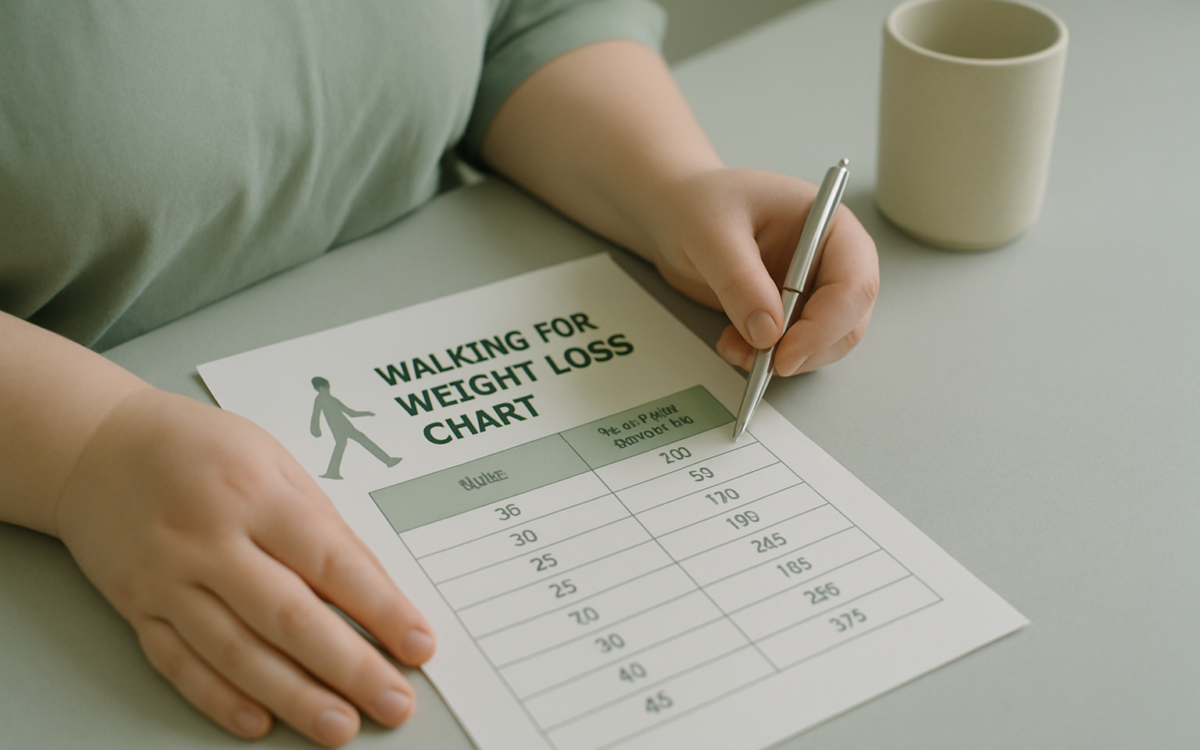
A walking for weight loss chart serves as both a motivational tool and a way to monitor your progress. Here are the essential components to include in your chart:
- Date: Record the date of each walking session.
- Duration: Note how long you walked, measured in minutes.
- Distance: Track the distance you covered, ideally in miles or kilometers.
- Calories Burned: Use estimations based on your weight and pace; there are many free online calculators.
- Steps Taken: If you have a pedometer or smartphone app, track your step count.
- Mood: Reflecting on how you felt post-walk can help in understanding your enjoyment and motivation levels.
This chart will not only provide a visual representation of your efforts but can also serve to keep you accountable.
Tailoring Your Walks for Maximum Effectiveness
As you embark on your walking journey, keep in mind the importance of tailoring your walks according to your goals. Here are some ways to enhance effectiveness:
- Vary Your Pace: Alternate between walking briskly and at a moderate pace. This technique, known as interval walking, can help increase overall calorie burn.
- Incorporate Inclines: Walking uphill or on inclined surfaces can elevate your heart rate and challenge your muscles.
- Add Strength Training: Carry light weights or use resistance bands while you walk. This adds intensity and can speed up muscle development.
For those traveling or seeking medical treatments while staying healthy, discovering options like treatment in Turkey can provide alternate resources for continued well-being.
Setting Realistic Goals for Weight Loss
Establishing achievable goals is vital for sustained weight loss success. Aim for a gradual weight reduction of 1-2 pounds per week, which is generally considered safe and sustainable. Calculate your walking goals based on your current fitness level and preferred pace. If you’re new to physical activity, consider starting with short, manageable walks and gradually increasing duration and intensity.
Recognizing Common Obstacles to Walking for Weight Loss
Like any fitness program, you may encounter barriers on your walking journey. Here are some common challenges:
- Lack of Time: Busy schedules can make it tough to stick to a walking routine. Consider short walks throughout your day or incorporating walks into family outings.
- Weather Conditions: Rain or extreme temperatures can deter outdoor activities. Consider investing in a treadmill or walking indoors at local malls.
- Motivation Fluctuations: Finding the motivation can be tough. Joining walking groups or finding a walking buddy can help keep your spirits up.
Recognizing these obstacles helps prepare for them, allowing for better strategies to manage life’s ups and downs.
Staying Consistent with Your Walking Plan
Consistency is key when walking for weight loss. Try to establish a routine by walking most days of the week. Often, morning walks can invigorate your mood and energy for the day ahead, while evening walks can help unwind and settle down at the end of your day. Additionally, tracking your progress with your walking chart can create a sense of accomplishment that will keep you motivated.
When to See a Doctor
While walking is generally safe, it’s essential to consult your healthcare provider if you experience any adverse effects. Seek medical advice if:
- You feel pain during walking that does not improve with rest.
- You have a chronic health condition that may affect your ability to exercise, such as heart disease or joint problems.
- You notice significant changes in your health status, including weight loss beyond your goals or unusual fatigue.
Always prioritize your safety and health as you engage in any new exercise program.
Embracing walking as a primary component of your fitness plan can yield incredible benefits for weight loss and overall health. By utilizing a walking for weight loss chart, setting realistic goals, and staying consistent, you’re well on your way toward achieving your desired outcomes. Remember, each step counts!
