
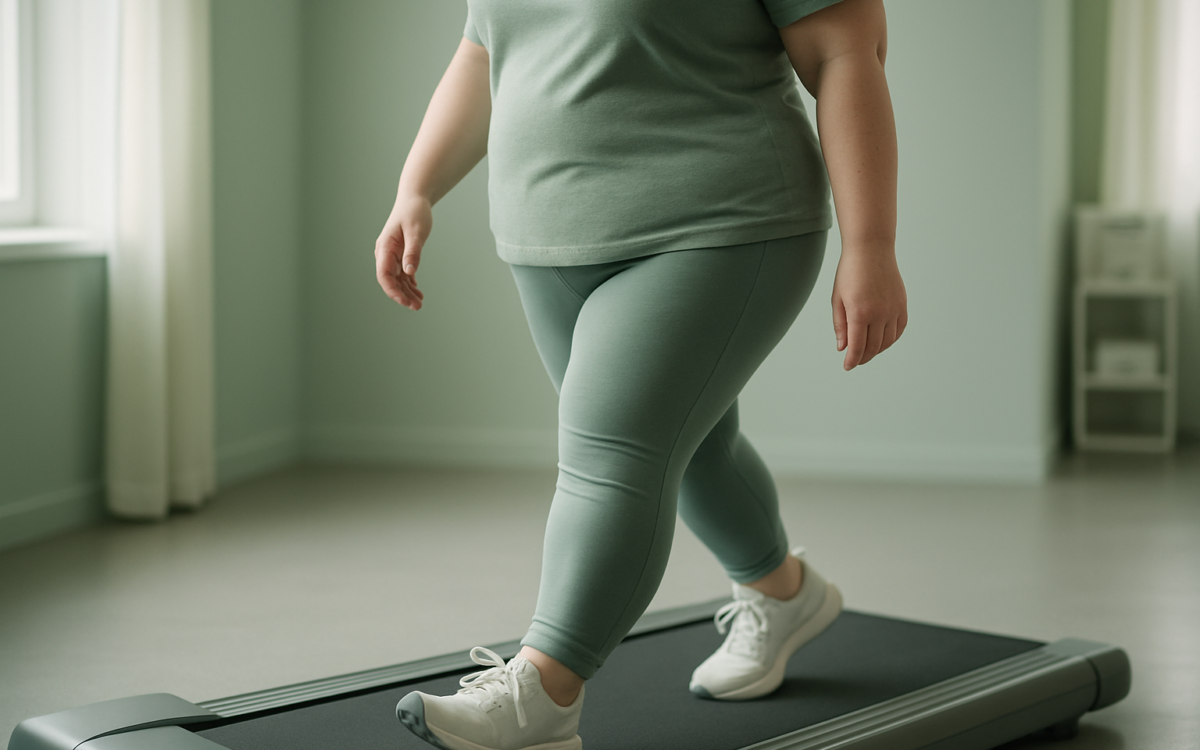
As we navigate the world of weight loss, one fact remains clear: movement is crucial. Walking is one of the simplest and most accessible forms of exercise. It requires no special equipment or membership, just a good pair of shoes and a willingness to step outside. But how much walking do you actually need to do to lose weight? In this article, we will unravel that question and provide tips on how to make walking a staple in your weight loss journey.
The Science Behind Walking and Weight Loss
The relationship between walking and weight loss is well-documented. To lose weight, you need to burn more calories than you consume. Walking is an effective way to increase calorie expenditure without overwhelming your body. According to the National Institutes of Health, even moderate physical activities like walking can lower the risk of obesity when paired with a healthy diet.
How Many Steps Should You Aim For?
The widely recommended goal of 10,000 steps per day is a good benchmark for most people. This number originated from marketing campaigns, but research supports that walking around this amount can lead to health benefits. A study published in the CDC‘s journal indicates that increasing your daily step count gradually can effectively promote weight loss and improve overall fitness.
Walking Duration and Intensity
While the number of steps is important, the duration and intensity of your walks also play significant roles in weight loss. To start, aim for at least 150 minutes of moderate-intensity walking each week, which breaks down to about 30 minutes on most days. This can be adjusted based on your personal fitness level. For those looking to increase intensity, brisk walking or incorporating hills can help burn more calories.
Measuring Your Walking Intensity
Determining your walking intensity can be straightforward. Here are a few clues:
- Moderate intensity: You can talk but not sing while walking.
- Vigorous intensity: You can only say a few words before needing to catch your breath.
Making Walking Enjoyable
Weight loss shouldn’t feel like a chore. Here are some strategies to make your walking routine enjoyable to help increase compliance:
- Explore new routes: Walking the same path every day can become boring. Try walking in parks, neighborhoods, or nature trails.
- Find a walking buddy: A friend can make your walks more enjoyable and keep both of you accountable.
- Listen to music or podcasts: Bringing entertainment into your walk can enhance the experience.
- Set small goals: Start with simple targets, such as a 10-minute walk, then gradually increase your time and distance.
Combining Walking with Other Fitness Activities
While walking alone can aid in weight loss, combining it with other forms of exercise can boost results. Incorporate strength training exercises at least two days a week, which can help build muscle and increase metabolism. Common exercises include lunges, squats, and push-ups. Combining both cardio and strength training can enhance overall fitness and weight loss efforts.
Tracking Your Progress
Keeping track of your walking can help you stay motivated. Consider using apps that monitor your steps or work with a pedometer. Logging your distance, duration, and calories burned can help you visualize your progress and stay committed to your weight loss goals.
When to See a Doctor
Before starting any new exercise program, it’s advisable to consult with your doctor, especially if you have existing health conditions or concerns. They can provide insights tailored to your specific health needs and circumstances.
Final Thoughts
Walking is a powerful and straightforward tool for weight loss. By understanding how much walking is optimal for your situation, setting achievable goals, and making the experience enjoyable, you can create a sustainable routine that contributes positively to your weight loss journey. Remember, consistency is key. So, lace up those shoes, step outside, and enjoy the journey towards a healthier you!
