
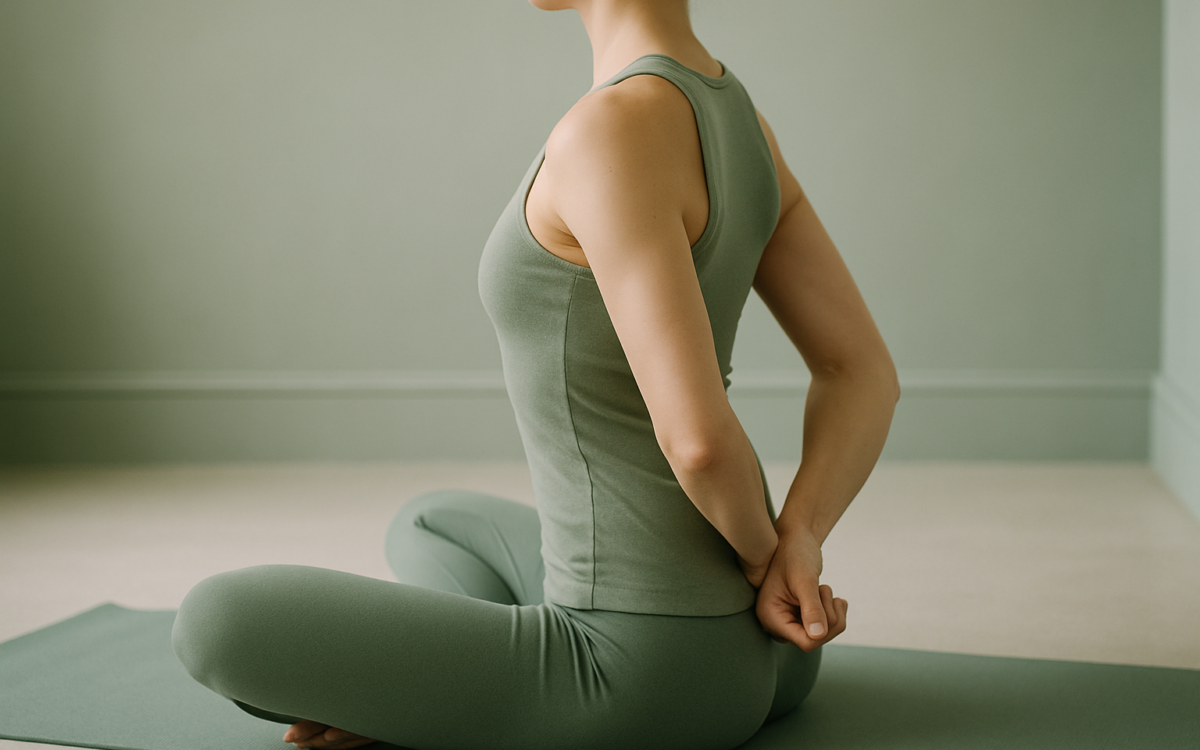
In today’s world, many of us spend hours hunched over screens, whether at work, during our leisure time, or while commuting. This can lead to poor posture, which affects our health, energy, and even confidence. Luckily, yoga offers a pathway to better posture, helping to realign the body, strengthen muscles, and create a sense of overall balance and wellness.
The Importance of Good Posture
Good posture is more than just standing up straight; it’s about maintaining the natural curves of your spine and having alignment that supports your body efficiently. Proper posture can reduce the risk of back pain, enhance your breathing, and improve circulation. Additionally, optimal body alignment promotes better bodily functions and can increase your self-confidence.
How Yoga Helps Improve Posture
Yoga emphasizes the connection between mind, body, and breath. Through various poses and mindful practices, yoga can lead to physical changes that positively affect posture. Here’s how:
- Strengthening Muscles: Yoga builds strength in key muscle groups that support posture, such as the core, back, and shoulders.
- Enhancing Flexibility: Many yoga poses help to stretch tight muscles that can pull you out of alignment, allowing for better body mechanics.
- Promoting Awareness: Yoga encourages mindfulness, helping you develop a better sense of body awareness. This understanding can lead to more conscious posture choices throughout your day.
Key Yoga Poses for Better Posture
Here are some effective yoga poses that target common areas of tension and misalignment:
1. Mountain Pose (Tadasana)
This foundational pose helps to establish good posture by aligning your body from head to toe. Stand tall with your feet together, weight evenly distributed, and arms relaxed by your sides. Engage your thighs and lift your chest. Breathe deeply to feel your posture enhance.
2. Cat-Cow Stretch (Marjaryasana-Bitilasana)
This dynamic duo of poses gently warms up the spine while improving flexibility. Start on your hands and knees in a tabletop position. As you inhale, arch your back and look up (Cow Pose), then exhale, round your spine and tuck your chin (Cat Pose). Repeat several times.
3. Child’s Pose (Balasana)
Child’s Pose provides a wonderful stretch for the back and helps to relieve tension in the spine. From a kneeling position, bring your big toes together, sit back on your heels, and stretch your arms forward, resting your forehead on the mat. Hold this pose to release any built-up tension.
4. Plank Pose (Phalakasana)
A strong core is essential for good posture. Plank Pose engages multiple muscle groups, helping to stabilize the body. From a push-up position, keep your body in a straight line, holding for 30 seconds to a minute. Focus on maintaining breathing and alignment.
5. Bridge Pose (Setu Bandhasana)
This pose strengthens the back and opens the chest, which can counteract the slouched posture often developed from sitting too much. Lie on your back with your knees bent, feet hip-width apart. Press your feet into the ground to raise your hips upward, keeping your shoulders on the mat.
Practicing Yoga Regularly
The key to seeing significant benefits from yoga is consistency. Aim to practice at least two to three times a week. Integrate sessions into your routine, whether through classes, online tutorials, or individual practice. Even short, daily sessions can lead to incremental improvements in your posture over time.
For those considering seeking medical intervention or international treatment for chronic postural issues, exploring international patient services can provide options tailored to your needs.
Tips for Maintaining Good Posture Outside of Yoga
Improving posture is not only about practicing yoga; it’s also about being mindful throughout your day. Incorporating the following tips can help:
- Be mindful while sitting: Sit all the way back in your chair, with both feet on the ground and your back straight.
- Change your setup: If you work at a desk, ensure your monitor is at eye level and that your chair supports your lower back.
- Take breaks: Stand, stretch, and move around every 30 to 60 minutes to counteract the effects of prolonged sitting.
When to See a Doctor
If you experience chronic pain, discomfort, or significant postural issues that affect your quality of life, it’s essential to consult a healthcare professional. They can help diagnose underlying conditions and recommend appropriate treatments, which may include physical therapy, medication, or chiropractic care.
Conclusion
Improving your posture through yoga can lead to several physical and mental benefits. By incorporating specific poses into your routine and being mindful in your daily activities, you can promote a healthier, more aligned posture. Embrace the journey of self-care, and appreciate how these practices can enhance your well-being.
