
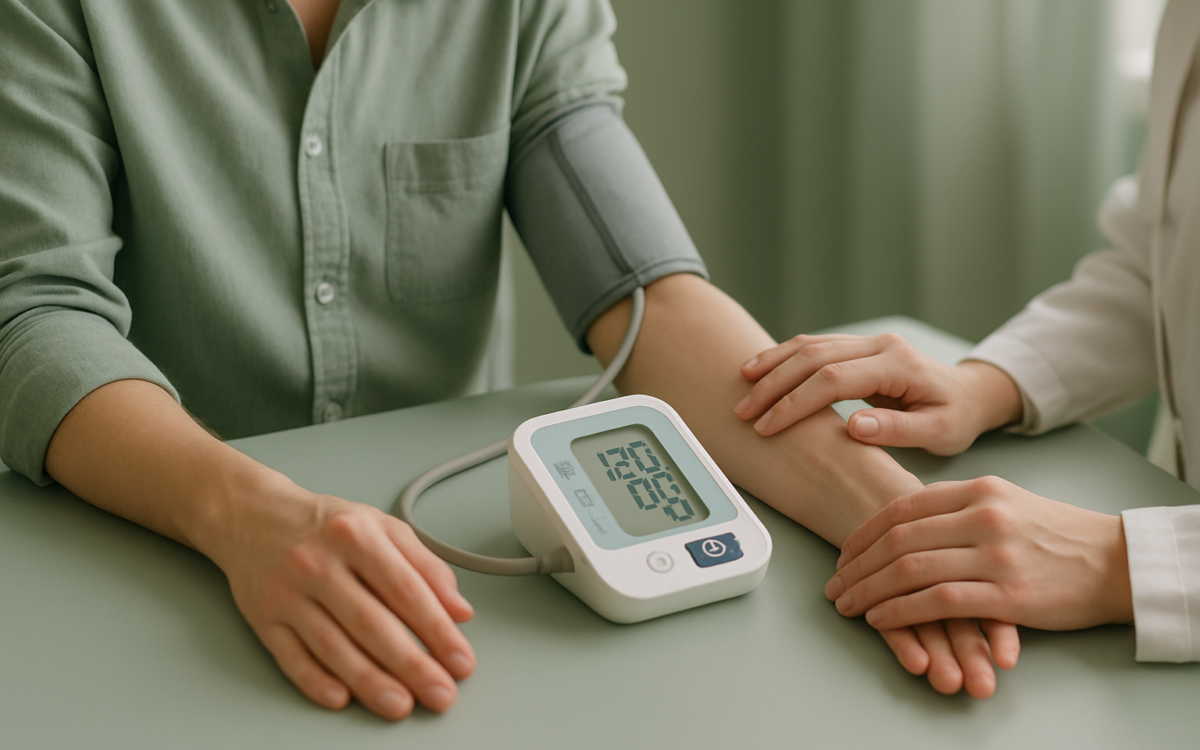
When it comes to health, blood pressure is one of the key indicators we often hear about. A blood pressure reading of 120/80 mmHg is frequently touted as the ideal benchmark for adults. But what does this number mean for your health? In this article, we’ll unpack the details behind this reading, why it’s significant, and how you can maintain a healthy blood pressure.
What Does 120/80 Blood Pressure Mean?
The numbers in a blood pressure reading represent two different measurements: systolic and diastolic pressure. Systolic pressure, the first number (120 in this case), measures the pressure in your arteries when your heart beats. Diastolic pressure, the second number (80), measures the pressure in your arteries when your heart rests between beats.
A reading of 120/80 mmHg is categorized as ‘normal’ by health organizations like the World Health Organization (WHO) and Centers for Disease Control and Prevention (CDC). This means your blood vessels are under optimal pressure, reducing your risk for heart-related diseases.
Why Is 120/80 Considered Ideal?
A blood pressure reading of 120/80 is often linked to a lower risk of heart attack, stroke, and other cardiovascular diseases. Studies show that maintaining this level can significantly improve long-term health and reduce the likelihood of developing hypertension, which is categorized as a reading of 130/80 mmHg or higher.
According to the Mayo Clinic, when blood pressure rises above normal levels, it places extra strain on your heart and blood vessels, increasing the risk for serious health issues over time.
Factors That Influence Blood Pressure
While genetics play a role in your blood pressure, several lifestyle choices can have a significant impact. Key factors include:
- Diet: Eating a balanced diet rich in fruits, vegetables, whole grains, and lean proteins can help maintain healthy blood pressure levels.
- Exercise: Regular physical activity strengthens the heart, leading to better blood circulation and lower blood pressure.
- Weight: Maintaining a healthy weight is crucial. Obesity can increase the strain on your heart and raise blood pressure.
- Stress: Chronic stress can contribute to hypertension. Finding effective stress management techniques can improve overall health.
- Alcohol and Tobacco: Excessive alcohol consumption and smoking are both linked to higher blood pressure. Moderating or eliminating these habits can benefit your cardiovascular health.
How to Monitor Your Blood Pressure
Monitoring your blood pressure is essential for maintaining optimal health. You can keep track of it through the following methods:
- Home Monitors: Investing in a home blood pressure monitor allows you to check your levels regularly and track changes over time.
- Doctor’s Visits: Regular check-ups with your healthcare provider can help detect any changes in your blood pressure early.
- Understand Your Readings: Familiarize yourself with what different readings mean. For example, readings above 120/80 mmHg may require lifestyle adjustments or medical evaluation.
Common Myths About Blood Pressure
Various misconceptions can cloud our understanding of blood pressure. Here are some common myths debunked:
- Myth 1: Only older adults need to worry about blood pressure.
Reality: High blood pressure can affect individuals of all ages, so early monitoring is vital. - Myth 2: You’d feel symptoms if your blood pressure is high.
Reality: High blood pressure often has no symptoms, making it crucial to check your levels regularly. - Myth 3: Low blood pressure is always good.
Reality: While low blood pressure is less concerning, too low can lead to dizziness and fainting. It’s essential to find a balance.
When to See a Doctor
If you consistently measure high blood pressure readings (above 120/80), it’s essential to consult a healthcare professional. Regular check-ups are vital, especially if you have risk factors like obesity, a sedentary lifestyle, or a family history of heart disease.
Additionally, if you experience symptoms like severe headaches, dizziness, or shortness of breath, seek medical attention promptly.
Conclusion
A blood pressure reading of 120/80 mmHg is often celebrated as a marker of good health. Understanding what these numbers mean, their significance, and how to maintain them through lifestyle choices is crucial for your overall well-being. Keeping track of your blood pressure and understanding how it can fluctuate can empower you to take charge of your health. Remember, regular consultations with your healthcare provider are key to maintaining a healthy heart.
