
When it comes to heart health, understanding your body’s signals is crucial. One condition that can cause disruptions in heart rhythms is 2nd degree heart block type 1, also known as Wenckebach phenomenon. This article will delve into what 2nd degree heart block type 1 is, its causes, symptoms, treatment options, and when to seek medical help.
What is 2nd Degree Heart Block Type 1?
2nd degree heart block type 1 is a cardiac condition that can affect how well your heart beats. In this type of heart block, some electrical signals fail to reach the ventricles of the heart, leading to missed beats. The condition is typically characterized by a gradual lengthening of the PR interval before a dropped beat occurs. One way to remember this is to think of it as “longer, longer, drop.”
How Does the Heart Normally Function?
To understand 2nd degree heart block type 1, it’s essential to know how a healthy heart works. The heart has an electrical conduction system that controls the heart’s rhythm. Electrical impulses start in the sinoatrial (SA) node, travel through the atria, and reach the atrioventricular (AV) node, where they then pass to the ventricles. A smooth flow of electricity allows for a coordinated heart rhythm that efficiently pumps oxygenated blood throughout the body. When this flow is disrupted, as seen in heart block, it can lead to a variety of symptoms and complications.
What Causes 2nd Degree Heart Block Type 1?
There are several potential causes of 2nd degree heart block type 1:
- **Age**: As people age, the electrical pathways in the heart may become less efficient.
- **Coronary artery disease**: This condition can hinder blood flow to the heart muscle, affecting its function.
- **Medications**: Certain medications, particularly those used to treat high blood pressure or arrhythmias, can interfere with heart conduction.
- **Myocarditis**: An inflammation of the heart muscle can disrupt normal electrical signaling.
- **Electrolyte imbalances**: Levels of sodium, potassium, and calcium are vital for normal heart function; imbalances can disrupt the electrical signals.
What Are the Symptoms?
Many people with 2nd degree heart block type 1 may not experience noticeable symptoms. However, if symptoms do occur, they may include:
- **Dizziness or lightheadedness**: This is often due to reduced blood flow to the brain.
- **Fatigue**: A reduced heart rate can lead to a feeling of tiredness.
- **Palpitations**: Some individuals may feel skipped beats or a fluttering sensation in their chest.
- **Fainting**: In some instances, people may faint, particularly during physical activity.
How is 2nd Degree Heart Block Type 1 Diagnosed?
If your doctor suspects you have 2nd degree heart block type 1, they will likely conduct a physical examination and order tests to confirm the diagnosis. Common diagnostic tests include:
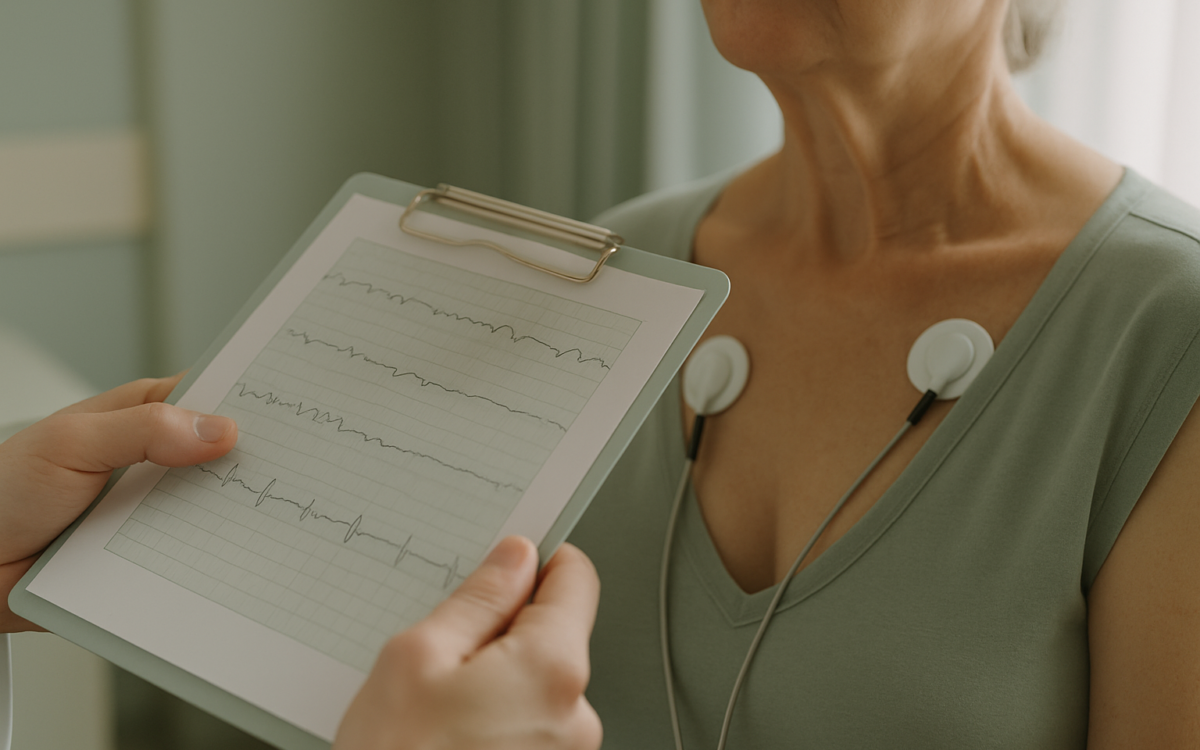
- **Electrocardiogram (ECG or EKG)**: This test records the heart’s electrical activity and can directly show the presence of heart block.
- **Holter monitor**: This portable device records your heart’s rhythm over 24-48 hours, which is useful for capturing intermittent heart block.
- **Event monitor**: Similar to a Holter monitor, this device is worn for a longer duration and activated when symptoms occur.
For more detailed information on heart block diagnostics, you can visit sources like the Mayo Clinic.
Treatment Options for 2nd Degree Heart Block Type 1
In many cases, 2nd degree heart block type 1 does not require immediate treatment, especially if the individual is not experiencing symptoms. Monitoring may be all that is necessary. However, if symptoms are present or if the heart block is found to be progressive, treatment options may include:
- **Medication adjustments**: If heart block is related to medication, your doctor might adjust prescriptions or dosages.
- **Pacemaker**: In more severe cases or if symptoms persist, your doctor may recommend a pacemaker to help keep the heart beating at a regular pace.
Regular follow-ups with your healthcare provider will ensure that any changes are monitored closely. For further information about pacemakers, check out the Cleveland Clinic.
When to See a Doctor
If you are experiencing symptoms such as dizziness, fainting, or sudden fatigue, it is essential to consult a healthcare professional promptly. These signs can indicate that the heart is not pumping effectively and may require further evaluation.
Conclusion
2nd degree heart block type 1, while concerning, is often manageable and does not always lead to significant health issues. By staying informed about your heart health and maintaining regular check-ups with your doctor, you can better understand your heart’s rhythm and any changes that might occur. Remember, early detection and appropriate action are key to managing any health condition effectively.
