
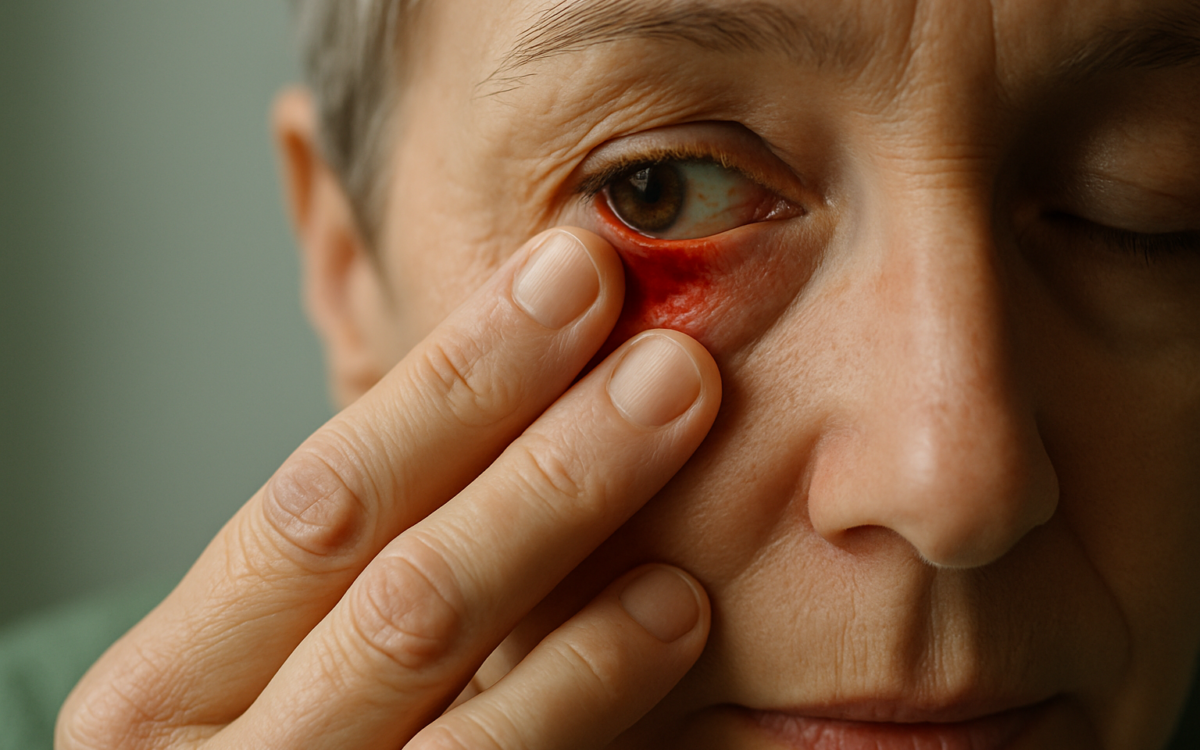
Have you ever noticed a sudden bruise or an unusual spot of blood, and wondered what it meant? A burst blood vessel, also known as a rupture, can happen anywhere in the body. This condition can take many forms, from a tiny capillary bursting in your skin to more serious issues such as bleeding in the brain or eyes. Understanding what causes these ruptures is essential for recognizing when medical attention may be needed.
What Is a Burst Blood Vessel?
A burst blood vessel occurs when a blood vessel, which can be an artery, vein, or capillary, tears open. This can lead to bleeding in the area or even more severe consequences, depending on where and how significant the rupture is. While some instances may be harmless, others can signal a more serious health issue.
Common Causes of Burst Blood Vessels
Several factors can lead to a blood vessel bursting. Here are a few of the most common causes:
- Trauma or Injury: Physical injury from falls, accidents, or sports can damage blood vessels, causing them to burst.
- High Blood Pressure: Uncontrolled hypertension puts extra pressure on blood vessel walls, increasing the risk of rupture over time. For more on the effects of high blood pressure, you can visit CDC’s guidelines on blood pressure.
- Age: As we age, our blood vessels can become less elastic and more vulnerable to rupture.
- Medical Conditions: Certain conditions like diabetes can weaken blood vessels, making them more prone to bursting. According to the Mayo Clinic, diabetes complications can lead to significant health issues.
- Over-exertion: Activities that involve heavy lifting or intense physical activity can also strain blood vessels, particularly in individuals who may already have underlying health issues.
Symptoms to Watch For
The symptoms of a burst blood vessel can vary widely depending on where the rupture occurs. Here are some general indications to look out for:
Skin Bruising
When tiny capillaries burst close to the skin’s surface, they can cause bruises, which may appear as large purple or blue spots. While these are commonly harmless, they should be monitored.
Red or Brown Spots
Small bursts of capillaries can appear as red or brown spots on the skin, known as petechiae. These often don’t hurt but can indicate underlying issues, particularly if they appear suddenly.
Vision Changes
If a blood vessel bursts in the eye, it may lead to sudden vision changes or the appearance of red spots. This may not be painful, but if you experience any vision problems, it’s important to consult a healthcare professional.
Severe Headaches
A sudden, severe headache could signify a more serious issue, like a brain bleed, especially if accompanied by nausea, vomiting, or a stiff neck.
Abdominal Pain
If you experience sudden abdominal pain coupled with severe bruising, this could indicate internal bleeding from a burst vessel. This requires immediate medical attention.
Potential Complications of a Burst Blood Vessel
While many burst blood vessels are minor and resolve on their own, some can lead to serious complications:
- Internal Bleeding: A significant rupture can cause internal bleeding, which might require immediate medical intervention.
- Vision Loss: Blood vessel ruptures in the eye can cause vision damage if not treated promptly.
- Stroke: A burst blood vessel in the brain can lead to a hemorrhagic stroke, a serious medical emergency. Symptoms include loss of balance, confusion, and difficulty speaking.
When to Seek Medical Attention
While not every burst blood vessel necessitates a trip to the emergency room, knowing when to seek help is crucial:
- If you experience sudden, severe headaches or vision changes.
- If you notice unexplained bruising or red spots that are increasing in size.
- If you have abdominal pain along with signs of bruising.
Consult your healthcare provider if you have underlying health issues like high blood pressure or diabetes, and notice any changes in your body that concern you.
Understanding Treatment Options
The treatment for a burst blood vessel largely depends on its location and severity:
- Monitoring: Small, non-severe ruptures may only require monitoring for new symptoms.
- Rest and Ice: For superficial bruising, resting the area and applying ice can help reduce swelling.
- Medications: Your doctor may prescribe medications to control blood pressure or manage any underlying conditions that predispose you to burst vessels.
- Surgery: In serious cases, such as a ruptured vessel in the brain, surgical intervention may be necessary.
Conclusion
Understanding the implications of a burst blood vessel can help you stay vigilant about your health. While many instances are harmless, being aware of symptoms and potential complications is key to ensuring your well-being. If you have concerns or experience symptoms suggestive of more severe issues, don’t hesitate to contact a healthcare professional for guidance. It’s always better to err on the side of caution when it comes to your health.
