
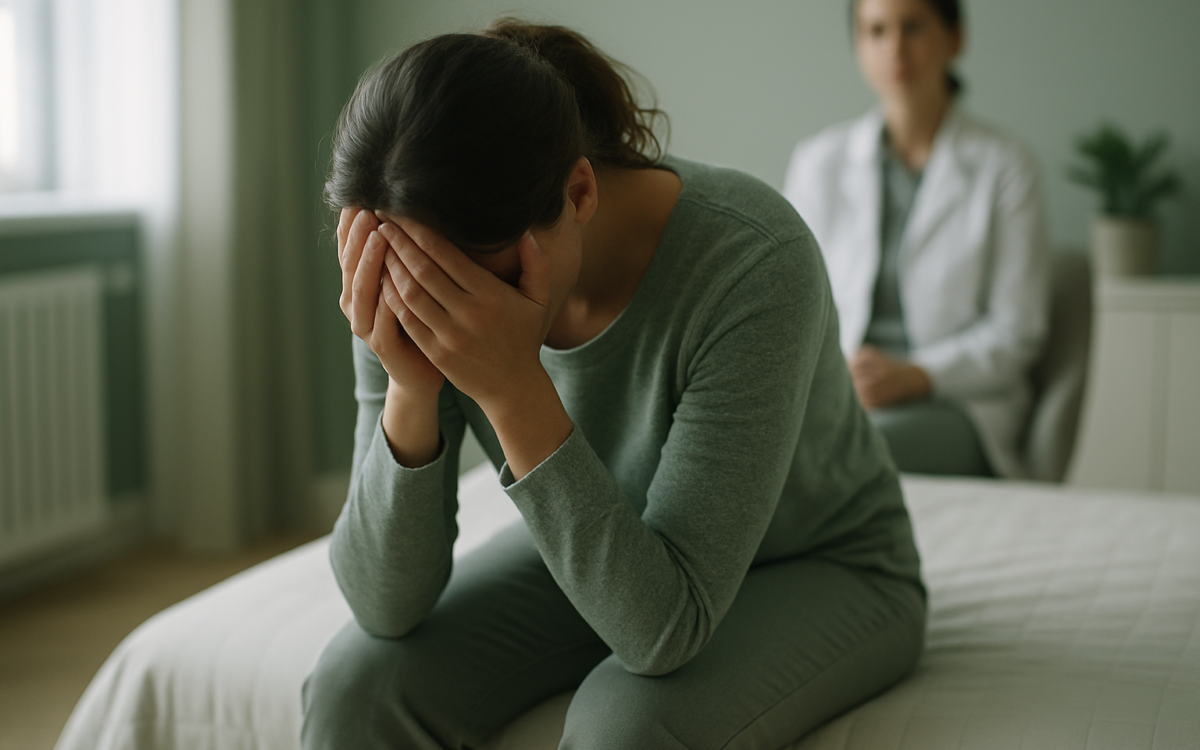
A depressive episode is more than just feeling sad or having a rough day. It’s a serious mental health condition that can affect anyone, regardless of age or background. During a depressive episode, individuals experience persistent feelings of sadness, hopelessness, and a lack of interest in daily activities. Understanding the signs and causes of this condition is essential for finding effective treatment and support.
What is a depressive episode?
A depressive episode is a period of sustained depression that lasts for at least two weeks. It can be categorized under major depressive disorder (MDD) and is recognized by specific symptoms that interfere with one’s ability to function daily. The core symptoms include:
- Persistent sadness or low mood
- Loss of interest or pleasure in activities once enjoyed
- Feelings of guilt or worthlessness
- Difficulty concentrating or making decisions
- Changes in appetite or weight
- Sleep disturbances, such as insomnia or excessive sleeping
- Fatigue or low energy
- Thoughts of death or suicide
Signs and symptoms of a depressive episode
People experiencing a depressive episode may show different signs and symptoms. Recognizing these can help both individuals and their loved ones identify when professional help is needed. Some common indicators include:
- Withdrawal from friends and family
- Neglecting personal responsibilities, such as work or school
- Experiencing physical symptoms, like headaches or stomach problems without a clear cause
- Increased irritability or restlessness
- Substance abuse as a means to cope with emotional pain
What causes a depressive episode?
The causes of a depressive episode are complex and can vary from person to person. Factors that contribute to the onset of depression may include:
- Genetics: A family history of depression can increase the likelihood of experiencing a depressive episode.
- Chemical imbalances: Changes in neurotransmitters, the brain’s chemical messengers, can disrupt mood regulation.
- Trauma or stress: Major life changes, loss, or prolonged stress can trigger depressive episodes.
- Medical conditions: Chronic illnesses or hormonal changes can also lead to depression.
- Environmental factors: A lack of social support or challenging living conditions can contribute.
Coping strategies during a depressive episode
While a depressive episode can be overwhelming, there are several strategies individuals can use to cope with their symptoms:
- Stay connected: Reach out to friends and family. Sharing feelings with loved ones can provide support and lessen feelings of isolation.
- Establish a routine: Keeping a daily schedule can help create a sense of normalcy and stability.
- Practice self-care: Engaging in activities that promote well-being, such as exercise, reading, or creative hobbies, can elevate mood.
- Mindfulness and relaxation: Techniques like meditation, deep breathing, and yoga can help reduce anxiety and improve overall mental health.
- Seek professional help: Consulting a doctor or mental health professional can lead to effective treatments such as therapy or medication.
For those seeking treatment options beyond their home country, exploring international patient services can provide access to specialized mental health care and support.
Treatment options for depressive episodes
There are several established treatments for depression, and understanding your options is crucial.
- Psychotherapy: Various forms of therapy, including cognitive-behavioral therapy (CBT), can help individuals manage their depressive symptoms and address the underlying issues.
- Medication: Antidepressants may be prescribed to help balance chemicals in the brain that affect mood.
- Support groups: Connecting with others who are experiencing similar challenges can foster understanding and encouragement.
- Lifestyle changes: Incorporating exercise, a healthy diet, and adequate sleep can complement other forms of treatment and enhance recovery.
When to see a doctor
If you or someone you know is experiencing symptoms of a depressive episode, it’s essential to consult with a healthcare provider. You should seek medical attention if:
- Symptoms persist for more than two weeks
- Symptoms interfere with daily life and responsibilities
- Thoughts of self-harm or suicide occur
- There’s an increase in substance use as a coping mechanism
Conclusion
Recognizing and understanding a depressive episode is the first step toward getting help. If you or someone you know shows symptoms of depression, reach out for support and explore treatment options. Remember, you’re not alone, and there is help available.
