
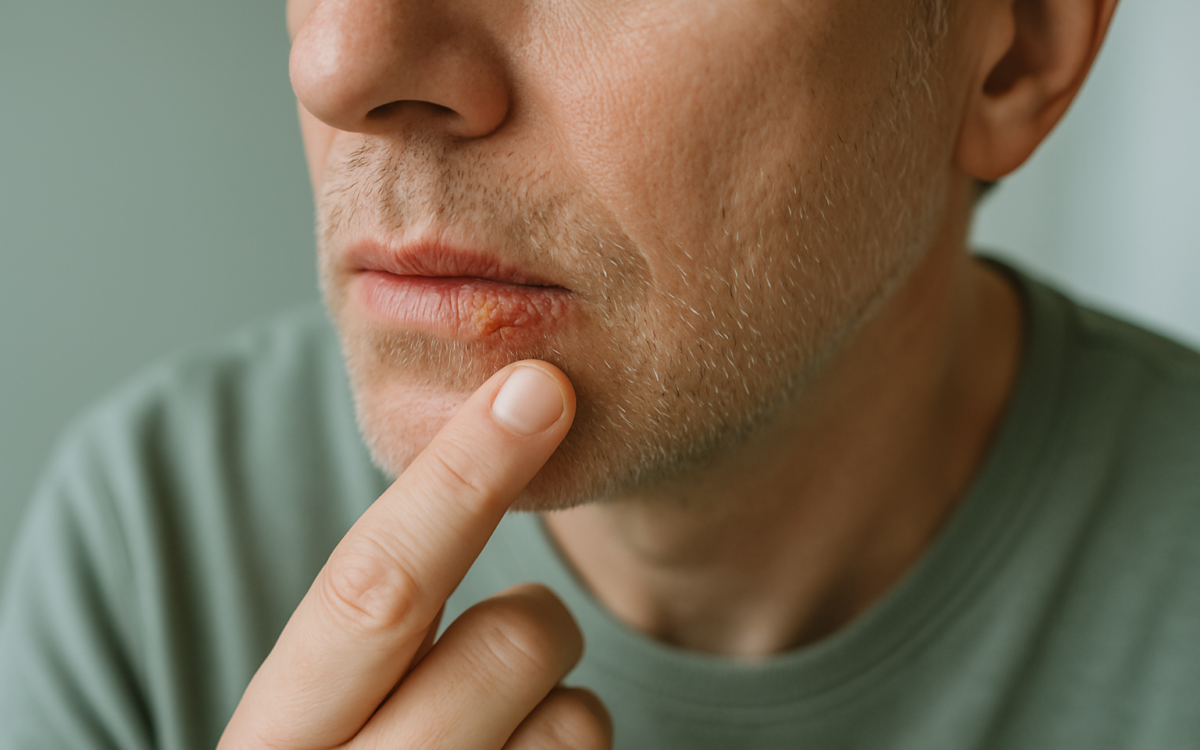
Have you ever noticed dry, scaly, or discolored patches on your lips that just don’t seem to heal? If you spend a lot of time outdoors or have a history of sun exposure, you might be dealing with a condition known as actinic cheilitis. This condition, while not always severe, warrants attention because it can lead to complications if left untreated.
What Is Actinic Cheilitis?
Actinic cheilitis is a type of lip condition caused by long-term sun exposure. It primarily affects the lower lip, where the skin is thinner and more susceptible to sun damage. This condition is characterized by changes in color and texture of the lip. Over time, actinic cheilitis can cause the skin on your lips to become rough, scaly, and may lead to ulcers or sores.
Causes of Actinic Cheilitis
The main culprit behind actinic cheilitis is ultraviolet (UV) radiation from the sun. When your lips are frequently exposed to the sun without adequate protection, the skin cells can become damaged. Other factors contributing to this condition include:
- Fair skin: People with lighter skin types have less melanin, making them more susceptible to sun damage.
- Age: The risk of developing actinic cheilitis increases with age, as the skin loses its natural protective qualities over time.
- Immunosuppression: Individuals with weakened immune systems might be at higher risk for various skin cancers, including those originating from actinic cheilitis.
Symptoms to Watch For
Recognizing the symptoms of actinic cheilitis early can lead to better outcomes. Common signs include:
- Dryness and scaling of the lips
- White or gray patches
- Red, inflamed areas around the lips
- Synergistic symptoms like soreness or tenderness
- Cracking of the lips, especially at the edges
If these symptoms persist, it may indicate a progression of the condition that requires medical attention.
Diagnosis of Actinic Cheilitis
Diagnosing actinic cheilitis typically involves a physical examination by a healthcare professional. During the exam, your doctor may:
- Assess the appearance of your lips
- Review your medical history, including sun exposure
- Ask about any symptoms you might be experiencing
In some cases, a dermatologist might perform a biopsy to rule out other conditions, such as squamous cell carcinoma, especially if the symptoms are severe or unusual. You can learn more about the condition through reliable resources, such as the NIH or the Mayo Clinic.
Treatment Options
If diagnosed with actinic cheilitis, there are several treatment options available to manage the condition and prevent progression. Treatment may include:
- Topical therapies: Creams or ointments containing 5-fluorouracil or imiquimod can help by reducing the abnormal cells on the lips.
- Cryotherapy: This involves freezing the affected tissue to promote healing.
- Laser therapy: Some patients may benefit from laser treatments that target damaged skin cells.
Your doctor will suggest the most appropriate option based on the severity of your condition and your overall health.
Prevention Tips
Preventing actinic cheilitis is largely about protecting your skin from harmful UV rays. Here are some practical tips:
- Use lip balm with SPF: Choose a lip balm that offers broad-spectrum protection. Reapply it throughout the day, especially when you’re outdoors.
- Avoid peak sun hours: Try to stay indoors or in the shade when the sun’s rays are strongest, typically between 10 AM and 4 PM.
- Wear a hat: A wide-brimmed hat can provide extra shade for your face and lips.
- Stay hydrated: Keeping your lips hydrated can help them withstand harsh sun conditions.
When to See a Doctor
If you notice persistent changes in your lips or experience any symptoms indicating discomfort or pain, it’s essential to consult a doctor. Early detection can make a significant difference in your treatment and prevention of more severe issues.
Conclusion
Understanding actinic cheilitis is vital for anyone who spends significant time outdoors. Recognizing the symptoms, knowing the risk factors, and seeking appropriate treatment can help protect your lips from the damaging effects of the sun. Play it safe by consulting your healthcare provider if you notice concerning changes in your lip health.
