
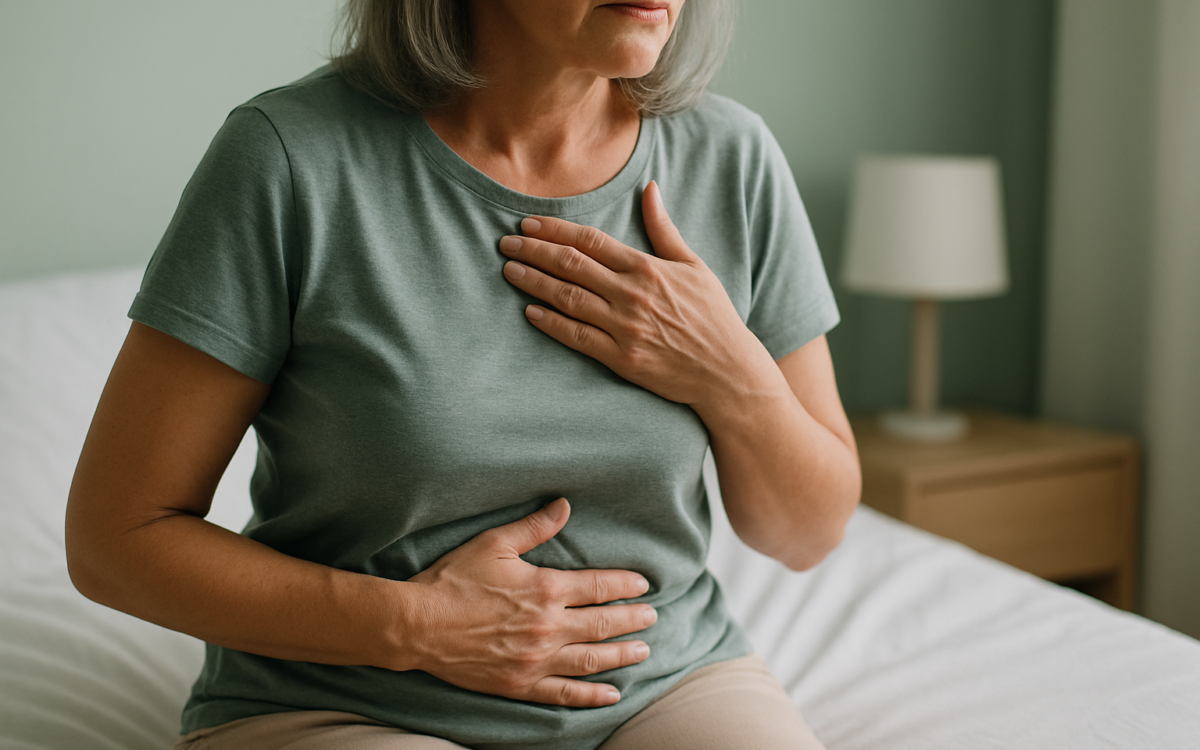
Menopause marks a significant transition in a woman’s life, bringing an end to menstrual cycles and hormonal changes that can impact overall health. After menopause, many women experience a range of symptoms that can vary greatly in intensity and duration. Understanding these symptoms can help in managing this new chapter more effectively.
What Happens Post-Menopause?
After menopause, typically defined as 12 months without a menstrual period, women’s bodies continue to change. Hormone levels, primarily estrogen and progesterone, fluctuate and eventually settle at lower levels, leading to various symptoms. While some women sail smoothly into this phase, others may encounter several issues that can affect their quality of life.
Common After Menopause Symptoms
Symptoms after menopause can vary, but some of the most common include:
- Hot Flashes: Sudden feelings of warmth in the upper body, often accompanied by sweating and an increased heart rate.
- Night Sweats: Excessive sweating during sleep that can disrupt rest.
- Vaginal Dryness: This can lead to discomfort during intercourse, increased urinary tract infections, and other issues.
- Mood Changes: Many women report increased irritability, anxiety, or depression.
- Sleep Disturbances: Difficulty sleeping or insomnia, particularly related to night sweats, can be a concern.
- Weight Gain: Changes in metabolism can lead to weight gain, particularly around the abdomen.
- Bone Health: A decline in estrogen can increase the risk of osteoporosis, making bones weaker and more prone to fractures.
- Changes in Skin and Hair: Many women notice thinning hair, dry skin, and a loss of elasticity.
Managing Symptoms: Lifestyle Changes
While some symptoms may require medical intervention, many can be managed through lifestyle changes. Here are a few strategies that may help:
- Healthy Diet: A balanced diet rich in fruits, vegetables, whole grains, and lean proteins can improve overall health and may alleviate some symptoms.
- Regular Exercise: Staying active can help manage weight, improve mood, and strengthen bones. Aim for at least 150 minutes of moderate aerobic activity each week.
- Hydration: Drinking plenty of water can help combat dryness and improve overall health.
- Stress Reduction: Techniques such as yoga, meditation, or deep breathing exercises can reduce anxiety and improve mood.
Medical Treatments for Menopause Symptoms
If lifestyle changes are not enough, various medical treatments are available to help manage symptoms:
- Hormone Replacement Therapy (HRT): HRT can help alleviate symptoms like hot flashes and vaginal dryness by supplementing estrogen and, in some cases, progesterone.
- Non-Hormonal Medications: Certain antidepressants and medications like gabapentin or clonidine may help reduce hot flashes.
- Vaginal Estrogen: Available as a cream, tablet, or ring, this treatment can help with vaginal dryness and discomfort.
- Bone Health Medications: Medications to strengthen bones can be critical for preventing osteoporosis.
Emotional Well-being after Menopause
Emotional and mental health can also take a toll during and after menopause. Hormonal changes, life adjustments, or personal circumstances can lead to increased feelings of anxiety or sadness.
It’s essential to communicate openly with healthcare providers about these feelings. Counseling or joining support groups can facilitate positive coping strategies and provide encouragement from others experiencing similar changes.
Coping with Sexual Health Changes
Sexual health can be affected greatly after menopause due to physical changes, including vaginal dryness and reduced libido. Open communication with partners is vital in navigating this new territory. Here are some tips to consider:
- Use Lubricants: Water-based lubricants can alleviate discomfort during intercourse.
- Explore New Intimacy: Finding alternative ways to connect with a partner emotionally and physically can help alleviate sexual pressures.
- Consult a Professional: Discussing sexual concerns with a healthcare provider can lead to personalized solutions.
When to See a Doctor
It’s important to discuss any concerning symptoms with your healthcare provider, especially if they interfere with daily life. You should seek medical advice if you experience:
- Severe mood swings or feelings of hopelessness
- Excessive hot flashes or night sweats that disrupt sleep
- Pain during intercourse that does not resolve
- Signs of osteoporosis, such as back pain or fractures
Your healthcare provider can help assess your symptoms, offer support, and suggest appropriate treatment options.
After menopause, your body undergoes significant changes. Understanding the possible symptoms and management options helps ensure a healthy and fulfilling postmenopausal life.
For more information on menopause and after menopause symptoms, you can refer to sources such as the NIH, Mayo Clinic, and WHO.
