
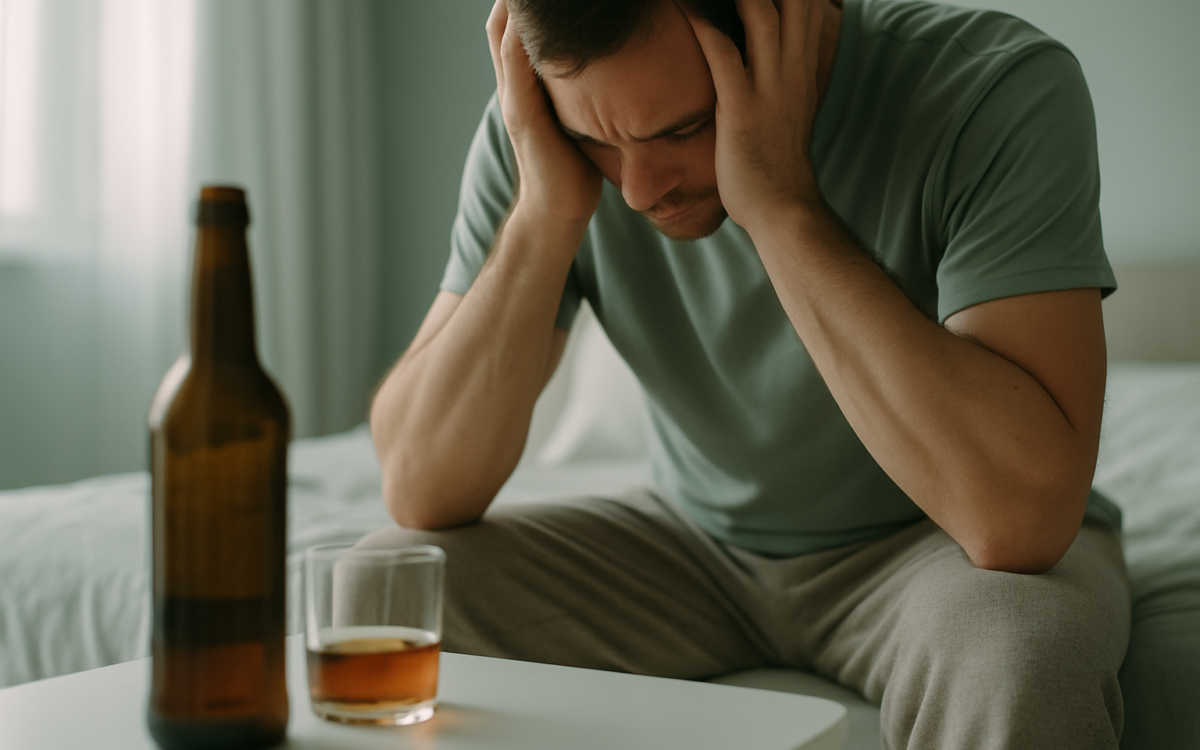
Deciding to cut down or stop drinking alcohol can be a significant and positive step toward better health. However, if someone has been drinking heavily for an extended period, they may experience alcohol withdrawal symptoms when they stop. Understanding these symptoms is essential for anyone considering reduction or cessation, as they can vary in severity and duration.
What Are Alcohol Withdrawal Symptoms?
Alcohol withdrawal symptoms occur when someone who has been drinking heavily suddenly decreases or stops their alcohol intake. These symptoms can range from mild to severe and may occur within hours to days after the last drink. Common symptoms can include:
- Anxiety
- Tremors or shaking
- Nausea and vomiting
- Increased heart rate
- Insomnia
- Hallucinations
- Seizures in severe cases
Timeline of Withdrawal Symptoms
Understanding the timeline of alcohol withdrawal can help prepare individuals for what to expect:
1. Early Symptoms (6-12 Hours)
Early symptoms can begin as soon as six hours after the last drink. These may include:
- Shakiness or tremors
- Increased anxiety
- Nausea
2. Peak Symptoms (24-72 Hours)
Symptoms typically peak within 24 to 72 hours and can intensify during this time. In addition to the early symptoms, individuals may experience:
- Increased heart rate and blood pressure
- More severe anxiety and agitation
- Hallucinations and delirium tremens (DTs) in severe cases
3. Gradual Improvement (4-7 Days)
After 72 hours, most physical symptoms will start to improve, but psychological symptoms like anxiety and depression may linger. It is important to stay vigilant during this period.
Factors Influencing Withdrawal Severity
The severity of alcohol withdrawal symptoms can vary greatly from person to person. Factors influencing this can include:
- Duration of Alcohol Use: Those who have been drinking heavily for a longer time are at higher risk for severe symptoms.
- Quantity of Alcohol Consumed: The more alcohol consumed, the stronger the potential withdrawal symptoms.
- History of Withdrawal: Previous experiences with alcohol withdrawal can contribute to future episodes and their severity.
- Co-occurring Health Conditions: Mental health disorders, such as anxiety or depression, may exacerbate withdrawal symptoms.
Managing Withdrawal Symptoms
Navigating the withdrawal process can be challenging. Here are some strategies that individuals may consider:
- Seek Professional Help: Consulting healthcare professionals can provide guidance and support. Programs like detoxification centers offer structure and medical assistance.
- Stay Hydrated: Drinking plenty of water and electrolyte solutions can help manage nausea and dehydration.
- Healthy Nutrition: Eating balanced meals can support overall health and mitigate some withdrawal symptoms.
- Mindfulness and Relaxation Techniques: Practices such as meditation or yoga can help in managing anxiety and stress.
Support Systems and Resources
Having a solid support system can make a significant difference during the withdrawal period. Consider reaching out to:
- Friends and Family: Discussing your journey with loved ones can provide emotional support and motivation.
- Support Groups: Organizations like Alcoholics Anonymous (AA) offer resources and a community of individuals who share similar experiences.
- Healthcare Providers: Regular check-ins with healthcare professionals can provide reassurance and help monitor progress.
When to See a Doctor
If you or someone you know is likely to experience withdrawal symptoms, it’s crucial to consult a healthcare professional. Symptoms such as seizures, confusion, or severe anxiety require immediate medical attention. Early intervention can help ensure a safer and more comfortable detox experience.
Conclusion
Understanding alcohol withdrawal symptoms is essential for anyone contemplating reducing or quitting alcohol intake. While withdrawal can be challenging, with the right knowledge, support, and resources, many individuals find successful pathways to recovery. Remember, it’s always best to consult a healthcare professional for personalized guidance tailored to your situation.
