
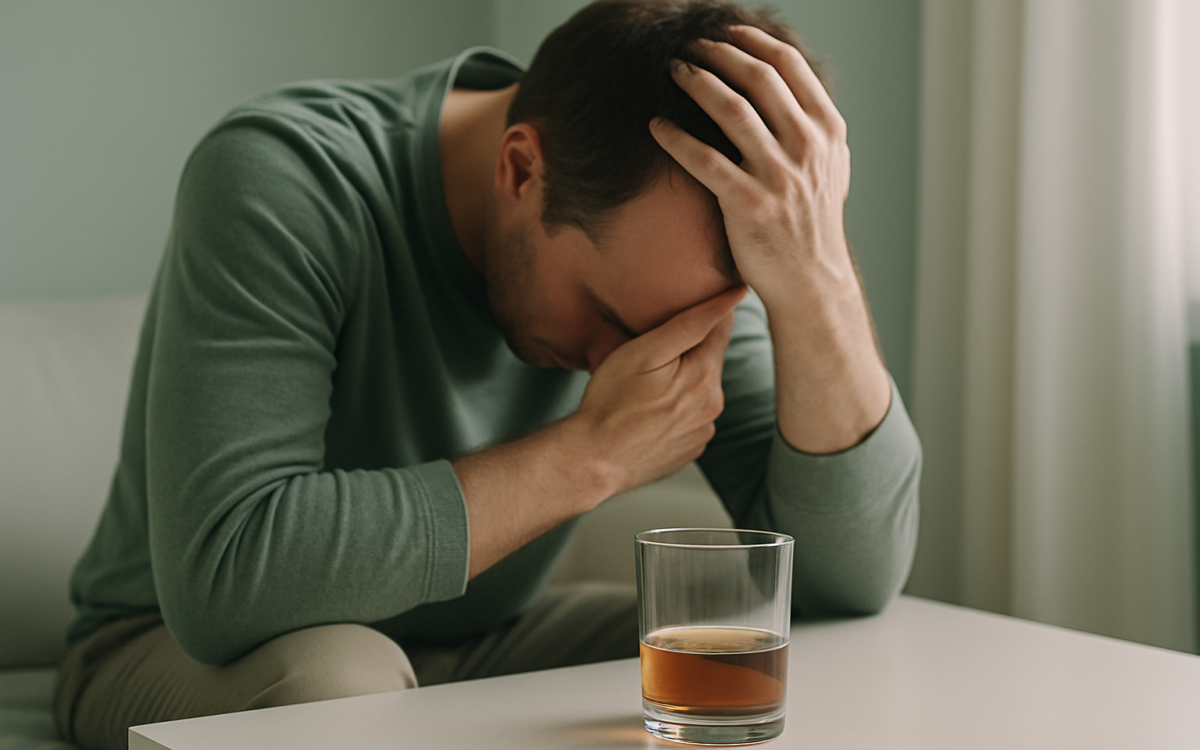
For many people, alcohol serves as a social lubricant or a means to unwind after a long day. However, when alcohol consumption becomes excessive, it can lead to physical and emotional dependence. Understanding alcohol withdrawal symptoms is essential for anyone looking to cut back or quit drinking. This article will explore the range of symptoms, their timelines, and what steps you can take to manage them.
What Are Alcohol Withdrawal Symptoms?
Alcohol withdrawal symptoms occur when a person who has been drinking heavily for an extended period suddenly stops or significantly reduces their alcohol intake. These symptoms can range from mild to severe and can affect both the body and mind. Common symptoms include:
- Anxiety and nervousness
- Tremors or shaking
- Nausea and vomiting
- Excessive sweating
- Insomnia
- Increased heart rate
- Hallucinations and seizures (in severe cases)
According to the National Institute on Alcohol Abuse and Alcoholism, understanding these symptoms is the first step toward recovery.
The Timeline of Withdrawal Symptoms
Alcohol withdrawal symptoms typically manifest in stages and can vary in duration and intensity based on the individual and their alcohol use history. Here’s a rough timeline:
- 6 to 12 hours: Mild symptoms such as anxiety, shaky hands, and nausea may begin.
- 12 to 24 hours: Symptoms may escalate, with increased tremors and possible hallucinations.
- 1 to 3 days: Peak withdrawal symptoms occur during this time, and some individuals may experience seizures.
- 4 to 7 days: Symptoms start to subside; however, some individuals, especially those with severe dependencies, may enter alcohol withdrawal delirium, a serious condition that requires immediate medical attention.
The severity of symptoms can depend on various factors, including how long a person has been drinking, the amount consumed, and overall health. For severe cases, medical intervention is often necessary.
Managing Withdrawal Symptoms
If you’re facing alcohol withdrawal, knowing how to manage your symptoms is crucial. Here are some strategies that might help:
- Stay Hydrated: Drink plenty of water and consider electrolyte solutions to help with nausea and dehydration.
- Nutrition: Eating a balanced diet can assist your body in healing during this phase. Foods rich in vitamins and minerals can support overall health.
- Support Network: Reach out to friends and family who can provide emotional support. Consider joining a support group where you can share experiences with others.
- Seek Professional Help: Consulting a healthcare professional is crucial, as they can guide you through the process, possibly recommending hospitalization for severe cases.
- Treatment Options: In some cases, seeking treatment in Turkey or other healthcare systems may offer supportive environments and personalized care.
It’s vital to approach withdrawal symptoms seriously and seek help if needed.
Signs of Severe Withdrawal
While most withdrawal symptoms can be managed with appropriate care, some can escalate into severe conditions, signaling the need for immediate medical assistance. Warning signs include:
- Severe confusion or disorientation
- Hallucinations (seeing or hearing things that aren’t there)
- Severe tremors or convulsions
- Delirium tremens (DTs), characterized by severe agitation and confusion
According to the World Health Organization, intervention in these severe cases can be life-saving.
Long-Term Considerations and Recovery
Once the acute withdrawal phase is over, the path to recovery continues. It’s common for individuals to feel cravings or psychological symptoms even after physical symptoms have subsided. Engaging in therapy and counseling can be beneficial in these instances. Evidence-based therapies such as Cognitive Behavioral Therapy (CBT) can help modify thought patterns that contribute to alcohol use.
Maintaining a healthy lifestyle is essential, including regular exercise and mindfulness practices, which can help stabilize mood and well-being.
When to See a Doctor
If you or someone you know is planning to quit drinking, it’s important to recognize when to seek medical assistance. You should consult a healthcare provider if:
- Withdrawal symptoms become severe
- There’s a history of complications during previous attempts to quit
- You have additional health concerns that may complicate your withdrawal
Consulting a doctor or mental health professional before making changes to your drinking habits is a crucial step toward ensuring a safe and effective withdrawal process.
Understanding alcohol withdrawal symptoms is essential for those considering cutting back on alcohol. With the right support and information, individuals can navigate this difficult phase and work toward a healthier lifestyle.
