
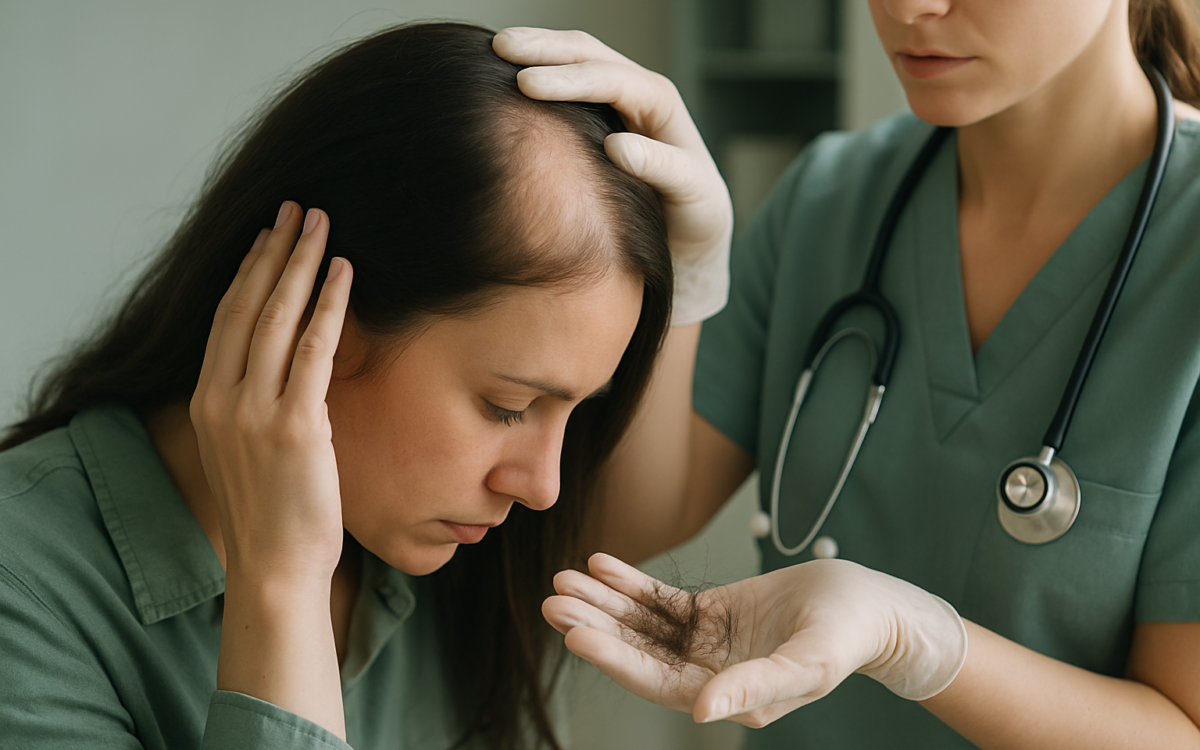
Alopecia, or hair loss, is a condition that can affect anyone, but it can be particularly distressing for women. The reasons behind this hair loss can vary widely from genetic factors to environmental influences. For women experiencing alopecia, understanding the underlying causes is essential in finding the right support and management strategies. In this article, we will explore the diverse causes of alopecia in women.
Genetic Factors and Family History
One of the most common causes of alopecia in women is genetics. If there’s a family history of hair loss, women might be more susceptible to developing similar conditions. Female pattern hair loss, also known as androgenetic alopecia, is characterized by a gradual thinning of hair usually starting at the crown or temples. This condition can lead to significant hair loss over time. According to the National Institutes of Health, genetic predispositions can play a major role in determining hair loss patterns.
Hormonal Changes
Hormonal fluctuations can significantly impact hair growth. Conditions such as polycystic ovary syndrome (PCOS), menopause, and pregnancy can lead to changes in hormone levels that may cause hair thinning or loss. Women experiencing these hormonal changes may notice an increase in hair shedding. Research by the Mayo Clinic indicates that androgens, or male hormones, can shrink hair follicles and shorten the hair growth cycle, impacting women as well.
Autoimmune Disorders
Alopecia areata is a specific type of hair loss that is caused by an autoimmune response, where the body’s immune system mistakenly attacks hair follicles. This condition can cause sudden, patchy hair loss and can occur at any age. While the exact cause of alopecia areata is not fully understood, it is believed to have a genetic component and is linked to other autoimmune disorders, such as thyroid disease. Understanding these connections can help women recognize the symptoms early and seek guidance from healthcare providers. According to the Centers for Disease Control and Prevention, autoimmune disorders can lead to unexpected health conditions, including alopecia.
Stress and Psychological Factors
Emotional and physical stress can also contribute to hair loss. Conditions such as telogen effluvium occur when stress pushes a large number of hair follicles into a resting phase, which can temporarily cause hair shedding. Common causes of stress might include life changes like a breakup, job loss, or even the illness of a loved one. It’s essential to recognize that the mind-body connection can influence hair health. Identifying and managing stress through various methods, like therapy or relaxation techniques, can promote overall well-being and potentially help in reducing hair loss.
Nutritional Deficiencies
A proper diet plays a crucial role in maintaining healthy hair. Nutritional deficiencies, particularly in iron, zinc, and vitamins such as D and B12, can lead to hair thinning. Women who follow restrictive diets or have underlying health conditions that affect nutrient absorption may be at higher risk for deficiencies. A balanced diet rich in essential nutrients can foster better hair health and overall vitality. Consulting with a healthcare professional about dietary habits can help address potential deficiencies and improve hair growth.
Environmental Factors
Sometimes, environmental influences can contribute to hair loss. Exposure to harsh chemicals in hair products, pollution, or excessive heat from styling devices can damage hair and lead to breakage or thinning. Women are often advised to be cautious about the hair products they use and to seek alternatives that are less likely to cause harm. Additionally, following good hair care practices can help minimize damage and maintain hair health.
When to See a Doctor
If you are experiencing significant hair loss, it is essential to consult with a healthcare provider. Sudden hair loss, bald patches, or a noticeable change in hair thickness are all indicators that professional guidance may be needed. Your doctor can help determine the underlying cause and recommend appropriate treatments or interventions.
In conclusion, understanding the various causes of alopecia in women can alleviate some concerns and foster better management strategies. While genetic factors are profound, hormonal changes, stress, and environmental elements also play crucial roles. Recognizing these contributing factors and seeking support when necessary can empower women to address hair loss and enhance their well-being.
