
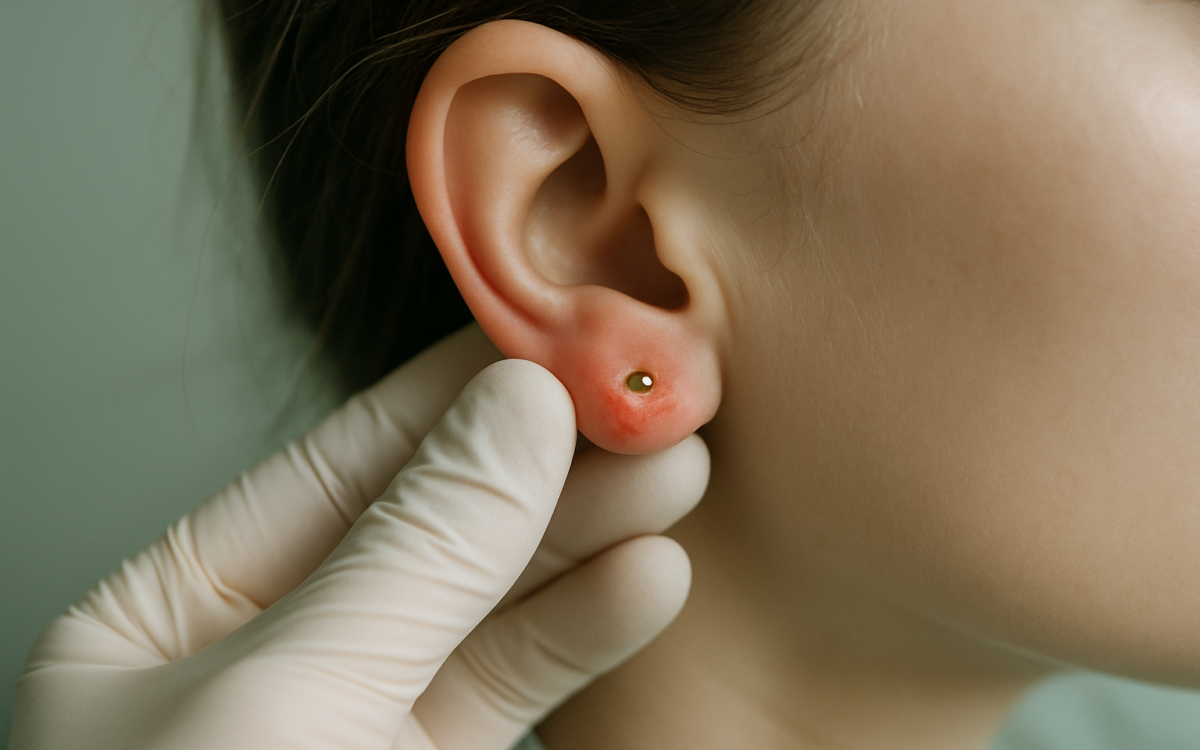
Infections can occur in any part of the body, and your ears are no exception. Whether you’re a seasoned earring wearer or a newcomer to body jewelry, it’s important to recognize the signs of an infected earring. Understanding how infections develop and how to care for them can help you maintain healthy ears and enjoy your accessories without worry.
What Causes Earring Infections?
An earring infection usually happens when bacteria enter the skin through a cut or irritation. Common factors that can contribute include:
- Improper Piercing: If the piercing isn’t done with sterile equipment, or by non-professionals, it raises the risk for infection.
- Poor Aftercare: Not following aftercare instructions can lead to complications. For instance, touching or twisting the earrings can further irritate the skin.
- Allergic Reactions: Some people may have allergic reactions to certain metals used in earrings, leading to inflammation and possible infection.
- Existing Skin Conditions: Conditions like eczema or psoriasis can affect the ear area, making it more susceptible to infections.
Recognizing Symptoms of an Infected Earring
Identifying an infected earring isn’t always straightforward. Here are key symptoms to look out for:
- Redness and Swelling: The area around the piercing may appear red and swollen. This is usually one of the first signs of an infection.
- Pain or Tenderness: You might experience pain, especially when touching the area. This discomfort can range from mild to severe.
- Warmth: The infected area may feel warmer than the surrounding skin.
- Discharge: Infection can cause pus or fluid to drain from the piercing. This discharge may be clear, yellow, or greenish and could have a foul odor.
- Fever: In more severe cases, you could develop a fever, indicating that the infection has spread.
First Steps to Take if Your Earring is Infected
If you suspect your earring is infected, here are some initial steps you can take to manage the situation:
- Keep it Clean: Gently clean the area around the piercing with a saline solution or mild soap and water. Avoid harsh chemicals that can irritate the skin.
- Remove the Earring: If the infection is severe, it may be best to remove the earring. However, if the hole seems to be closing, consult a healthcare provider before taking it out.
- Apply a Warm Compress: To relieve discomfort and reduce swelling, apply a warm, damp cloth to the area for 10-15 minutes at a time.
- Avoid Further Irritation: Avoid swimming, saunas, or any activities that could irritate the infected area until it’s healed.
Home Remedies for Mild Infections
For mild infections, you can try these at-home remedies:
- Chamomile Tea Bags: When steeped and cooled, chamomile tea bags can be applied to the infected area. Chamomile has anti-inflammatory properties that may help soothe irritation.
- Essential Oils: Some essential oils, like tea tree oil, are known for their antibacterial properties. However, these should be diluted with a carrier oil before applying to avoid further irritation.
- Aloe Vera: Aloe vera gel can be soothing and may help with healing due to its anti-inflammatory properties.
When to See a Doctor
It’s essential to know when to consult a healthcare professional. Consider visiting a doctor if:
- The infection doesn’t improve after a few days of home treatment.
- You experience intense pain or swelling.
- You notice redness spreading from the piercing site.
- You develop a fever or any other systemic symptoms.
- There is a lot of pus or the discharge has a foul smell.
For more information about infections and signs of complications, you can refer to reputable medical sources like the Mayo Clinic or the NIH.
Preventing Future Infections
To prevent future infections, take these proactive measures:
- Choose Hypoallergenic Jewelry: Opt for earrings made from surgical stainless steel, titanium, or gold to reduce the risk of allergic reactions.
- Follow Piercing Aftercare: Always adhere to aftercare instructions issued by your piercer to ensure a healthy healing process.
- Keep Your Hands Clean: Wash your hands thoroughly before touching your ears or earrings to minimize the risk of transferring bacteria.
- Avoid Sharing Jewelry: Sharing earrings can spread bacteria, increasing the risk of infections.
Conclusion
Experiencing an infected earring can be concerning, but understanding the symptoms, treatment options, and prevention strategies can greatly alleviate your worries. Always prioritize ear health, and don’t hesitate to consult a healthcare professional if you’re unsure or if symptoms worsen. With the right care, you can enjoy your favorite earrings safely and healthily.
