
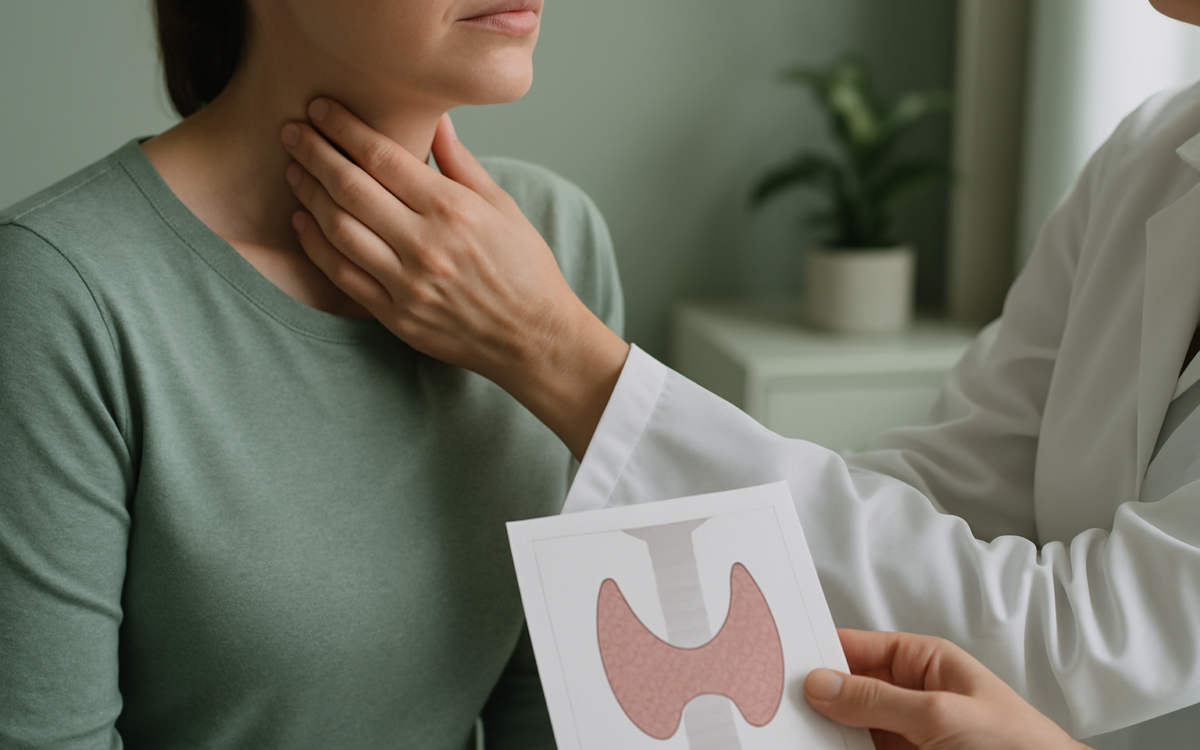
Imagine feeling constantly tired, gaining weight without a clear cause, or experiencing dry skin and hair loss. These symptoms may be more than just typical signs of aging or stress—they could indicate an underactive thyroid, known medically as hypothyroidism. The thyroid gland, a small butterfly-shaped organ located in your neck, plays a crucial role in regulating your body’s metabolism, energy, and overall health. In this article, we’ll explore the causes, symptoms, diagnosis, and treatment options associated with an underactive thyroid.
What is an Underactive Thyroid?
An underactive thyroid occurs when your thyroid gland doesn’t produce enough thyroid hormones. The two main hormones involved are thyroxine (T4) and triiodothyronine (T3). These hormones are essential for regulating various bodily functions, including metabolism, heart rate, and even brain function. When hormone levels are insufficient, it can lead to a range of physical and emotional symptoms.
Common Symptoms of Hypothyroidism
Identifying an underactive thyroid can be complicated, as symptoms often develop gradually and can be mistaken for other health conditions. However, some of the most common symptoms include:
- Fatigue: Feeling unusually tired is one of the most prevalent signs. People with hypothyroidism may notice a significant lack of energy even after sufficient rest.
- Weight Gain: Unexplained weight gain, especially if accompanied by a decreased appetite, can occur due to a slowed metabolism.
- Cold Sensitivity: If you find yourself feeling cold when others are comfortable, this can be a red flag.
- Dry Skin and Hair: Those with hypothyroidism may experience dry, brittle hair and skin, often leading to hair loss.
- Depression or Mood Swings: Hormonal imbalances can also affect mood, leading to feelings of sadness or irritability.
If you or someone you know is experiencing these symptoms, it is worth considering a discussion with a healthcare provider.
Causes of an Underactive Thyroid
Various factors can lead to an underactive thyroid. Some of the common causes include:
- Autoimmune Diseases: The most common cause of hypothyroidism in the U.S. is Hashimoto’s thyroiditis, an autoimmune disorder where the immune system attacks the thyroid gland.
- Radiation Therapy: Treatments for certain cancers, especially those involving the head and neck, can damage the thyroid, resulting in reduced hormone production.
- Thyroid Surgery: Removal of all or part of the thyroid gland can lead to hormonal deficiencies.
- Iodine Deficiency: Though rare in many developed countries due to iodized salt, a lack of iodine can result in hypothyroidism since iodine is essential for hormone production.
- Medications: Some medications can interfere with thyroid hormone production. For example, lithium used for certain psychiatric disorders can have this effect.
Understanding the cause of hypothyroidism is key to effective management and treatment.
Diagnosing Hypothyroidism
Diagnosing an underactive thyroid typically involves a blood test that measures levels of Thyroid Stimulating Hormone (TSH) and sometimes T4. When TSH levels are high and T4 levels are low, it generally indicates hypothyroidism. It is important to consult a healthcare provider for an accurate diagnosis and to discuss any symptoms you may be experiencing.
The American Thyroid Association recommends that routine screening for thyroid dysfunction should begin at age 35 and continue every 5 years, or sooner if you have risk factors for thyroid disease.
Treatment Options for Hypothyroidism
Treatment for hypothyroidism usually involves hormone replacement therapy, which aims to restore normal hormone levels. The most common medication is levothyroxine, a synthetic form of T4. This medication is typically taken daily, and it’s essential to follow your healthcare provider’s recommendations regarding dosage and timing.
Regular monitoring of TSH levels is important during treatment to ensure that hormone levels remain within a normal range. Additionally, patients should discuss any concerns regarding their medications with their healthcare provider to manage symptoms and side effects effectively.
Living with an Underactive Thyroid
While an underactive thyroid can be a lifelong condition, many people manage it successfully with the right treatment and lifestyle adjustments. Here are a few tips to help manage your thyroid health:
- Healthy Diet: A balanced diet rich in fruits, vegetables, lean proteins, and whole grains can support overall health. Some individuals may also benefit from monitoring their iodine intake.
- Regular Exercise: Staying physically active can help combat fatigue and manage weight effectively. Consult with your healthcare provider to determine an appropriate exercise regimen.
- Routine Check-Ups: Regular visits to your healthcare provider for monitoring TSH levels and discussing symptoms are essential for successful management.
- Monitor Emotional Health: Mental health is crucial. Don’t hesitate to seek support if you experience mood swings or depression.
Managing an underactive thyroid may involve a learning curve, but with proper care and attention, individuals can lead fulfilling lives.
When to See a Doctor
If you notice persistent symptoms of fatigue, weight gain, or other changes that concern you, it’s important to consult a healthcare provider. Early diagnosis and intervention can lead to effective management, improving your quality of life.
For more information on thyroid health, you can visit the Mayo Clinic or the National Institutes of Health.
In conclusion, understanding an underactive thyroid is essential for maintaining overall health. By recognizing the symptoms, exploring causes, and being proactive in diagnosis and treatment, individuals can effectively manage this condition and lead healthier lives.
