
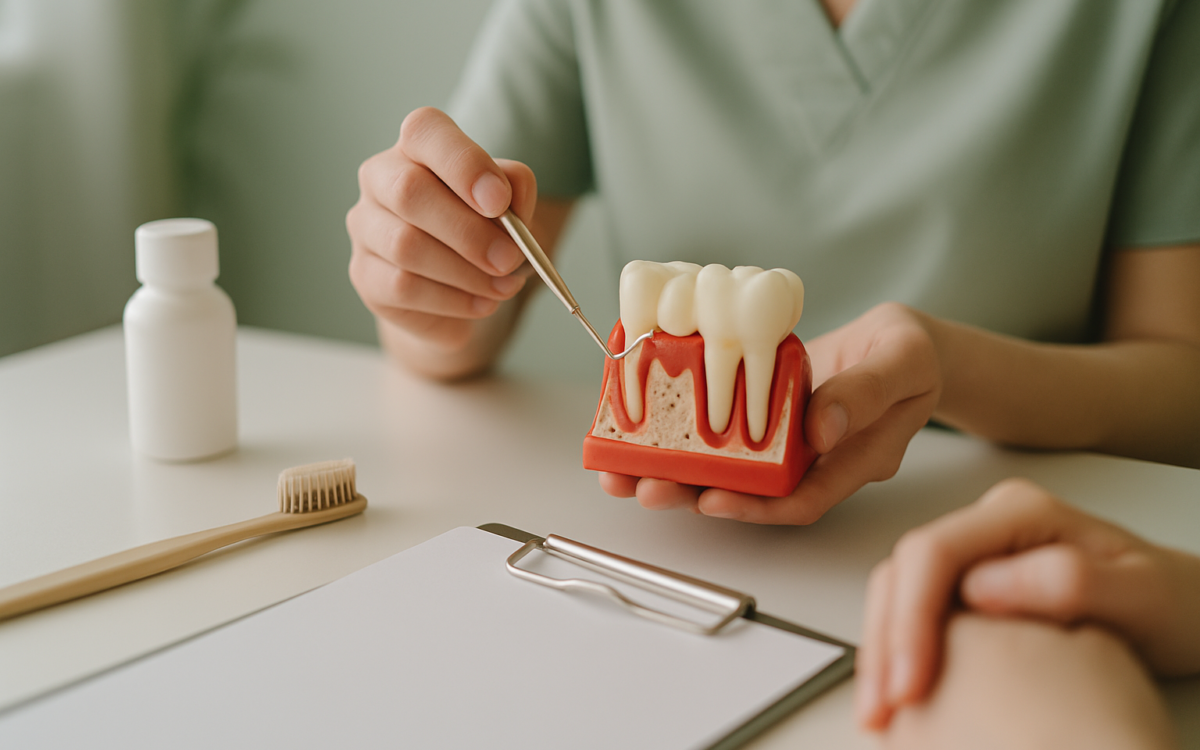
Periodontal disease, commonly known as gum disease, affects millions of people worldwide. It starts with inflammation of the gums and can progress to serious dental issues if left untreated. The good news is that there are steps you can take to manage and even reverse its effects. In this article, we will explore what periodontal disease is, how it develops, and the strategies you can use to keep your gums healthy.
What is periodontal disease?
Periodontal disease is an infection of the tissues that surround and support your teeth. It begins with gingivitis, a milder form of gum disease marked by redness, swelling, and bleeding of the gums, usually caused by plaque buildup. If gingivitis is not treated, it can progress to periodontitis, a more advanced stage where the gums start to pull away from the teeth, leading to pockets of infection and potential tooth loss.
What causes periodontal disease?
Understanding the causes of periodontal disease is key to prevention. The primary cause is plaque, a sticky film of bacteria that forms on teeth. Other risk factors that can contribute to the development of this condition include:
- Poor oral hygiene: Neglecting regular brushing and flossing allows plaque to harden into tartar, which can only be removed by a dental professional.
- Smoking: Tobacco use greatly increases the risk of gum disease by impairing gum health and reducing blood flow to the gums.
- Hormonal changes: Changes during puberty, menstruation, pregnancy, and menopause can make gums more sensitive and susceptible to disease.
- Chronic illnesses: Conditions like diabetes and autoimmune diseases can affect your body’s ability to fight infections, including those in the mouth.
Symptoms of periodontal disease
Identifying the symptoms of periodontal disease early can lead to more effective management. Common signs include:
- Swollen, red, or bleeding gums
- Persistent bad breath
- Loose teeth
- Changes in bite or tooth alignment
- Receding gums
Should you notice these symptoms, it is essential to consult a dental professional for proper diagnosis and treatment options.
How to treat and manage periodontal disease
Treatment for periodontal disease varies depending on its severity. Here are some common approaches:
Professional dental cleanings
Regular dental cleanings are crucial in managing gum disease. Your dentist or hygienist will remove plaque and tartar build-up that you cannot access with regular brushing alone.
Scaling and root planing
This is a deep-cleaning procedure where the dentist removes plaque and tartar from below the gum line and smooths the tooth roots. This helps reduce gum inflammation and encourages healthier gum tissue.
Antimicrobial treatments
In some cases, your dentist may recommend antimicrobial mouth rinses or gels containing antibiotics to help control the bacteria causing the infection. These treatments can complement a regular oral hygiene routine.
Maintenance of oral hygiene
Good oral hygiene is essential for keeping periodontal disease at bay. Here are some tips:
- Brush your teeth at least twice a day with fluoride toothpaste.
- Floss daily to remove plaque and food particles between teeth.
- Use an antibacterial mouthwash to help reduce plaque.
- Stay hydrated and consider chewing sugar-free gum to stimulate saliva production, which helps protect your teeth.
Diet and lifestyle changes
Your diet and lifestyle play a significant role in oral health. Here are some strategies:
- Eat a balanced diet: Incorporate plenty of fruits, vegetables, whole grains, and lean proteins. Foods rich in vitamin C, such as citrus fruits, can boost gum health.
- Limit sugary snacks: Reducing sugar intake can significantly decrease the risk of plaque build-up.
- Avoid tobacco: Quitting smoking and avoiding other tobacco products can improve gum health and overall oral hygiene.
Natural remedies to support gum health
While professional treatment is essential, some natural remedies may support gum health:
- Saltwater rinses: Rinsing with warm salt water can help reduce inflammation and promote healing.
- Tea tree oil: This essential oil has antibacterial properties that can help fight the bacteria responsible for gum disease. Dilute it with a carrier oil and apply it carefully.
Always consult with a healthcare provider before trying new treatments to ensure they are safe and appropriate for you.
When to see a doctor
If you notice symptoms of gum disease, such as persistent bad breath, swollen gums, or loose teeth, it is important to seek dental care. Early intervention can make a significant difference in the treatment’s effectiveness.
Conclusion
By understanding periodontal disease and taking proactive measures, you can effectively manage your oral health. Regular dental check-ups, good oral hygiene practices, and a healthy lifestyle are all key to preventing and treating gum disease. If you are concerned about your dental health, consult your dentist for an evaluation and personalized care plan. With the right approach, it’s possible to maintain healthy gums and a bright smile.
