
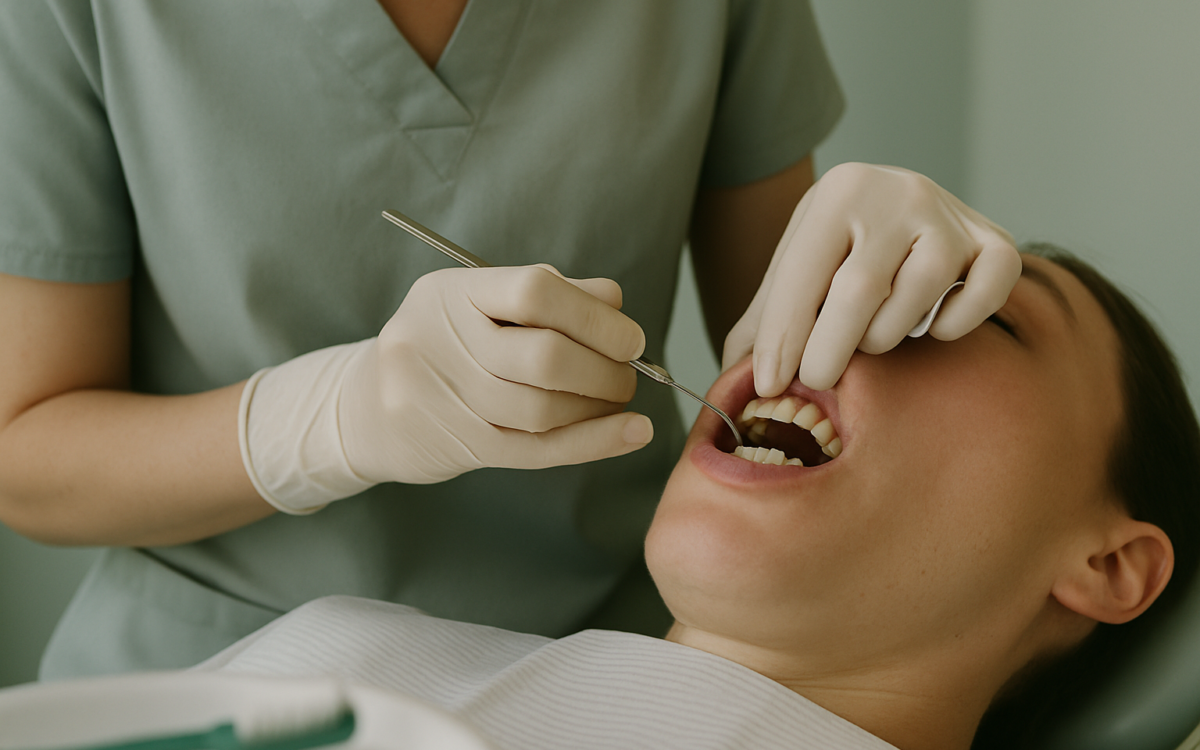
Gum disease, also known as periodontal disease, is a common condition that affects many adults. It begins with inflammation of the gums, which can lead to more serious dental issues if left untreated. Fortunately, recognizing and addressing gum disease early can help you maintain a healthy smile and overall oral health. In this article, we’ll explore effective ways to treat gum disease, from home care practices to professional interventions.
What is Gum Disease?
Gum disease encompasses a range of conditions that affect the gums and surrounding tissues. The two main types are:
- Gingivitis: This is the earliest stage of gum disease, characterized by red, swollen gums that may bleed during brushing or flossing. Gingivitis is often reversible with improved oral hygiene.
- Periodontitis: If gingivitis is not treated, it can progress to periodontitis, a more severe condition that can lead to tooth loss. In this stage, the inflammation extends deeper into the supporting structures of the teeth.
Understanding the stage of your gum disease is crucial for determining the best treatment approach.
Signs and Symptoms of Gum Disease
Being aware of the signs and symptoms of gum disease can help you seek treatment promptly. Common indicators include:
- Red, swollen, or tender gums
- Gums that bleed during brushing or flossing
- Persistent bad breath
- Loose or shifting teeth
- Receding gums, making teeth appear longer
If you notice any of these signs, it may be time to take action.
At-Home Treatment Options
Many individuals can manage early-stage gum disease through diligent at-home care. Here are some effective strategies:
1. Improve Your Oral Hygiene Routine
Brushing your teeth at least twice a day and flossing daily can significantly reduce plaque buildup, which is a major contributor to gum disease. Use a soft-bristled toothbrush and fluoride toothpaste for the best results.
2. Rinse with Antimicrobial Mouthwash
A good mouthwash can help kill bacteria in your mouth. Look for a mouthwash that is specifically designed for gum health and contains antimicrobial ingredients.
3. Use Interdental Cleaners
Flossing is important, but some people find it difficult. Interdental brushes or soft picks can be effective alternatives to help remove food particles and plaque between teeth.
4. Maintain a Balanced Diet
Your diet plays a vital role in oral health. Eat a balanced diet rich in fruits and vegetables, whole grains, and lean proteins. Avoid sugary snacks and beverages, as they can exacerbate gum disease.
5. Stay Hydrated
Drinking plenty of water can help wash away food particles and bacteria, reducing the risk of gum disease. It also supports overall oral health.
Professional Treatment Options
For more advanced cases of gum disease, professional dental treatment is essential. Here are common procedures:
1. Scaling and Root Planing
This deep cleaning procedure involves removing plaque and tartar from below the gum line and smoothing the tooth roots to promote healing. It is typically performed under local anesthesia.
2. Medications
Your dentist may prescribe medications, such as topical antimicrobial agents or oral antibiotics, to help manage infection and inflammation associated with gum disease.
3. Surgical Treatments
In severe cases, surgical treatments like flap surgery or bone grafting may be necessary to restore gum and bone health. Your dentist will discuss the best options based on your condition.
Prevention Strategies
Preventing gum disease is often easier than treating it. Here are some proactive measures to keep your gums healthy:
- Regular dental check-ups: Visit your dentist every six months for professional cleanings and check-ups.
- Avoid tobacco: Smoking and chewing tobacco increase the risk of gum disease.
- Manage stress: Stress can weaken your immune system, making it harder to fight off infections.
- Control chronic health conditions: Conditions like diabetes can affect your oral health, so manage them effectively.
When to See a Doctor
If you notice any signs of gum disease or if your symptoms persist despite home care, it’s important to consult a dental professional. Early intervention can prevent more severe conditions and protect your overall health. Regular dental visits are crucial for maintaining gum health and addressing any concerns before they become serious.
Conclusion
Treating gum disease requires a combination of good oral hygiene practices, professional care, and lifestyle changes. By recognizing the signs early and taking proactive steps, you can keep your gums healthy and avoid complications. Remember, your dentist is your best partner in maintaining oral health, so don’t hesitate to seek their guidance. For more information on gum disease and its treatment, you can visit reputable sources like the CDC or the Mayo Clinic.
