
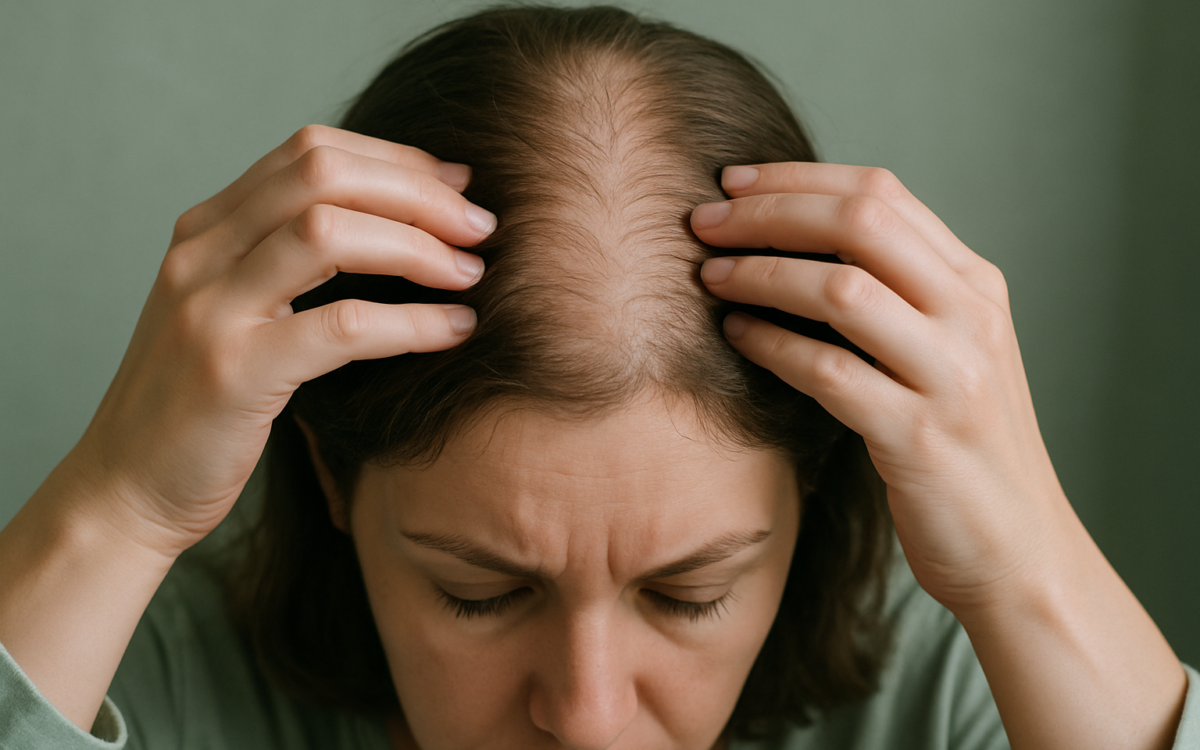
Hair loss can be a distressing experience for anyone, particularly for women. One of the most common forms of hair loss in women is androgenetic alopecia, also known as female pattern baldness. This condition can lead to thinning hair and a receding hairline, affecting both self-esteem and mental health. In this article, we will explore what androgenetic alopecia is, its causes, symptoms, treatment options, and when to seek medical advice.
What is Androgenetic Alopecia?
Androgenetic alopecia is a genetic condition that affects both men and women, although the presentation tends to differ between genders. In women, this condition often manifests as a gradual thinning of hair, particularly at the crown and top of the head. Unlike male pattern baldness, which typically leads to a receding hairline, women’s hair loss may cause wider parts and a decrease in overall hair density without the complete loss of hair in specific areas.
Causes of Androgenetic Alopecia in Women
The primary cause of androgenetic alopecia is thought to be a combination of genetics and hormonal changes. Testosterone and its derivatives, known as androgens, play a key role in hair growth. In women, an imbalance in these hormones can lead to hair thinning. Factors that might contribute to this imbalance include:
- Family History: If other women in your family have experienced hair loss, you may be more susceptible.
- Hormonal Changes: Conditions such as pregnancy, menopause, or issues with the thyroid can affect hair growth.
- Age: As women age, hair growth slows, and many experience a natural thinning of hair.
- Health Conditions: Medical conditions like polycystic ovary syndrome (PCOS) can also contribute to hair loss.
Symptoms of Androgenetic Alopecia
The most common symptom of androgenetic alopecia is thinning hair. These changes often develop slowly, making them hard to notice at first. Some typical signs include:
- Wider parts in the hair.
- More visible scalp.
- Reduction in hair volume or density.
- Hair that breaks more easily.
Women may not notice significant hair loss until about 40% of their hair has already thinned. This gradual process can sometimes lead to feelings of frustration and anxiety.
Diagnosis of Androgenetic Alopecia
If you’re concerned about hair loss, it’s important to consult with a healthcare professional. They will likely perform a physical examination and review your medical history. A dermatologist may order additional tests, such as:
- Blood Tests: These can detect hormone imbalances or underlying medical conditions.
- Scalp Biopsy: In some cases, a small sample of the scalp may be taken for analysis.
Once a diagnosis is confirmed, your healthcare provider will discuss potential treatment options with you.
Treatment Options for Androgenetic Alopecia
While there is no cure for androgenetic alopecia, various treatment options can help manage the condition and promote hair growth. Here are some common treatments:
Medications
Minoxidil is the most frequently used topical treatment for hair loss in women. Available over the counter, it is applied directly to the scalp and can help stimulate hair regrowth and prevent further loss. Studies have shown that consistent use over several months may lead to noticeable results.
Finasteride is another medication, primarily used for men, but it may be prescribed off-label for women with androgenetic alopecia. This medication works by blocking the hormone responsible for hair thinning but is not generally recommended for women of childbearing age due to potential side effects.
Hair Transplant Surgery
For women with more significant hair loss, hair transplant surgery may be an option. This involves moving hair follicles from a donor site to areas with thinning or no hair. While effective, this invasive procedure comes with risks and requires careful consideration.
Lifestyle Changes and Hair Care
In addition to medical treatments, certain lifestyle changes can be beneficial:
- Maintain a balanced diet rich in vitamins and minerals.
- Avoid harsh hair treatments, like excessive dyeing or chemical straightening.
- Use gentle hair care products that prevent damage.
The Emotional Impact of Hair Loss
Experiencing hair loss can be emotionally challenging. Many women may feel self-conscious or anxious about their appearance. It’s important to acknowledge these feelings and seek support. Talking with friends and family or joining support groups can help alleviate emotional distress. If feelings of anxiety or depression persist, it might be beneficial to consult a mental health professional.
When to See a Doctor
If you are noticing an unusual amount of hair loss, it may be time to consult a doctor or dermatologist. Early diagnosis and treatment can be crucial in managing androgenetic alopecia effectively. It’s especially important to seek medical advice if you experience:
- Sudden hair loss or patches of complete baldness.
- Other symptoms like itching or redness of the scalp.
- Changes in your menstrual cycle or other hormonal issues.
You can learn more about hair loss and related conditions at reputable sources like Mayo Clinic and NIH.
Androgenetic alopecia affects many women and can significantly impact their quality of life. Understanding the condition and seeking timely treatment can help those affected maintain their confidence and well-being.
