
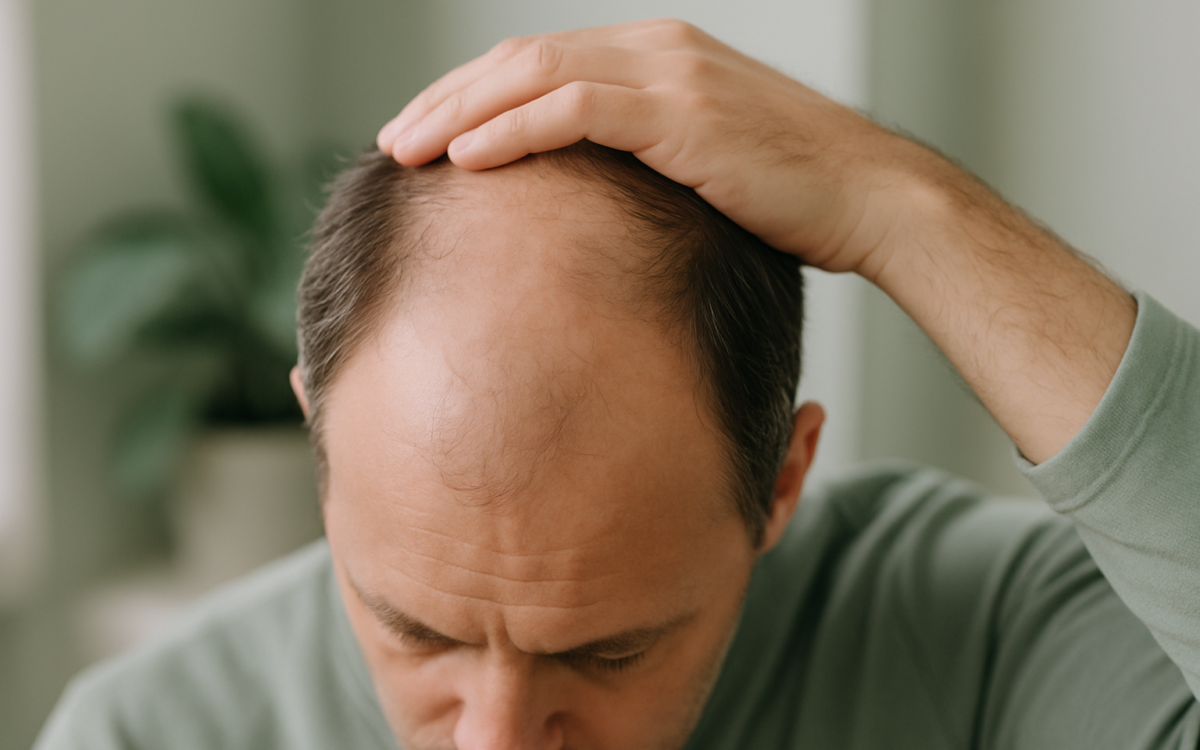
Androgenic alopecia, commonly known as male or female pattern baldness, affects millions of people worldwide. For many, hair loss can be a source of significant emotional distress, leading to searches for effective treatments. This article will explore the causes, progression, and solutions for androgenic alopecia, helping you understand this condition and what options are available to manage it.
What Is Androgenic Alopecia?
Androgenic alopecia is a hereditary condition characterized by gradual hair thinning and loss. While it is often associated with men, women can also experience hair loss due to this condition. The hair loss usually follows a specific pattern that can help differentiate androgenic alopecia from other types of hair loss.
Causes of Androgenic Alopecia
At its core, androgenic alopecia is related to genetics and hormones. The key hormone involved is dihydrotestosterone (DHT), a derivative of testosterone. Here’s a breakdown of the primary causes:
- Genetics: If members of your family experienced hair loss, you are more likely to develop androgenic alopecia.
- Hormonal changes: Fluctuations in hormone levels can trigger the condition. DHT shrinks hair follicles, leading to thinner hair and eventual hair loss.
- Age: The risk of developing androgenic alopecia increases with age, making it a common issue among older adults.
Signs and Symptoms
The signs of androgenic alopecia can differ between men and women. In men, the condition typically begins with a receding hairline and thinning on the crown, while in women, it often manifests as general thinning across the scalp, usually with a preserved hairline. Key symptoms include:
- Gradual thinning at the crown and temples
- A widening parting in women
- Overall hair volume reduction
Treatment Options
Various treatment options are available for androgenic alopecia, ranging from over-the-counter solutions to surgical procedures. Here’s a look at some of the most common approaches:
Medications
Two commonly used medications for treating androgenic alopecia are:
- Minoxidil: Applied topically, this solution helps stimulate hair growth. It can be used by both men and women.
- Finasteride: This oral medication is primarily used for men. It works by blocking the formation of DHT, slowing hair loss and even promoting regrowth.
Hair Restoration Procedures
Surgical options, such as hair transplants, can provide a more permanent solution for those seeking to restore their hair. During these procedures, hair follicles are taken from areas of the scalp with thicker hair and transplanted into thinning or balding areas. Clinics specializing in this type of treatment, including those offering international patient services, are available for people seeking advanced options.
Lifestyle and Home Remedies
While medical treatments can be effective, some individuals prefer to explore lifestyle changes and natural remedies. Here are some approaches to consider:
- Balanced Diet: Nutrient-rich foods can support overall hair health. Incorporate proteins, vitamins (particularly biotin), and healthy fats into your diet.
- Stress Reduction: Practices such as yoga, meditation, or regular exercise might help reduce the stress that can contribute to hair loss.
- Scalp Care: Keeping the scalp clean and well-nourished can promote healthy hair growth. Consider gentle shampoos and regular massage to enhance circulation.
Preventing Androgenic Alopecia
While you cannot fully prevent androgenic alopecia, some practices may help slow its progression:
- Be gentle with your hair; avoid tight hairstyles and harsh treatments that can cause damage.
- Limit exposure to heat and chemical treatments that can lead to hair weakening.
- Consult with a dermatologist or trichologist if you notice early signs of hair thinning so that you can explore options sooner rather than later.
When to See a Doctor
If you notice significant hair loss or thinning, consulting a healthcare professional can help you identify the cause and appropriate treatment options. Early intervention may provide better results in managing androgenic alopecia.
Conclusion
Androgenic alopecia can be a challenging condition to face, but understanding its causes, symptoms, and treatment options can empower those affected. Remember, you’re not alone in this journey, and reaching out for support—whether through medical treatment, lifestyle changes, or community resources—can lead to positive outcomes. If hair loss is affecting your confidence or quality of life, consider speaking with a healthcare provider for personalized guidance.
