
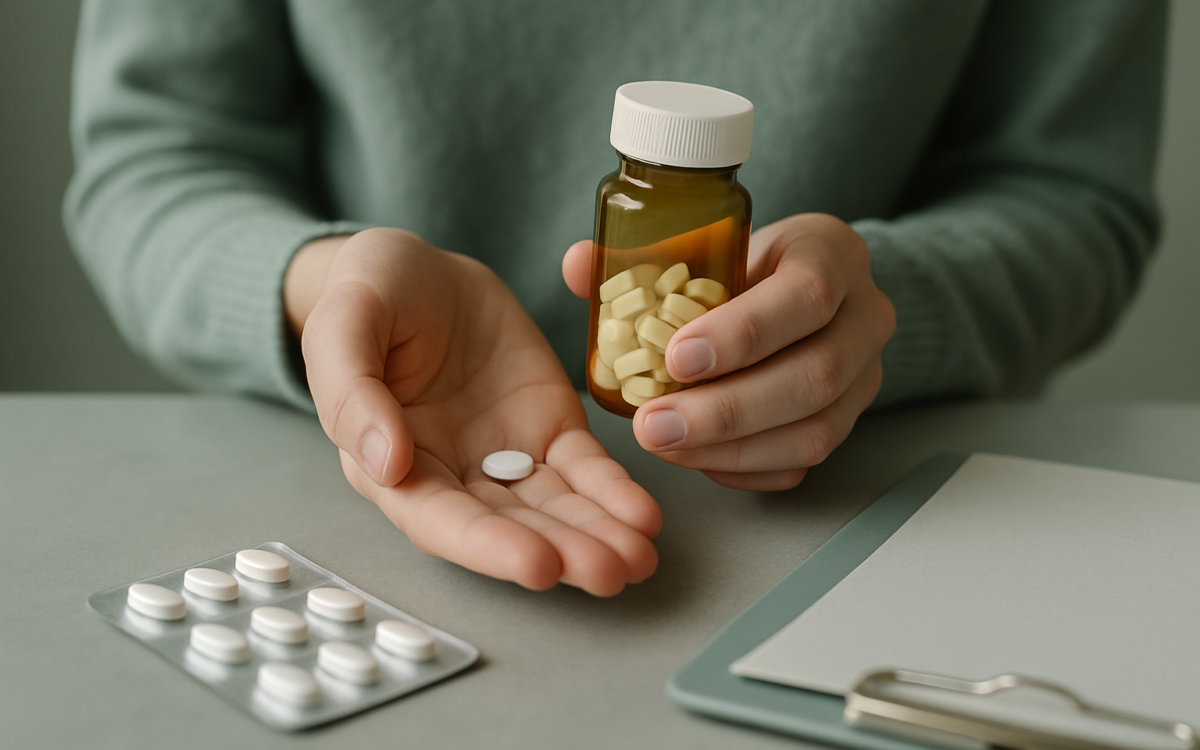
Anxiety disorders are among the most common mental health conditions affecting millions of people worldwide. They can significantly impact daily life, but fortunately, there are effective treatment options available. Among these options, anxiety disorder medicines play a crucial role for many individuals. This article delves into the types of medicines used to manage anxiety disorders, how they work, and important considerations for their use.
Types of Anxiety Disorder Medicines
There are several categories of medicines specifically designed to treat anxiety disorders. Each category works in distinct ways to help alleviate symptoms.
1. Antidepressants
Selective serotonin reuptake inhibitors (SSRIs) are a common class of antidepressants used to treat anxiety. These medications, including Fluoxetine and Sertraline, help increase the level of serotonin in the brain, a neurotransmitter that regulates mood. They are often a first-line treatment due to their effectiveness and relatively mild side effects.
2. Benzodiazepines
Benzodiazepines, such as Diazepam and Alprazolam, are medications that can provide rapid relief from severe anxiety symptoms. They work by enhancing the effect of a neurotransmitter known as gamma-aminobutyric acid (GABA), which promotes relaxation. However, they are typically prescribed for short-term use due to the risk of dependence and withdrawal symptoms.
3. Buspirone
Buspirone is an anti-anxiety medication that is particularly useful for generalized anxiety disorder (GAD). Unlike benzodiazepines, buspirone does not have sedative effects and is considered less addictive. It works by affecting serotonin and dopamine receptors in the brain. You might not feel the immediate relief usually associated with benzodiazepines, but it can be an effective long-term option.
4. Beta-Blockers
Beta-blockers, such as Propranolol, are often used to manage the physical symptoms of anxiety, such as rapid heartbeat and trembling. They block the effects of adrenaline, helping to reduce the physical responses to anxiety-provoking situations. While not a primary treatment for anxiety disorders, they can be valuable for specific situations like performance anxiety.
How These Medications Work
The effectiveness of anxiety disorder medicines lies in their ability to influence brain chemistry. Neurotransmitters are chemicals in the brain that send signals between nerve cells. Medications can help balance these chemicals, alleviating symptoms.
- Serotonin: Many medications increase serotonin levels, which can improve mood and reduce anxiety.
- GABA: By enhancing GABA activity, some medications promote relaxation and calmness.
- Dopamine: Certain medicines affect dopamine pathways, which can influence reward and pleasure, impacting anxiety levels.
Considerations When Taking Anxiety Disorder Medicines
While anxiety medicines can be effective, there are several important considerations to keep in mind:
- Consult Your Doctor: It is essential to discuss your symptoms and any medications with a healthcare professional. They can help determine the best treatment for your specific needs.
- Possible Side Effects: All medications can have side effects. Understanding these potential effects and discussing them with your doctor can help mitigate risks.
- Combination Therapy: Sometimes, medications are most effective when combined with psychotherapy or other treatments. Your doctor may recommend this approach based on your situation.
- Monitoring: Regular follow-ups with your doctor can help monitor how well your treatment plan is working and make any necessary adjustments.
Alternative Treatments for Anxiety Disorders
Some individuals may prefer alternative treatments or wish to complement their medication with other approaches. These alternatives can include:
- Therapy: Cognitive-behavioral therapy (CBT) is a popular form of talk therapy that helps individuals understand and change their thought patterns related to anxiety.
- Mindfulness and Meditation: Practices like mindfulness meditation and yoga can be effective in reducing anxiety symptoms and enhancing overall well-being.
- Exercise: Regular physical activity can help reduce anxiety by releasing endorphins, which are natural mood lifters.
- Diet and Nutrition: A healthy diet rich in omega-3 fatty acids, whole grains, and vegetables may support mental health.
When to See a Doctor
If you experience persistent anxiety, panic attacks, or if anxiety interferes with your daily life, it’s important to seek professional help. The earlier you consult with a healthcare provider, the better the chances of finding a treatment that works for you.
Conclusion
Understanding anxiety disorder medicines can empower those affected by anxiety disorders to make informed decisions about their treatment options. While medication is a vital aspect of managing anxiety for many, it is essential to consider a holistic approach that may include therapy, lifestyle changes, and alternative treatments. Always consult with a healthcare professional to tailor a treatment plan that best fits your needs.
