
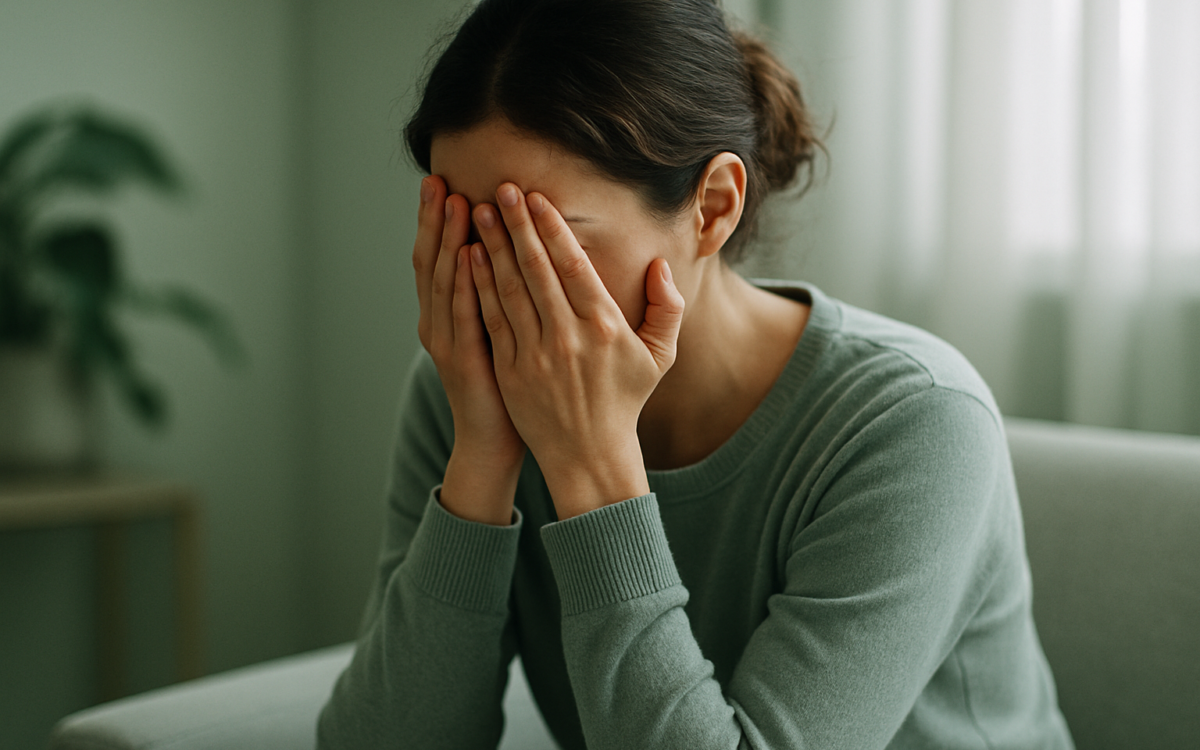
Feeling anxious is something we all experience from time to time. It can range from the mild butterflies in your stomach before a big presentation to an overwhelming feeling of dread that seems unshakeable. Understanding anxiety is crucial for managing those jitters without letting them control your life.
What is anxiety?
Anxiety is a natural response to stress. It is your body’s way of reacting to challenges or threats, preparing you to deal with them. In small doses, anxiety can be beneficial. It can sharpen your focus, boost motivation, and help you prepare for upcoming events.
However, for some, anxiety can become more than an occasional feeling. Chronic anxiety can interfere with your daily life, impacting your relationships, work, and overall well-being. Anxiety disorders are some of the most common mental health conditions, affecting millions of people worldwide. According to the National Institute of Mental Health, around 31.1% of adults in the U.S. experience any anxiety disorder at some point in their lives.
Common causes of anxiety
Understanding the root causes of anxiety can help you manage it better. Some common culprits include:
- Biological factors: Genetics can play a significant role in anxiety. If anxiety disorders run in your family, you may be more vulnerable.
- Environmental factors: Childhood trauma, significant life changes, or stressful events can trigger anxiety, especially if you’ve experienced them in your formative years.
- Medical conditions: Some medical issues, such as heart disease, asthma, and chronic pain, can exacerbate feelings of anxiety.
Recognizing the signs of anxiety
Anxiety can manifest in various ways. It’s important to recognize the signs to address them appropriately. Common symptoms include:
- Excessive worrying about everyday matters
- Restlessness or feeling on edge
- Difficulty concentrating
- Sleep disturbances
- Physical symptoms such as a racing heart, sweating, or trembling
If you notice these signs becoming persistent or severe, it may indicate the presence of an anxiety disorder. It’s crucial to remember that everyone experiences anxiety differently, and no two people will exhibit the same symptoms.
Coping strategies for managing anxiety
When feeling anxious, there are practical strategies you can employ to ease those feelings. Here are some effective techniques:
Mindfulness and relaxation techniques
Practicing mindfulness can help you become more aware of your anxiety and reduce its intensity. Techniques include:
- Deep breathing: Inhale slowly through your nose, hold for a few seconds, then exhale through your mouth. Repeat several times.
- Meditation: Find a quiet space, close your eyes, and focus on your breath. Let go of distracting thoughts and bring your focus back to your breathing.
- Progressive muscle relaxation: Tense and then relax each muscle group in your body, starting from your toes and moving up to your head.
Physical activity
Engaging in regular exercise can significantly reduce symptoms of anxiety. Physical activity releases endorphins, which act as natural stress relievers. Aim for at least 30 minutes of moderate exercise most days of the week. Activities like walking, jogging, yoga, or dancing can be particularly beneficial.
Social support
Connecting with friends and family can be a powerful antidote to anxiety. Talk to someone you trust about what you’re feeling. Sharing your experiences can help lighten your burden and provide new perspectives.
The role of professional help
If your anxiety continues to disrupt your daily life, consider seeking professional help. Mental health providers can offer various treatment options, including therapy and medication. Cognitive-behavioral therapy (CBT) is a popular therapeutic approach that helps individuals identify and change negative thought patterns contributing to anxiety. Additionally, medications like antidepressants or anti-anxiety medications may be prescribed based on your specific needs.
When to see a doctor
It’s essential to reach out to a healthcare professional if:
- Your anxiety is persistent and overwhelming.
- It interferes with your daily life or responsibilities.
- You experience physical symptoms—such as shortness of breath, heart palpitations, or panic attacks—that are concerning.
If you’re ever in doubt, talking to a doctor can provide valuable insights and potential next steps.
Conclusion
Feeling anxious is a common experience, but when it becomes overwhelming or persistent, understanding and addressing it becomes crucial. Explore coping strategies, consider seeking professional help, and remember that you are not alone in this journey. With the right tools and support, it’s possible to manage anxiety effectively and live a fulfilling life.
