
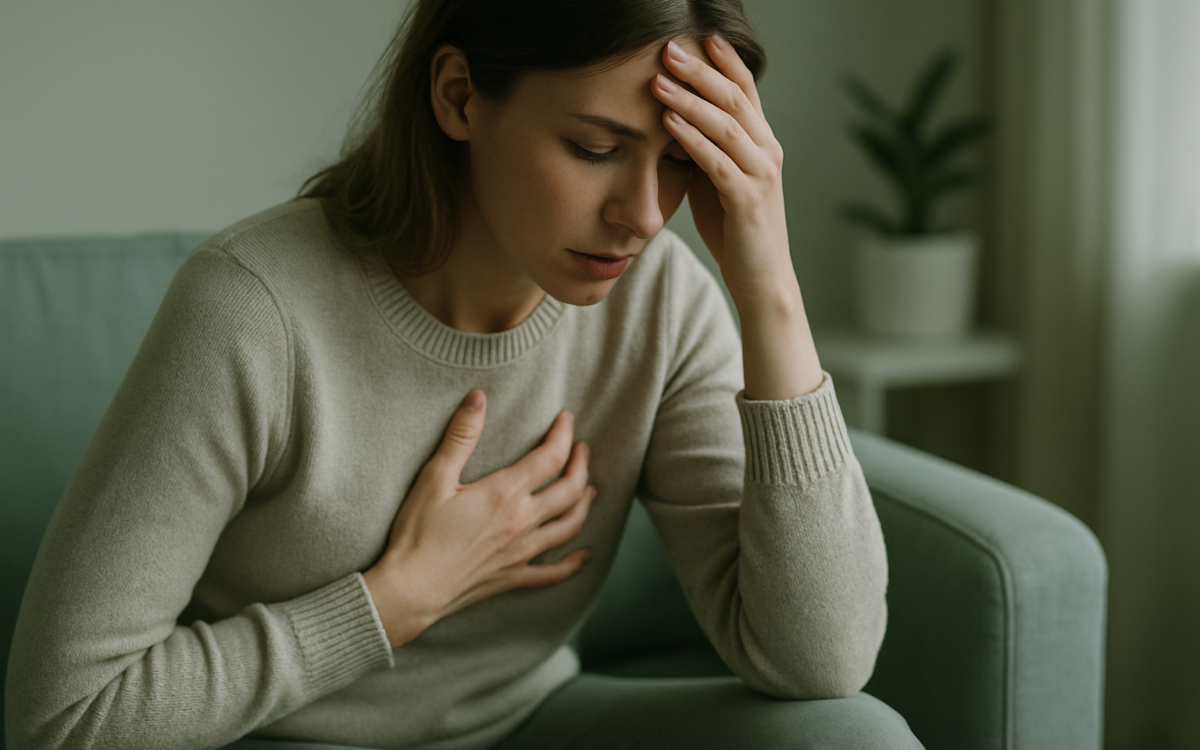
Anxiety is a common emotional response to stress, affecting millions of people around the world. As we navigate through an increasingly complex and fast-paced environment, understanding anxiety symptoms can help us better manage our mental health. This article aims to shed light on the various signs of anxiety, their potential impacts, and when it might be a good idea to seek professional help.
What is Anxiety?
Anxiety is a natural reaction to situations that feel stressful or threatening. It can serve as a protective mechanism alerting us to dangers. However, when feelings of anxiety become persistent or overwhelming, they can interfere with daily activities. The World Health Organization (WHO) highlights that anxiety disorders are among the most common mental health issues worldwide, affecting roughly 1 in 13 people globally (source).
Common Symptoms of Anxiety
Anxiety symptoms can manifest in various ways. Understanding these symptoms is crucial in identifying whether someone might be experiencing anxiety disorders. Here are some of the most common signs:
- Excessive Worrying: One of the hallmark signs of anxiety is excessive worrying about everyday tasks and situations. This can be a persistent feeling that is difficult to control.
- Physical Symptoms: Many individuals report physical symptoms of anxiety, such as increased heart rate, sweating, trembling, muscle tension, and fatigue.
- Restlessness: A sense of restlessness is often accompanied by feelings of being on edge. This can make it hard to relax or concentrate on tasks.
- Sleep Disturbances: Anxiety can also disrupt sleep patterns, leading to insomnia or other sleep-related issues.
- Irritability: Anxiety may cause individuals to feel irritable or easily frustrated, which can impact personal relationships and work.
- Social Withdrawal: Some may find themselves avoiding social gatherings or situations that could trigger anxiety.
Types of Anxiety Disorders
Anxiety is not a singular condition but rather encompasses several disorders, including:
- Generalized Anxiety Disorder (GAD): Characterized by excessive worry about various aspects of life.
- Panic Disorder: Involves sudden onsets of intense fear or discomfort, often accompanied by physical symptoms like palpitations.
- Social Anxiety Disorder: Characterized by a fear of social situations and a significant concern about being judged by others.
- Specific Phobias: Involves an irrational fear of a specific object or situation.
Each of these conditions has its unique set of symptoms and may require different coping strategies.
Impact of Anxiety on Daily Life
Anxiety can significantly affect various aspects of life, from work performance to personal relationships. Individuals suffering from anxiety might struggle with:
- Work Challenges: Difficulty concentrating and completing tasks can hinder job performance.
- Personal Relationships: Anxiety can lead to misunderstandings or frustrations, making it tough to maintain healthy relationships.
- Physical Health: Prolonged anxiety can lead to chronic health issues, including heart disease, digestive problems, and a weakened immune system.
Understanding these impacts is vital for fostering empathy and supporting those who are affected.
Coping Strategies for Managing Anxiety
While symptoms of anxiety can be overwhelming, there are effective strategies to manage and reduce them. Here are several techniques that may help:
- Deep Breathing Exercises: Taking slow, deep breaths can help calm the nervous system and reduce feelings of anxiety.
- Physical Activity: Engaging in regular exercise can boost endorphins, which help elevate mood and reduce stress.
- Healthy Lifestyle Choices: Maintaining a balanced diet, getting adequate sleep, and avoiding excessive caffeine or alcohol can help manage anxiety symptoms.
- Mindfulness and Meditation: Practicing mindfulness or meditation can enhance awareness and promote relaxation.
- Connection with Others: Reaching out to friends, family, or support groups can provide comfort and understanding.
These strategies can be an effective way to cope with anxiety symptoms, but they may not be sufficient for everyone.
When to See a Doctor
If anxiety symptoms are persistent, overwhelming, or affecting your daily life, it may be wise to consult a healthcare professional. Signs that indicate it might be time to seek help include:
- Difficulty functioning in daily activities
- Inability to control worrying
- Persistent feelings of dread or panic
- Physical symptoms that interfere with your quality of life
A healthcare provider can help determine the right treatment, which may include therapy, medication, or a combination of both. It is essential to know that seeking help is a strength, not a weakness.
Conclusion
Understanding anxiety symptoms is the first step in taking control of your mental health. By recognizing the signs and knowing when to ask for help, you can pave the way toward managing anxiety effectively. Remember, you are not alone, and support is available. Whether through professional help or self-care practices, taking action is crucial for living a healthier, more balanced life.
