
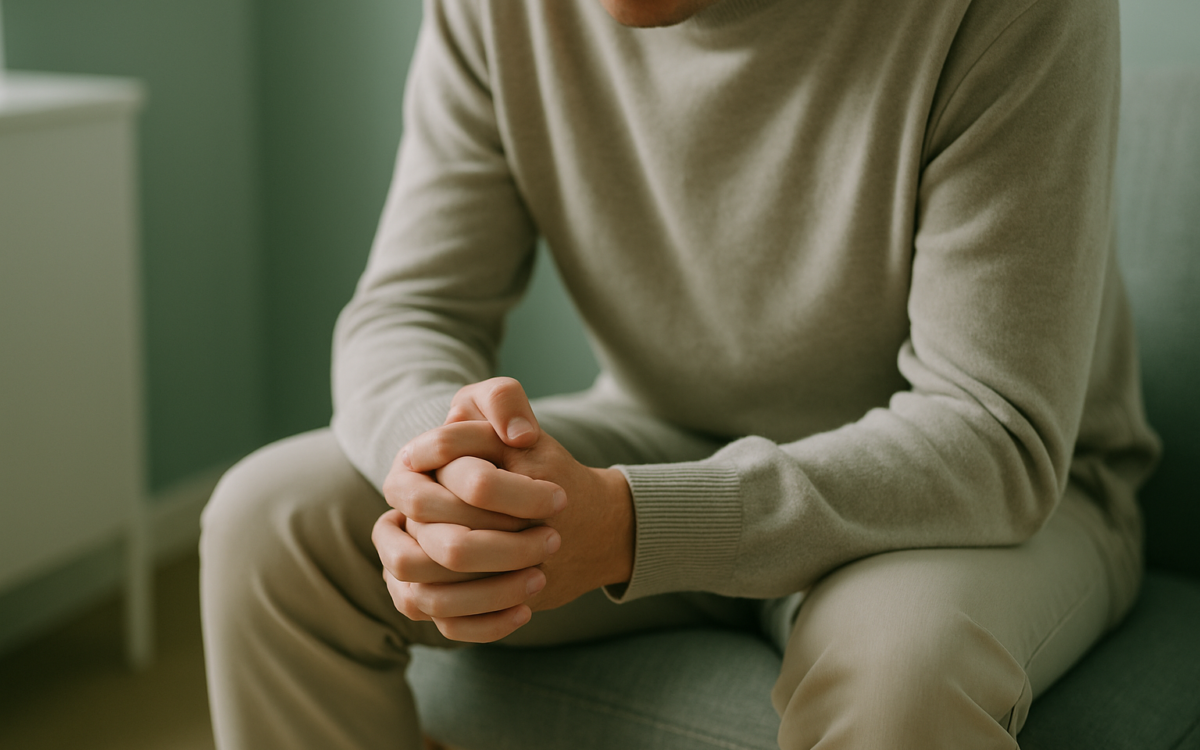
Feeling anxious is a common experience for many people. Whether it’s before a big event, during stressful times, or just as part of life, anxiety can show itself in various forms. But what does it truly mean to be anxious? In this article, we’ll explore the meaning of anxiety, its symptoms, causes, and how it can impact daily life.
What Does Anxious Mean?
At its core, feeling anxious means experiencing a sense of worry, fear, or unease. This feeling can manifest in many ways—some people may feel it physically, while others might experience it mentally. Anxious feelings can arise in response to stressors or may occur without a clear trigger.
Common Symptoms of Anxiety
Anxiety manifests differently in each individual, but some common symptoms include:
- Physical Symptoms: These may include increased heart rate, sweating, trembling, and difficulty breathing.
- Mental Symptoms: Feelings of restlessness, worry, fear, and difficulty concentrating can be prevalent.
- Behavioral Symptoms: Avoidance of certain situations, procrastination, or withdrawing from social interactions are common behaviors linked to anxiety.
According to the National Institute of Mental Health (NIMH), anxiety disorders affect 31.1% of adults in the United States at some point in their lives. This statistic highlights just how prevalent anxiety is in our society.
The Causes of Anxiety
Anxiety can stem from a variety of factors, and understanding its roots can help in addressing it effectively. Here are some key contributors:
- Genetics: Some people may be more predisposed to anxiety due to their family history.
- Brain Chemistry: Imbalances in certain neurotransmitters, which are chemicals that transmit signals in the brain, can contribute to anxiety.
- Environmental Factors: Stressful life events, such as trauma, loss, or major life changes, can trigger anxious feelings.
- Health Conditions: Certain medical conditions, like heart disease or thyroid problems, can cause or worsen anxiety symptoms.
Research from the National Library of Medicine has shown that understanding the causes of anxiety can be crucial for finding effective coping strategies.
Anxiety in Daily Life
Anxiety can significantly impact various aspects of daily life. For instance:
- Work: Anxious feelings may lead to decreased productivity, difficulty concentrating, and even absenteeism.
- Relationships: Anxiety can cause misunderstandings or withdrawal from social situations, which can strain friendships and family ties.
- Health: Chronic anxiety can lead to physical health problems, like migraines or gastrointestinal issues.
Recognizing how anxiety affects you personally can help you take steps towards managing it.
Coping Strategies for Anxiety
While anxiety is a prevalent issue, there are effective coping strategies that can help alleviate symptoms:
- Mindfulness and Relaxation Techniques: Practices such as meditation, deep breathing exercises, and yoga can help calm the mind.
- Physical Activity: Regular exercise is shown to reduce anxiety levels and improve mood.
- Talk About It: Sharing feelings with trusted friends, family, or a mental health professional can provide support and understanding.
- Limit Stimulants: Reducing caffeine and sugar intake can help manage physical symptoms of anxiety.
The World Health Organization emphasizes the importance of addressing anxiety in a positive manner, highlighting that timely intervention can often lead to better outcomes.
When to See a Doctor
If anxious feelings are overwhelming, persistent, or interfere with your daily life, it may be time to talk to a doctor. Professional help is available and can be very effective. Signs that you should seek help include:
- Feeling anxious most days.
- Having difficulty managing daily tasks or responsibilities.
- Experiencing physical symptoms like panic attacks.
- Withdrawing from loved ones and activities you once enjoyed.
Don’t hesitate to consult with a healthcare provider if your level of anxiety becomes unmanageable.
Conclusion
Understanding what it means to feel anxious is the first step towards managing it effectively. While anxiety is a common and often manageable part of life, recognizing its symptoms and causes lays the groundwork for seeking help, implementing coping strategies, and improving overall well-being. Remember, you’re not alone on this journey, and there are resources and support available to help you navigate your anxious feelings.
